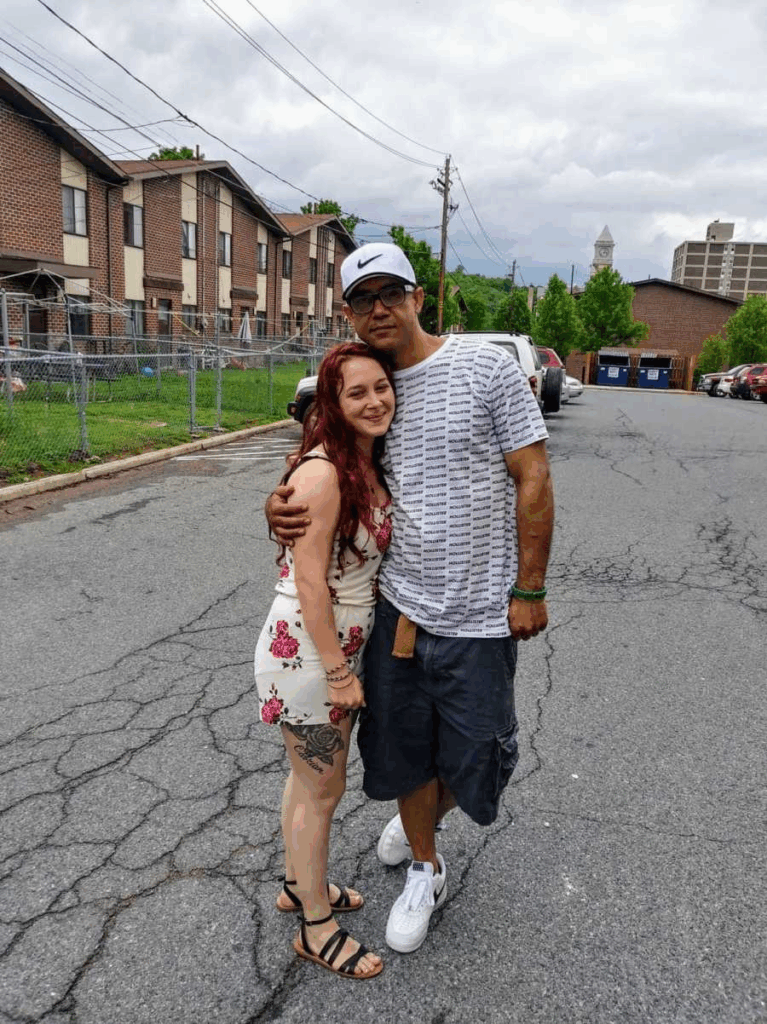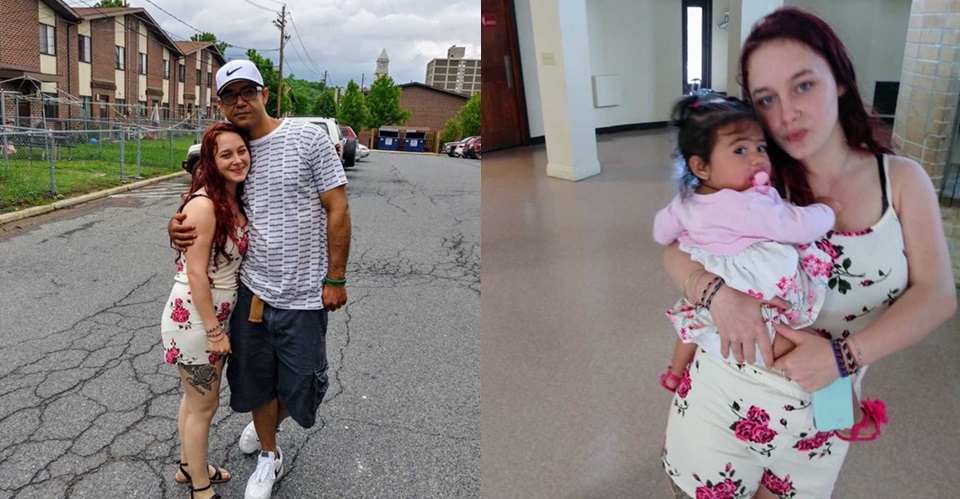
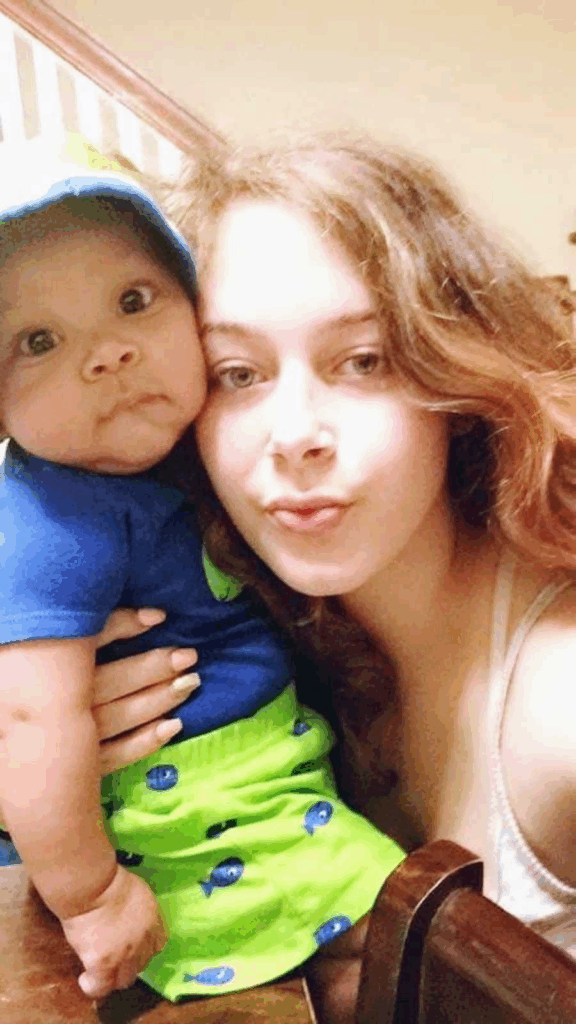
Her name was Brieze. A daughter, a sister, a granddaughter, and most importantly, a mother. To those who knew her best, she wasn’t just the girl with the wide smile and laugh that filled a room; she was the kind of soul who cared deeply, even when her world felt like it was caving in. What she was not, and what her family refuses to let anyone label her as, was a junkie. That word is ugly, sharp, and lazy. It strips away the human being, the dreams, the heart of gold. Brieze had a disease, and it was called addiction.
She was just seventeen when it began to take hold. Seventeen, still technically a kid, figuring out who she was, when life threw obstacles her way that most teenagers never imagine facing. Add substance use disorder to the mix, and suddenly the uphill climb turned into scaling a cliff with no rope. She wanted to get better, she tried to chase her goals and shape her future, but this disease doesn’t negotiate fairly. It whispers false promises, then snatches everything before you know it’s happening.
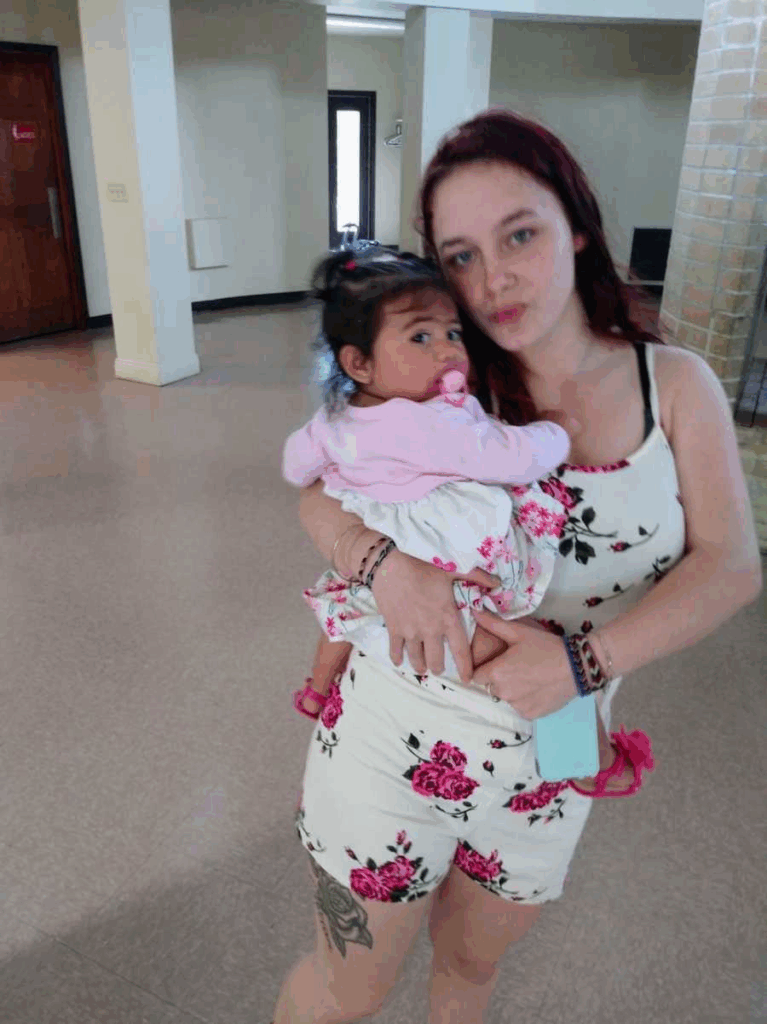
Her parents remember the confusion, the fear, the late nights of wondering what more could have been done. And then there’s the anger, not at her, but at the system around her. Because the truth is, addiction thrives in silence. Society still clings to stigma, still treats people as outcasts rather than humans fighting an illness. Families are left to fight in the shadows, and young people like Brieze are vulnerable. If anything good can come from this, it’s the reminder that communities, schools, and lawmakers must stop pretending this is someone else’s problem.
It is not enough to shake one’s head or throw around blame. Real resources need to exist, treatment must be affordable and accessible, and education has to begin before a young person is handed their first pill at a party. This isn’t about “bad kids” or “weak parents,” it is about an epidemic that claims more lives than car crashes or cancer for Americans under 55. It is about back-alley chemists mixing fentanyl into bags of powder that end up in the hands of people who never stood a chance. Brieze thought she was taking heroin. What she got instead was fentanyl, possibly even carfentanil. One bag. That’s all it took.
Her family aches not just for what happened, but for how the world talks about it. To dismiss someone as just another addict erases the laughter she brought, the prayers she whispered, the way she still managed to love fiercely even in her most challenging moments. Brieze was not heroin, she was not her relapse, she was not her disease. She was a daughter of God, she was a dreamer, she was someone who wanted better and deserved better.
Her death lit a fire under her father, Corey. It wasn’t the kind of grief that makes you retreat forever; it was the kind that demands you fight back. He founded Alive2day, a grassroots drug awareness, prevention, and support organization. Their first Drug Awareness Day was held in August 2018 at Barefield Park in Pottsville, Pennsylvania. He admits he never expected the cause to hit so personally, yet there he was, speaking in his daughter’s memory, turning his pain into action.
Corey believes this is not a “me” problem, but a “we” problem. Communities have to rise together, neighbors have to care, lawmakers have to listen, and people in recovery need to be seen as the experts they are. Without them, policy is just words on paper. The shame-based approach hasn’t worked, and it never will. Real change starts when people stop whispering about addiction like it’s a dirty secret and start talking about it like the public health crisis it is.
If Brieze’s story does anything, let it remind people that the word “junkie” should never be the first label we reach for. Behind that word is someone’s daughter, someone’s best friend, someone’s reason to laugh on a hard day. She was loved. She was human. And she deserved a fighting chance.