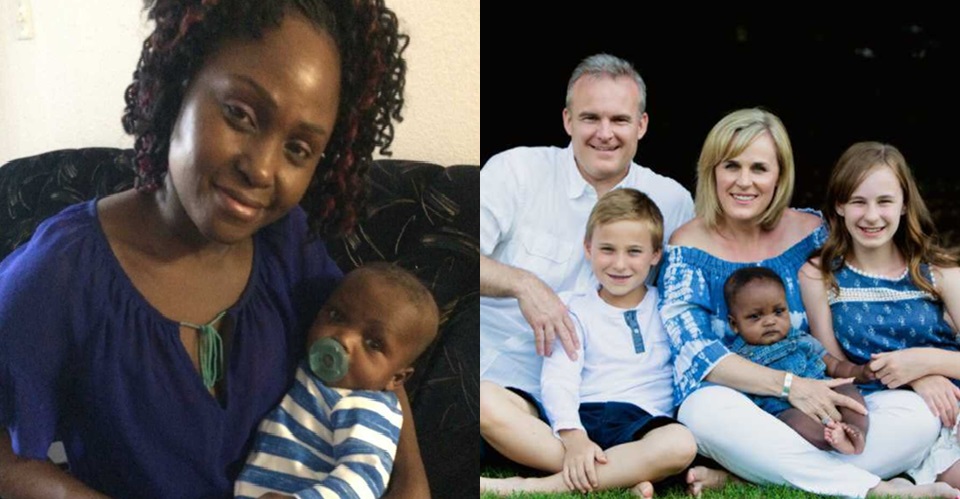
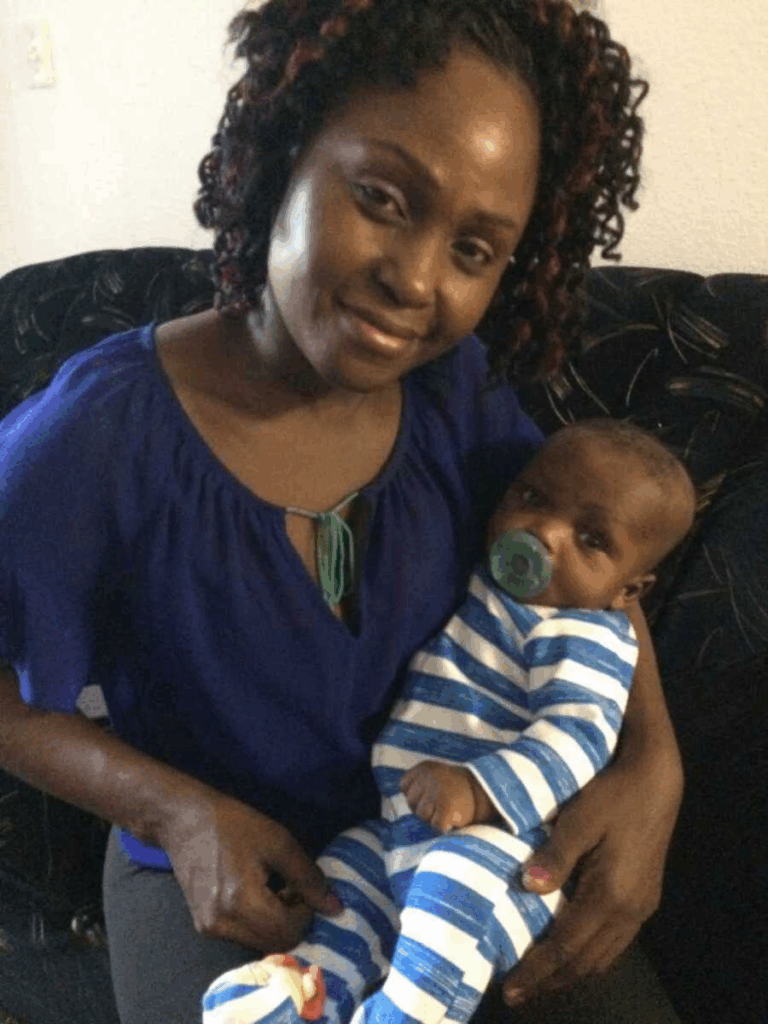
The call came on a cold January morning, and she answered with a rush of nerves and a quiet kind of courage. A caseworker from KVC explained that Bradley, a two-month-old boy with serious medical needs, needed a foster home right away. Without a map or plan, she said yes. When the nurses placed the tiny, fragile baby in her arms, she expected a blank stare, a silence she had been warned about; instead, she met deep brown eyes that opened wide and a grin that broke her heart in the best way.
The nurses wept, and she wept, and the room felt like the place where everything changed. For the next five days, she learned Bradley’s rhythms, cries, sleepy smiles, and the small science of soothing, feeding, and loving a baby who had already seen too much. The work was heavy, but the light in his eyes made heavy things feel possible.
Meeting his mother, Rose, in the KVC lobby felt like stepping into a new chapter neither of them had expected. Rose ran forward and hugged her, whispering thanks, talking about prayers and wanting only safety and love for her child; both women cried at once, two strangers bound by the same fierce love. Rose shared pieces of a hard life, a day that had turned the world upside down while she was at work, the injury that led to Bradley’s removal, and the slow and painful steps required to bring her children home.
Visits began in a tiny meeting room for an hour twice a week. Those small hours were heavy with longing and hope, and they slowly stretched into longer moments at Rose’s apartment, where tea was brewed and stories were swapped. Over cups, diaper changes, and gentle updates about naps and feedings, a friendship grew, stitched together by trust and a mutual wish for what was best for a child.
The reunion was a summer evening that felt like a miracle you could touch, the kind of night that rewrites memory. When Bradley finally went home, both families sat around a table and ate together, the small clatter of plates sounding like a celebration. They prayed in a circle and thanked whatever small mercies had guided them. They swapped stories and learned each other’s rhythms. They shared laughter that felt like repair.
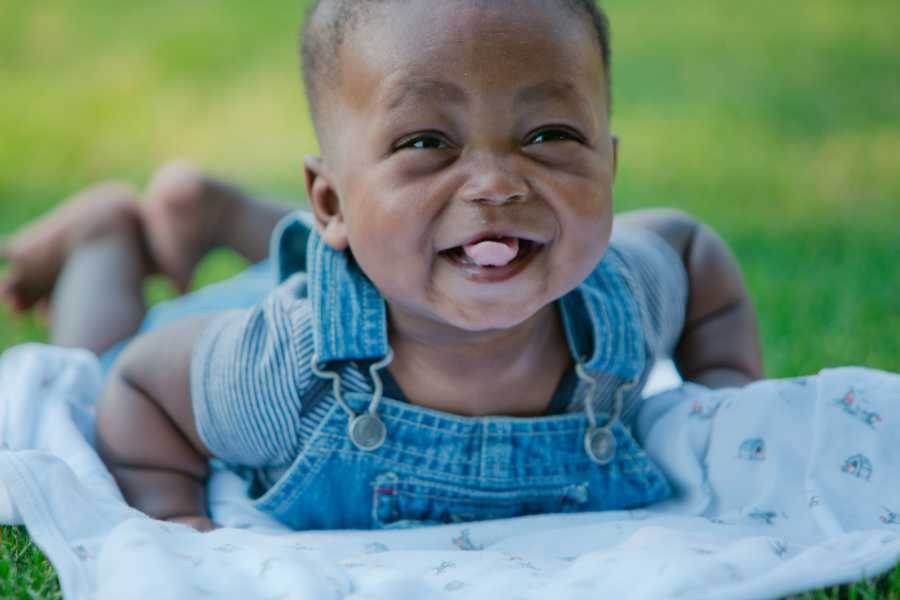
She had cared for Bradley for almost seven months and watched him become a chubby, chatty nineteen-month-old who squealed, kissed, and ran to wherever he pleased. His injuries healed, his steps grew confident, and his laugh wound through their house like a bright ribbon. The child who had arrived quiet and guarded now announced himself with complete, unmissable joy.
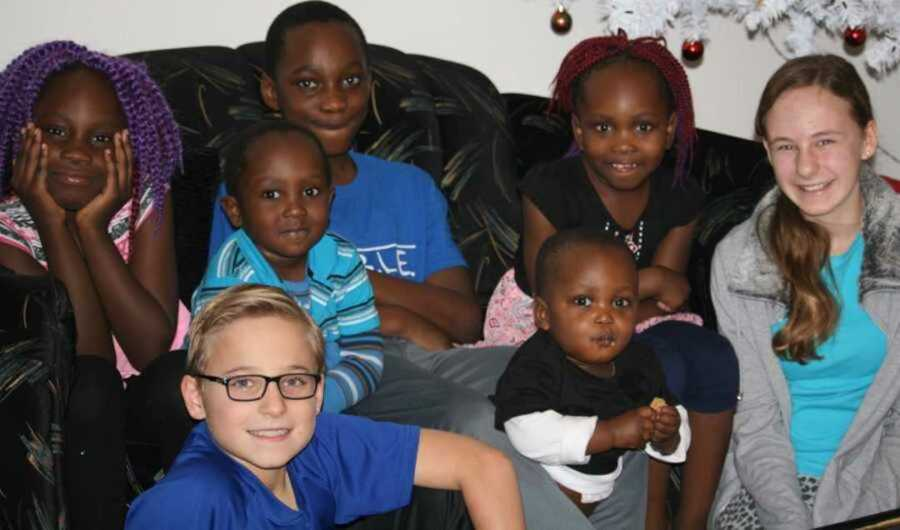
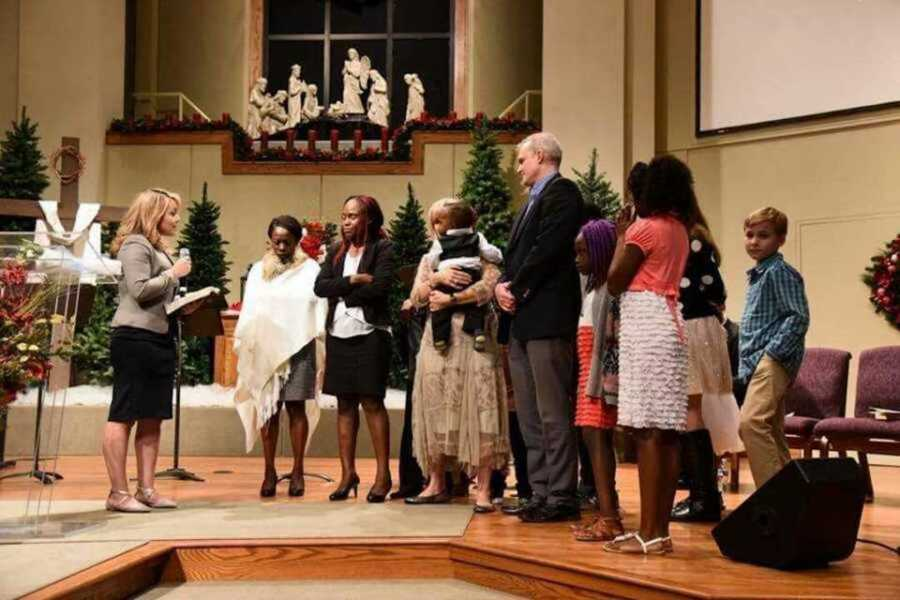
Rose honored her in a way that left her speechless, asking her to be Bradley’s godmother at his dedication, a title that felt too small and somehow perfect. On that day she stood in a circle of family and faith and felt gratitude so big it ached; she saw Rose beam with the kind of contentment that comes after long, honest work. They kept meeting, shared meals and holiday traditions, Rose taught her how to make native Kenyan bread, and once a month, their kids tumbled and played while the two mothers sipped tea and compared notes on life.
Now she cares for Bradley one day a week while Rose attends classes toward a nursing degree, twenty-four hours a week of tiny hands and loud giggles, and the simple joy of being asked to help. Rose calls her a second mama and insists Bradley will always have two mothers, and that fierce, generous confidence has taught her more about courage than any manual ever could. Ultimately, she sees the whole thing as proof that love requires risk, that hearts will be wrung and healed, and that choosing to be vulnerable can change the lives of more people than one would ever imagine.