It is a choice repeated every morning. She will keep moving toward a family made of love and courage, whatever shape it takes. They met in the summer of 2017, a fast, bright love that moved from holidays to shared keys almost overnight. He steadied her through a rough divorce, became her safest place, and together they slipped into the easy rituals of a new couple. In the glow, she missed birth control pills here and there. When nothing happened, they decided to stop the pill and “see.” It felt daring, a little reckless, and very unlike her.

A year passed. She finally called her doctor, apologizing as if she had done something wrong, insisting they were not seriously trying. Underneath, she was bracing herself. Years earlier, a late termination in her teens had spiraled into seizures, hospital stays, and surgeries. The fear that it had cost her future fertility never really left.
Months later, the call came, blunt and cold: no investigations through the public system because her partner already had children. She shook with anger. How could her eligibility depend on who she loved? The shock cracked into a slow slide toward depression. She knew nothing about fertility treatment and imagined a world of sky-high bills and closed doors. Online forums became a map. Strangers pointed her to a clinic for a fertility check.
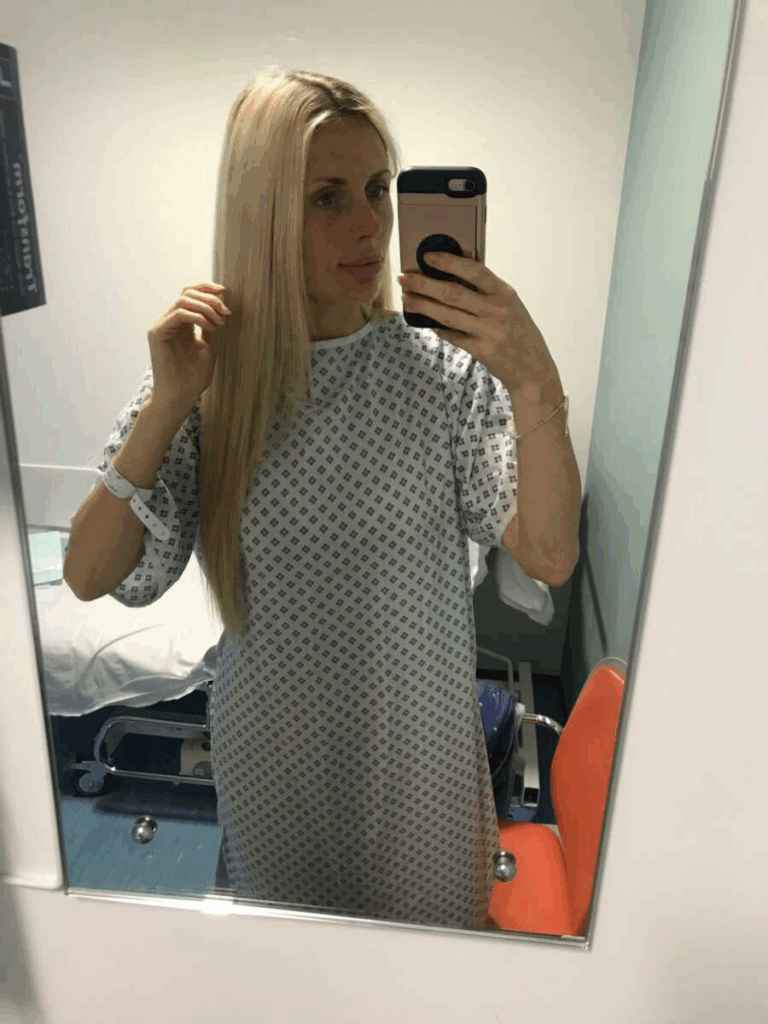
They paid for consults, bloods, scans, and a dye test. Everything came back normal. The clinic advised IVF if there was no pregnancy by Christmas. Strangely, “normal” hurt. If nothing was wrong, there was nothing to fix. So they tried harder. She tracked cycles, temperatures, and tests. They had sex constantly, followed every myth, stacked supplements by the sink. Each month began with hope and ended with a familiar drop. She stopped looking after herself. Friends’ pregnancy announcements stung like betrayal. Infertility grew until it colored every conversation and quiet moment.

They chose IVF. A low-cost London clinic with strong results gave them a plan and a sense of control for the first time in months. They overhauled their habits. She ran. They stopped drinking and smoking. She found a community of “fertility warriors” on social media and felt less alone. The first cycle ended in one small embryo and an early period. Grief arrived before test day. They tried again. This time, they paid for ICSI to improve fertilization odds. A large ovarian cyst appeared on the first scan, and the cycle was canceled. Birth control did not shrink it. By Christmas, it was the size of a lime.
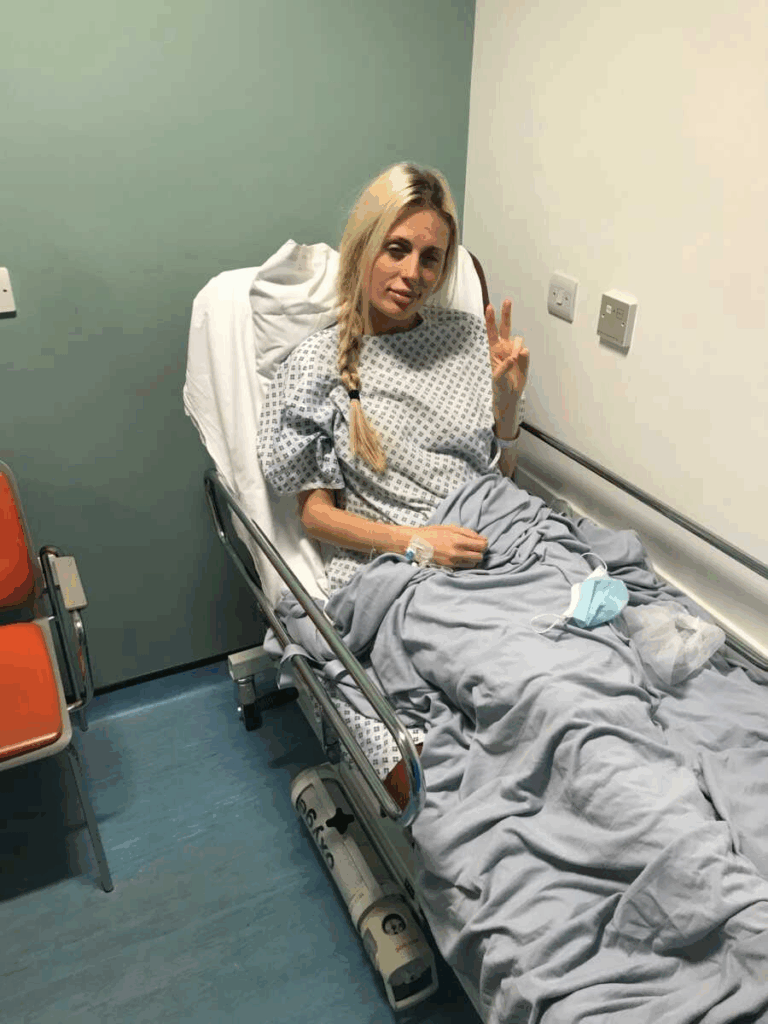
Surgery was the only option, but getting a date was a maze of calls and delays. After seven months, she finally made it to the operating room, terrified but determined. She woke to good news about her ovaries and a shattering addendum: both fallopian tubes were blocked and needed removal. The surgeon tried to explain that IVF would work better without toxic fluid leaking from damaged tubes, but grief drowned every word. She left before discharge papers were ready and cried all the way home. Back at the clinic, they staged a freeze-all cycle to bank embryos before tube removal. In June 2021, they collected and froze four. Then she paid privately to get the surgery done. At last, there were no cysts, blocked tubes, or fluid spill between them, and a chance.
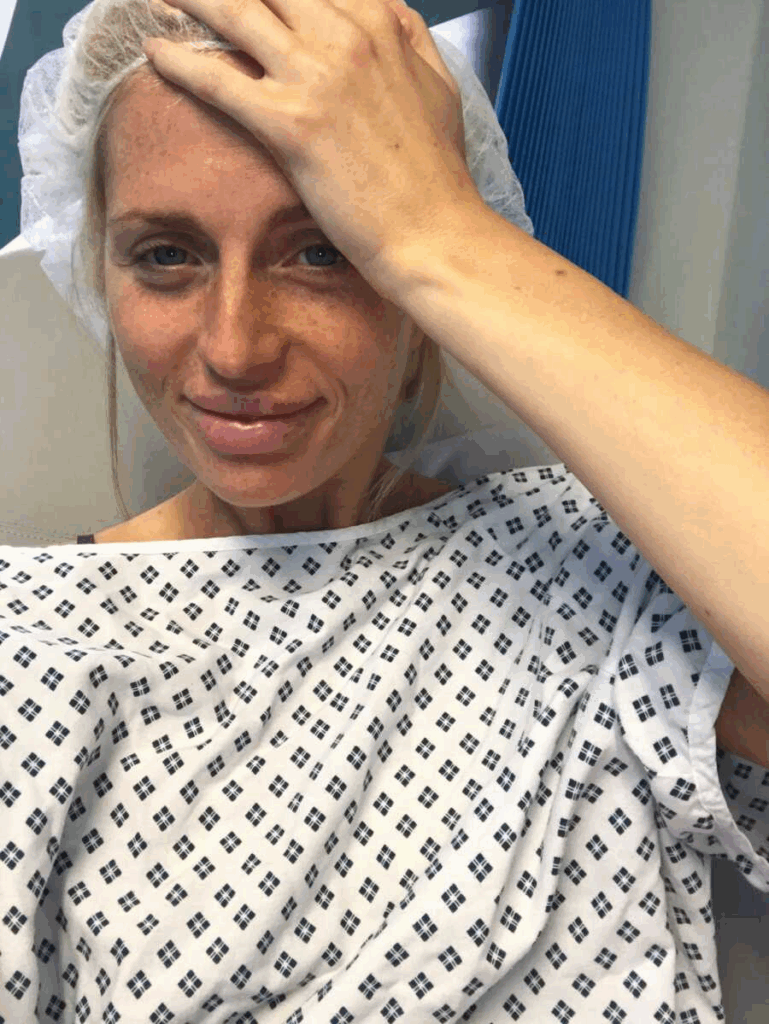
The first frozen transfer in September failed. The clinic advised more tests only after three losses. They began another frozen cycle in November and waited to see if the year would close with a miracle. Along the way she learned how easily IVF is misunderstood. People say just do IVF as if it were a guarantee. Marketing leans on glossy numbers that measure positive tests, not babies born. She found the HFEA regulator’s site more honest and saved the link for others who might wander in feeling as lost as she once did.
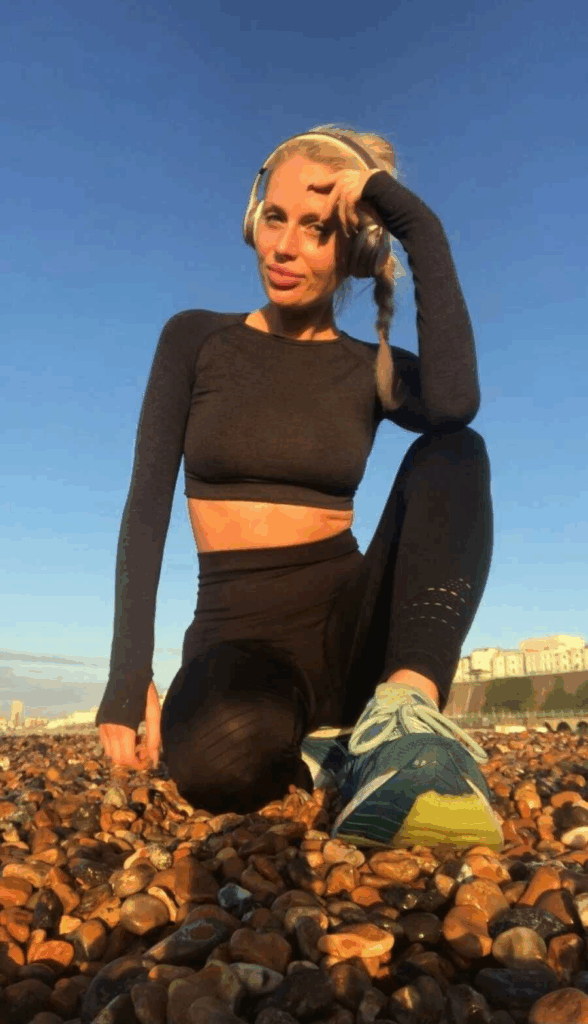
The community kept her afloat. On the hardest days, messages from people who understood the shots, scans, invoices, and invisible ache made the room feel less empty. She wrestled with questions that would never have existed without infertility. Would she be a good mother? Would they have money left to raise a child? Was she chasing time or chasing a dream?
Could they build a life without children if that was the path. The trauma might never vanish, but she noticed she had grown sturdier. On good days she was focused and brave. On bad days she practiced gentleness with herself and tried not to cork the feelings. They have not given up. If one day they choose a different future, she hopes they carry this hard won strength with them. However their family looks in the end, she wants it closer, kinder, and honest about what it took to get there.