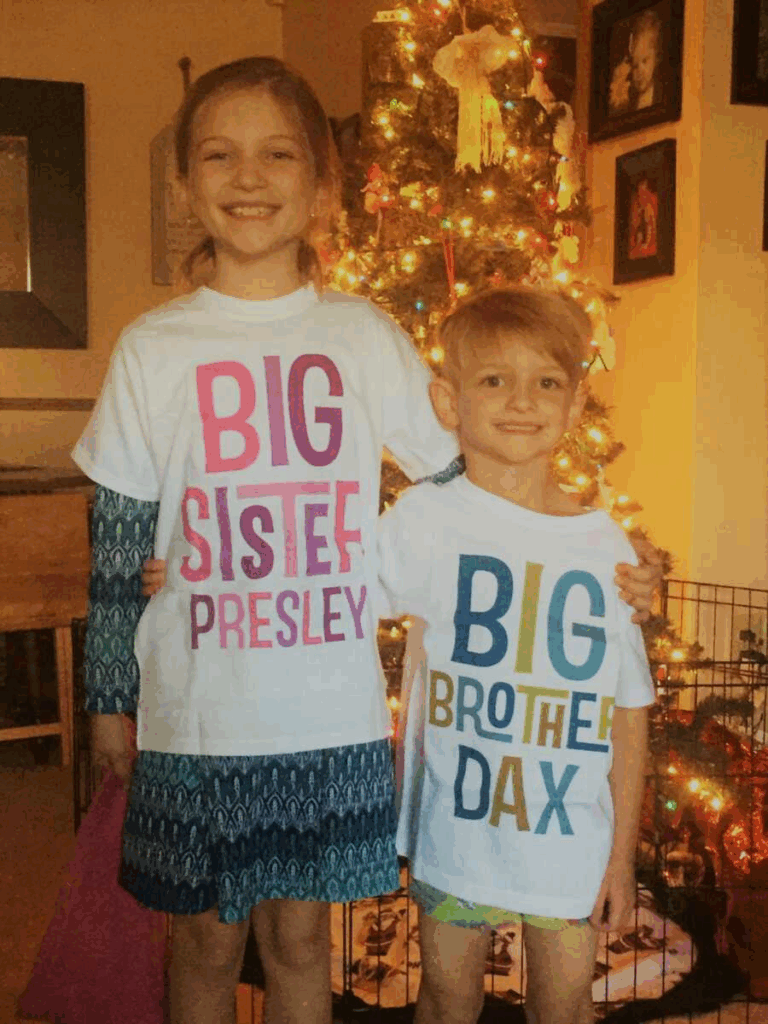
This family will keep choosing courage, and Dallas will keep meeting the odds and walking forward with them. She always pictured a house with four children. She could not explain why, it was just the shape her heart made. After marrying, she and Jeff lost their first baby thirteen months in. The grief was sharp, but their rainbow babies arrived years later: Presley in 2008 and Dax in 2010. The dream of a fourth never left. Jeff worried about the money and time, so they waited. Their whole circle lit up when they finally learned they were expecting in late 2016. With one daughter and one son, they decided to wait until birth to learn the new baby’s gender. Aside from constant morning sickness and a few trips to check on reduced movement, every monitor said the heartbeat was there and they were sent home.
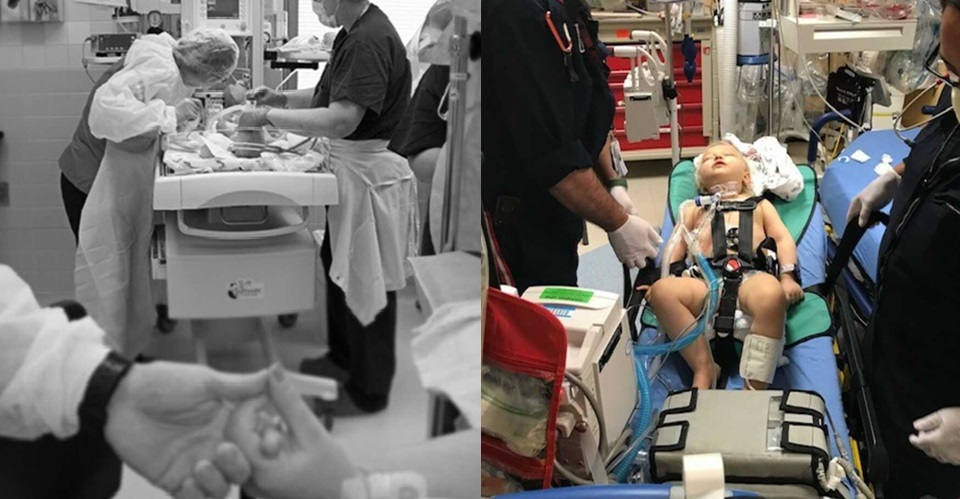
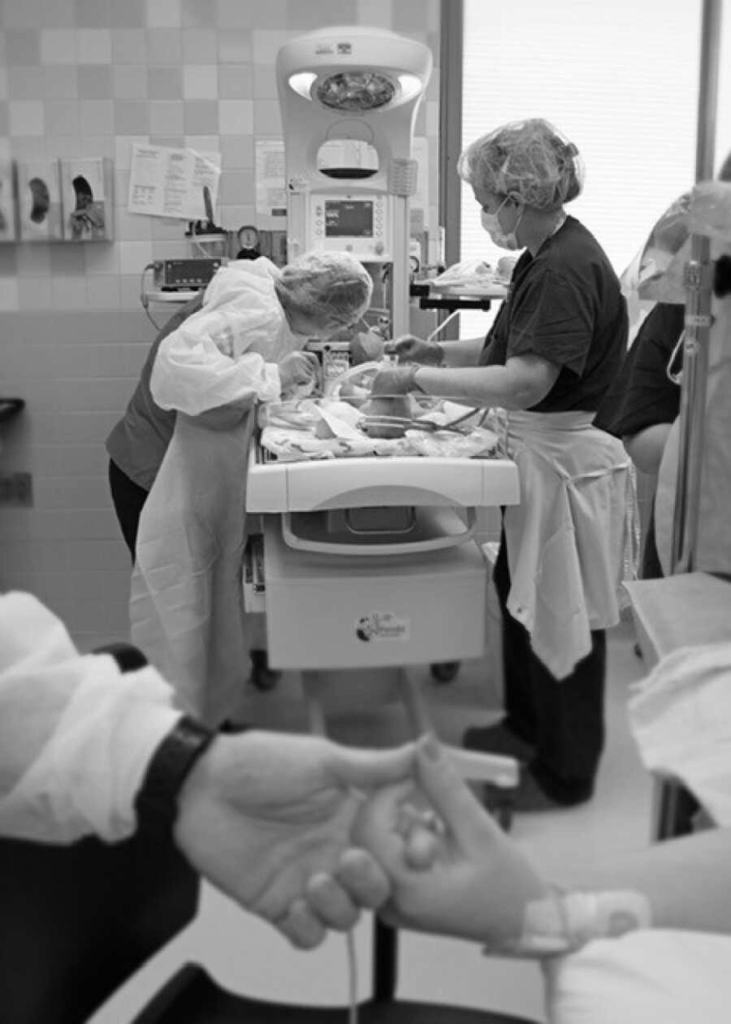
On August 22, 2017, they walked into the hospital excited for a joyful surprise. In the operating room the surprise arrived, but not the one they imagined. Their baby girl did not cry. Nurses worked urgently. A doctor said it was a girl and quickly handed her to the team. They said “sticky lungs” and rushed her to the NICU. X-rays and tests told a much harder truth: one lung collapsed, the other premature and collapsed, a raised diaphragm, and severe pulmonary hypertension. Dallas Jane was intubated, a chest tube placed, an oscillating ventilator started. Doctors said she would not survive. Her mother felt anger more than tears. She demanded everything be done. A chaplain baptized the baby at the bedside. The only chance, they were told, was ECMO, a heart and lung bypass. A machine had opened at a children’s hospital across town. Moving her might kill her, but staying would. They chose to move. She made it, a small victory.
Her mother left the maternity floor twenty-four hours after surgery to be with her. Tubes and lines covered Dallas. Still, they pressed forward. By day six, pulmonary hypertension looked improved, and the team planned to wean her off ECMO. The next morning, everything unraveled. Dallas was bleeding internally, and a clot had formed in a cannula. They had minutes. Her parents said what they needed to say and begged her to stay. She survived three emergency procedures in a row.
A week later, she coded again, swelling with capillary leak syndrome until her eyes were shut and her skin split. She was placed in a medically induced coma. At twenty-three days old, they held her for the first time, a carefully choreographed lift by five clinicians. From there came chylothorax, more chest tubes, a tracheostomy, and a feeding tube. After almost six months inpatient, she came home. People asked if choosing a trach was hard. The answer was simple. It was scary, but gave her a voice, mobility, and a path to a fuller life.

Dallas turned four, having spent about half her life in the hospital. She has faced a long list of conditions: chronic respiratory failure, vision issues, fragile enamel, mobility delays, immune problems, thyroid disease requiring removal, a port, epilepsy, PTSD, anxiety, hypertension, dysautonomia, and more. Genetic testing has not found a clear cause. They call her a unicorn. Second opinions are hard because she needs medical transport, and the pandemic closed doors when they needed them most. In 2020 she spent two hundred days inpatient; in 2021, one hundred forty-five. Rules that allowed only one parent at a time were brutally complex when she was close to dying.
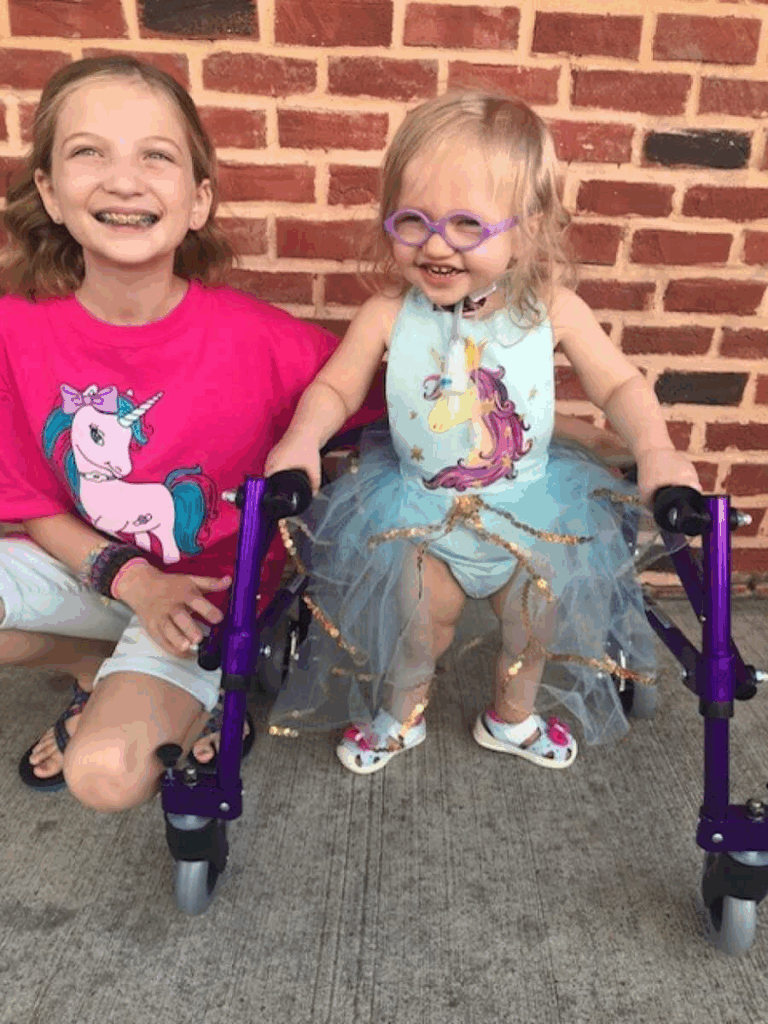
Her seizures are the fiercest fight. Some last seconds, others more than an hour. Often, she stops breathing at the start. They bag through her trach with high flow oxygen until her color returns. Her oxygen has dropped to two percent. Her doctors warn of a high risk of sudden death from epilepsy. Although she is approved for round-the-clock nursing, there are not enough skilled nurses, so the family learned to do everything. The older siblings helped breathe for their sister and then went to school. They have seen more than most adults ever will, and they have become kind and steady because of it.

Life changed completely. One parent had to quit work to bring her home safely. Friend circles faded as the years went on, and isolation grew. The mother’s identity shifted into nurse, therapist, and advocate. Dallas is immunocompromised, so outings are rare. They lean on online communities of parents who understand trachs, tube feeds, and seizures. Those connections keep them going. Even with the losses, there is no missing the miracle. Dallas is small but fierce. She breaks limits again and again. Her parents will never stop advocating. She is the final piece that makes them five and has taught them a new way to measure hope.