Diana Register never cared much for big romantic gestures. Her husband, Chad, wasn’t that kind of man anyway. He wasn’t about grand surprises or showy declarations but about real life. He loved backyard barbeques, late-night guitar strumming, the chaos of school assemblies, the sound of his kids laughing, and the smell of dinner cooking on a Sunday night. He was a man who found joy in the ordinary, and that was what Diana loved most about him.
Before they ever got engaged, she already knew he was the one. It wasn’t something she questioned or overthought; it was a quiet knowing that sits deep in your bones. They had talked about marriage plenty of times, but she didn’t want to be the one to pick the ring. For her, it was never about the sparkle or the size. It was about what the ring meant, the story it would hold, the kind of love it would symbolize.
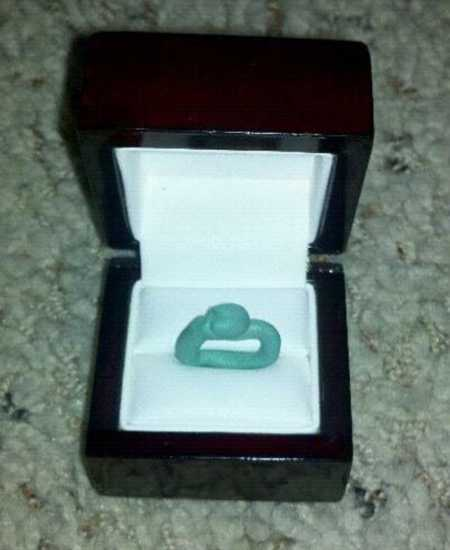
One November evening, Chad did something completely unexpected while sitting on the floor cleaning up after the kids, surrounded by toys, crayons, and scattered bits of Play-Doh. He was kneeling beside her, sorting through the mess, when he suddenly paused, smiled softly, and held something out. It wasn’t gold or silver. It wasn’t wrapped in velvet or shining under candlelight. It was Play-Doh, shaped into a ring. Diana saw everything she ever wanted in that small, imperfect circle of clay. Her breath caught, her heart raced, and she knew this was it. Right in the middle of a messy living room, with toys piled around them and life happening all at once, he asked her to share that life forever. It wasn’t the kind of proposal anyone would see in a movie, but for her, it was perfect.
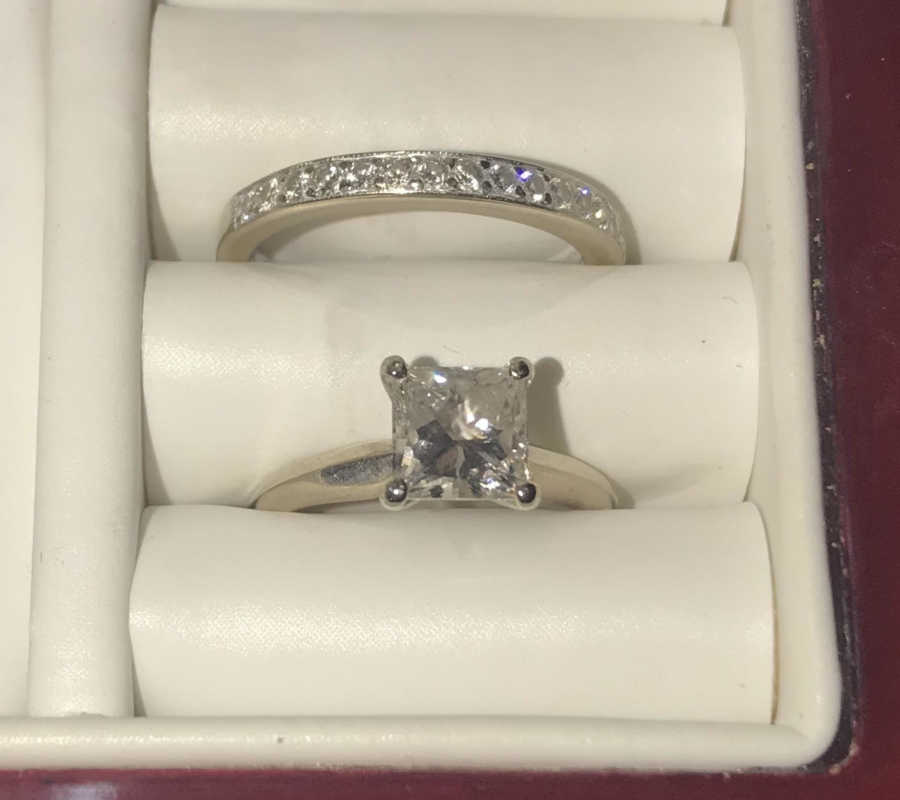
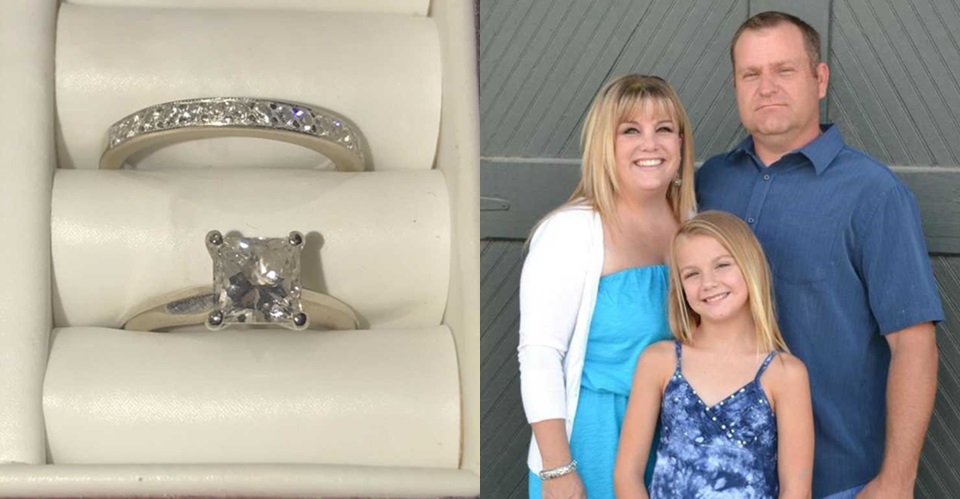
Later, he replaced the Play-Doh with a real engagement ring that sparkled and lasted. But in Diana’s heart, that first ring told the truest story. That Play-Doh ring carried laughter, chaos, and the reality of what love really looks like: imperfect, unpredictable, and completely human. She wore her real ring through everything—dishes, long days and sleepless nights, years of raising kids and weathering life’s storms. It became a part of her, a reminder that love doesn’t stay shiny; it lives and breathes and sometimes gets dirty. When her husband was diagnosed with pancreatic cancer, the ring stayed on. It stayed through hospital visits and sleepless nights, through grief and fear and hope that never gave up.
When he passed away, Diana didn’t want to take it off. She didn’t want to let go of being his wife. Fifteen years wasn’t nearly enough. They had planned to grow old together, to share their stories with grandkids, to laugh about the silly things they once fought over. But life doesn’t always honor the plans we make. One afternoon, a year after his passing, Diana was washing dishes when the ring that had never once budged slipped off her finger. It hit the sink with a sound that stopped her heart. She tried to put it back on, but it wouldn’t fit. No matter how hard she pushed, it refused to slide past her knuckle. It was as if something, or someone, was telling her it was time.
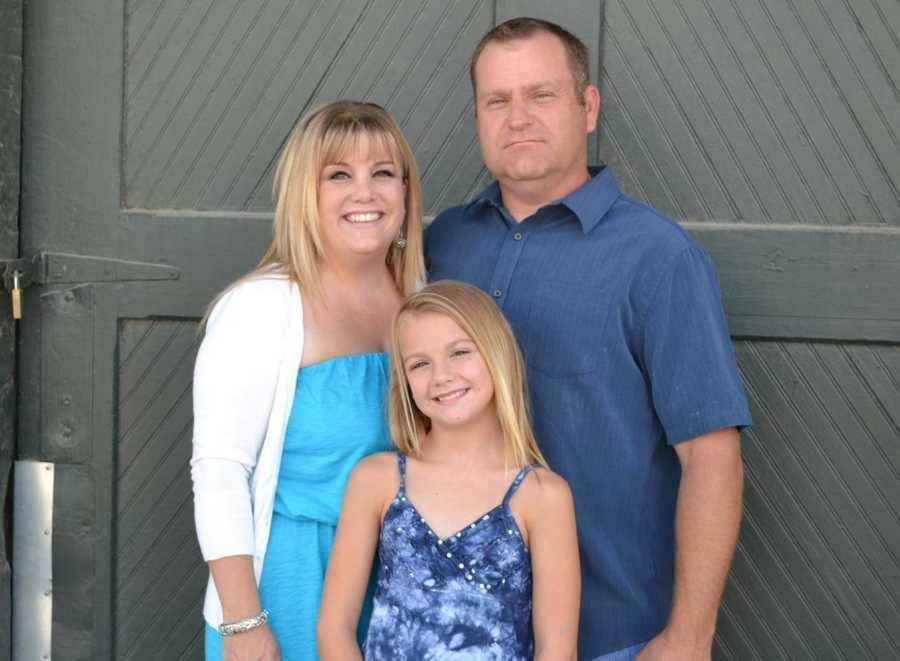
In that small, strange moment, she understood. It wasn’t about forgetting him or replacing him. It was about moving forward. It was about living the life they had dreamed of, even if she had to do it alone. She could almost feel him there, quietly telling her to keep going, to find joy again, to let her heart keep beating for both of them.
Grief is never neat. It’s messy and unpredictable, like a pile of toys on a living room floor. But Diana learned that love doesn’t disappear with loss. It changes shape, like Play-Doh molded by time and memory. Sometimes it looks like laughter through tears, sometimes like a ring slipping from a finger, and sometimes it feels like permission to start living again. When she thinks of that day, she still sees him kneeling on the floor, holding out that small, colorful ring. And she knows that real love is not about diamonds, ceremonies, or forever promises. It’s about showing up, even in the mess, and choosing each other anyway.