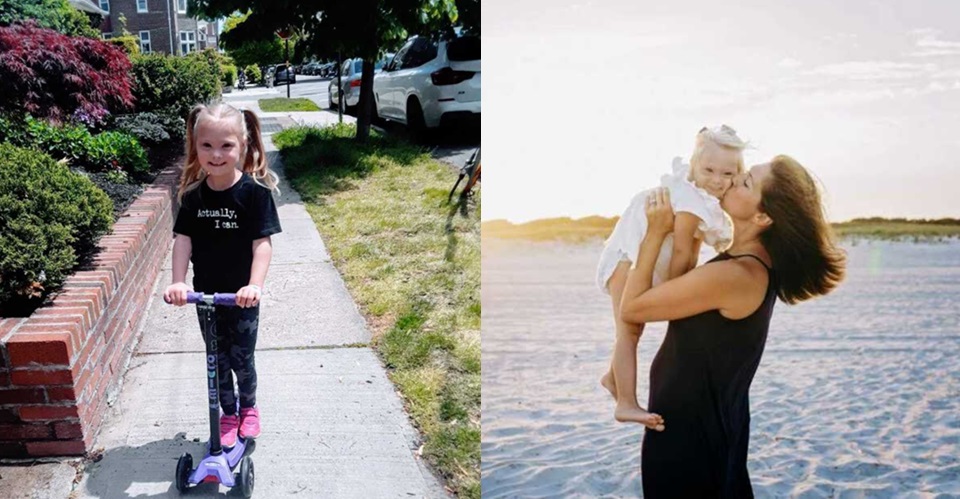
Ultimately, what saved them was simple: one small girl, a crowd of good kids, and the shared understanding that belonging is the best medicine. Francesca arrived on a windy February night six years ago. When her mother first held her, she stared into a pair of bright, unusual blue eyes with glints of light that seemed to shift. They were so striking that they stole her breath. In that instant, she understood her baby had Down syndrome. Fear rushed in. Every grim picture she had ever heard about the condition crowded her mind: delays, exclusion, dependence, slow progress, disappointment. The future she had imagined for a fiercely independent daughter felt shattered.
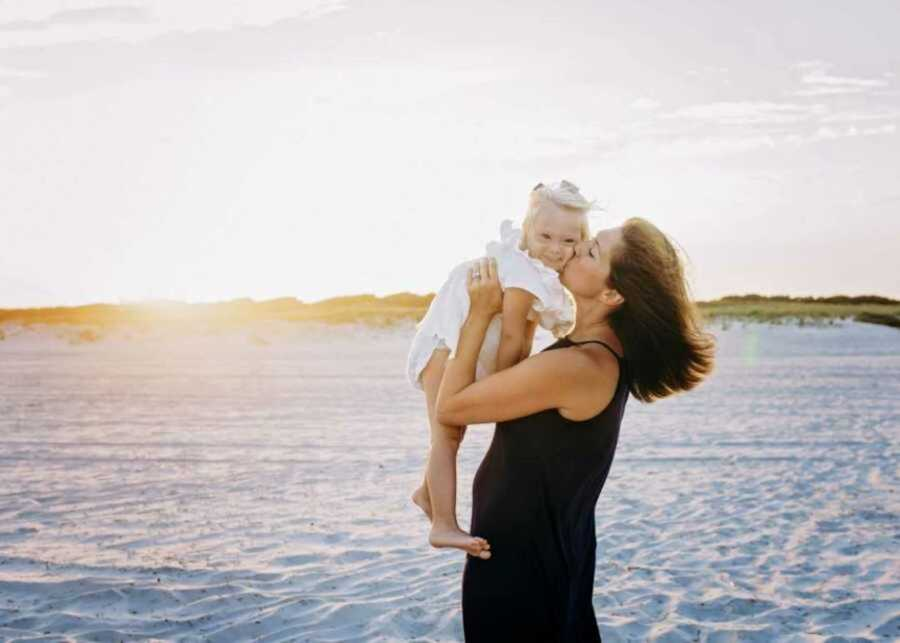
The family was asked to go home the next day. They were fresh from a move back to New York after years in London, finally renting a small house outside the city. After a long struggle with infertility, this baby was supposed to be the joyful finale, the piece that made the family feel complete. There was a plan for everything: the five-year-old son, Tristan, would start at a new school right after winter break; boxes would be unpacked; life would click into place. Frankie’s diagnosis was the one thing that was not on the list.
Once her husband and son settled into work and school, the mother faced a steep climb of medical appointments, therapy sessions, and learning how to care for a baby whose needs felt unfamiliar. In quiet moments, she broke down on the stairs, crying in her robe through nap time, convinced life had dealt an unfair hand. Her own mother came to steady her. You can do this, she said. We will do this. The days were long in a new house with no friends, no cable, and a winter sky pressed against the windows. She tried to breastfeed a baby with low muscle tone while the soft background music of Tristan’s game hummed on. And then, almost against her expectations, small good things began to pile up. Frankie was gentle, responsive, and started hitting milestones faster than anyone predicted. As the cold thinned and spring warmed the rooms, an easy love took over, and hope returned.
One June afternoon, a breeze lifted the curtains, and the sounds of children floated in from the alley behind the house. Tristan heard them and bolted for the back door. Outside, he found boys his age and a soccer ball. He slipped into their game as if he had always belonged. His mother, holding Frankie, stood back and wondered about the years ahead. Would her daughter ever race out the door like this? Would friendship come easily to her, too? That summer, more families drifted into the alley. Soon, there were about ten boys who played there every day.
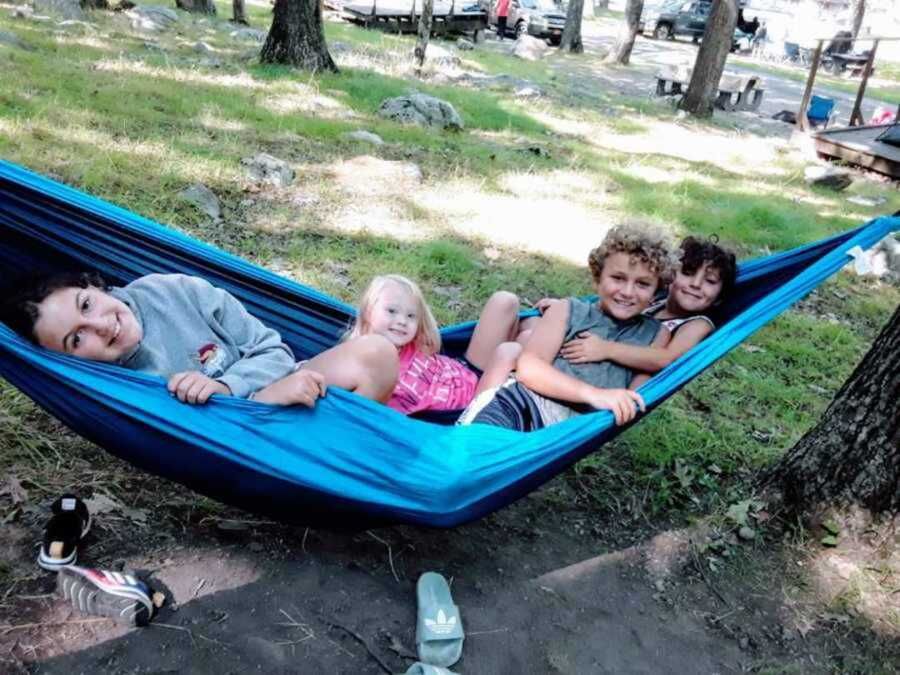
They called themselves the Alley Gang. The mother cannot even remember exactly when she told neighbors about Frankie’s diagnosis, or if she did at all. The boys surely noticed as the children grew and Frankie’s differences became more visible. But nothing changed where it mattered. She was almost the youngest, the only girl, yet she fit. On beach days, barbecues, birthday parties, Halloweens, and camping trips, she was always right in the middle of it; she was mischievous, hilarious, and tireless. She did not think of herself as anything but one of them.
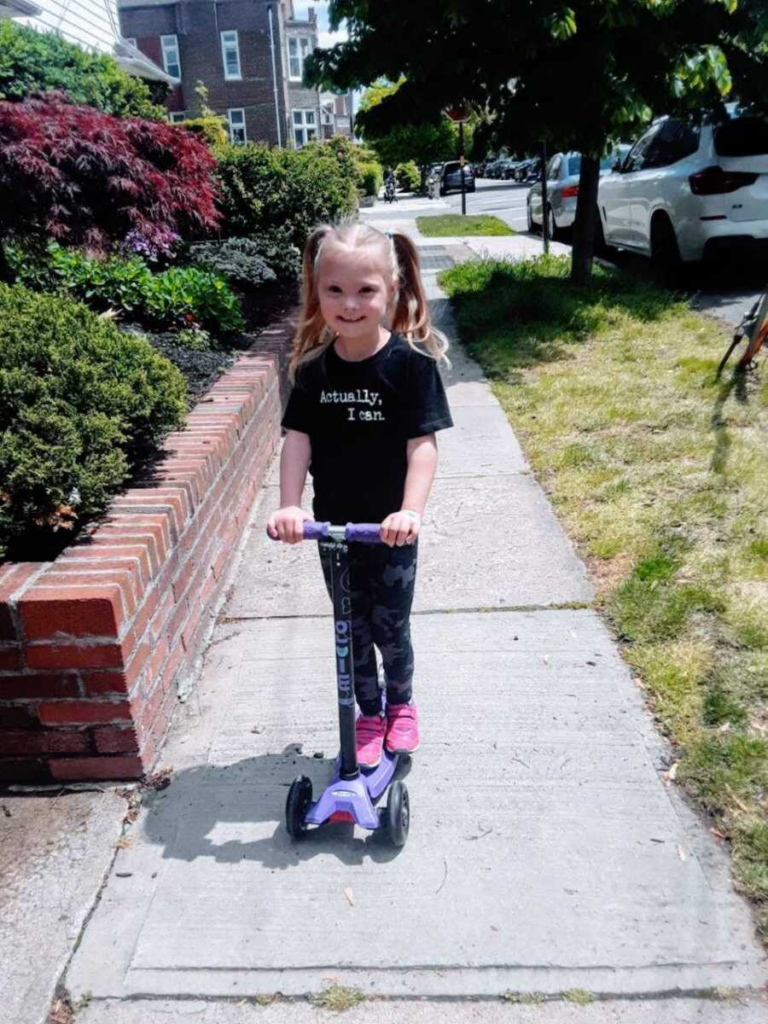
Of course, there were moments when she spoiled a hiding spot during the Manhunt, and groans went up. But more often, there were cheers, high fives, and spontaneous hugs. At school, the boys would report funny things she had said. At home, she would grab their hands and drag them inside to show off her treasures. She craved their attention, and they gave it freely. Looking back, the mother sees how wrong her first fears were. Yes, there are therapies, speech delays, and tougher days at school. But a living net of care has grown around her daughter, as sturdy as a tall fence. The boys have become her protectors and friends. They learned early that different does not mean less, and that kindness is not a favor but a way to live. She is the little sister of the neighborhood, loved with the easy warmth of family.