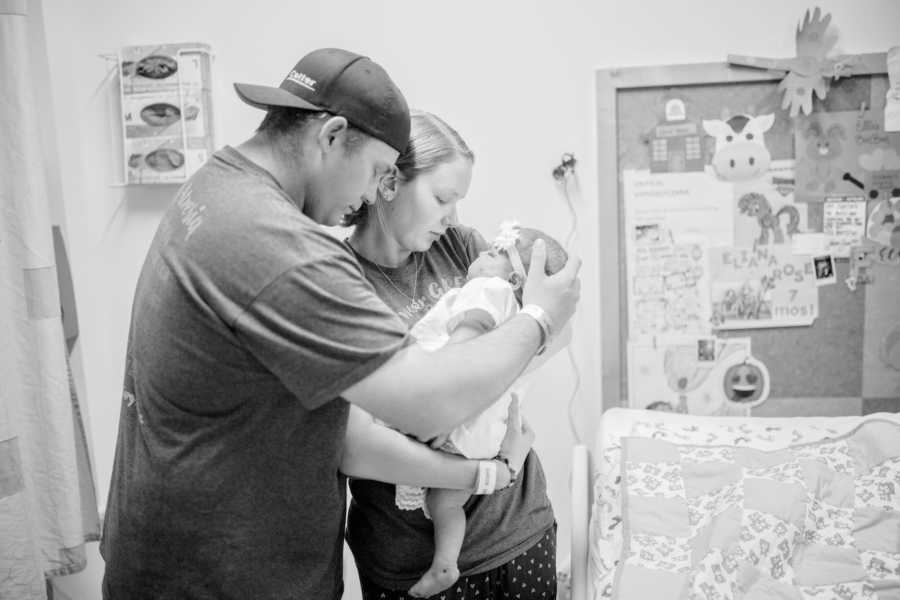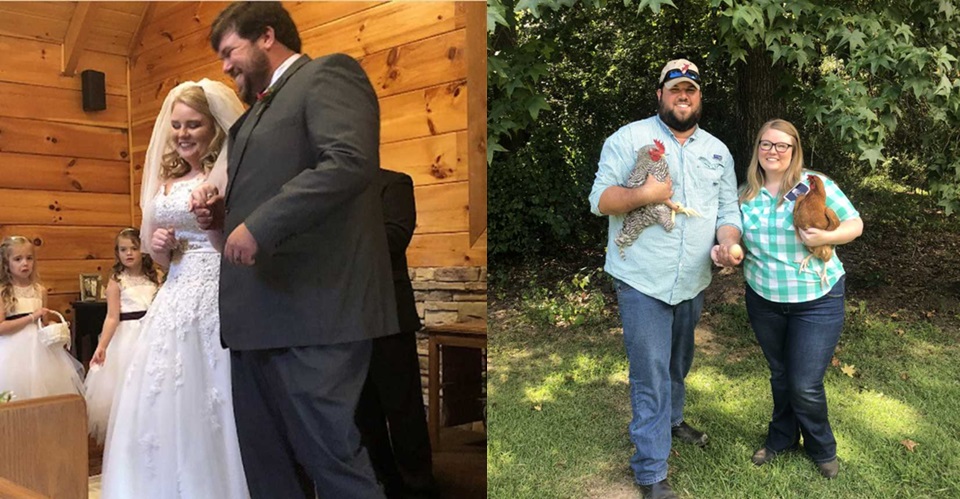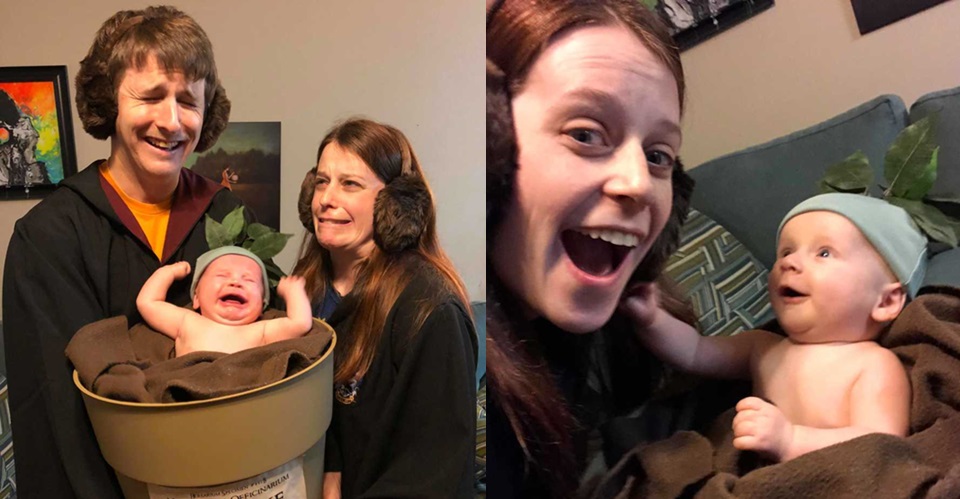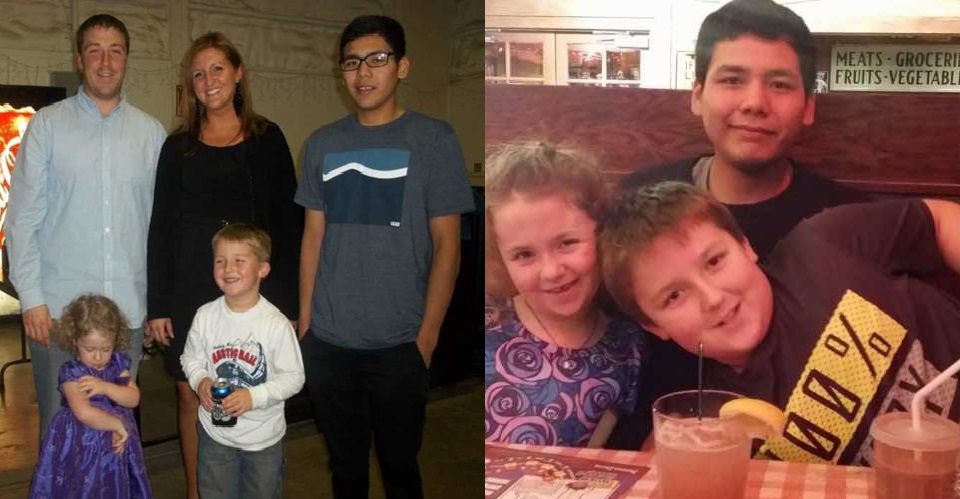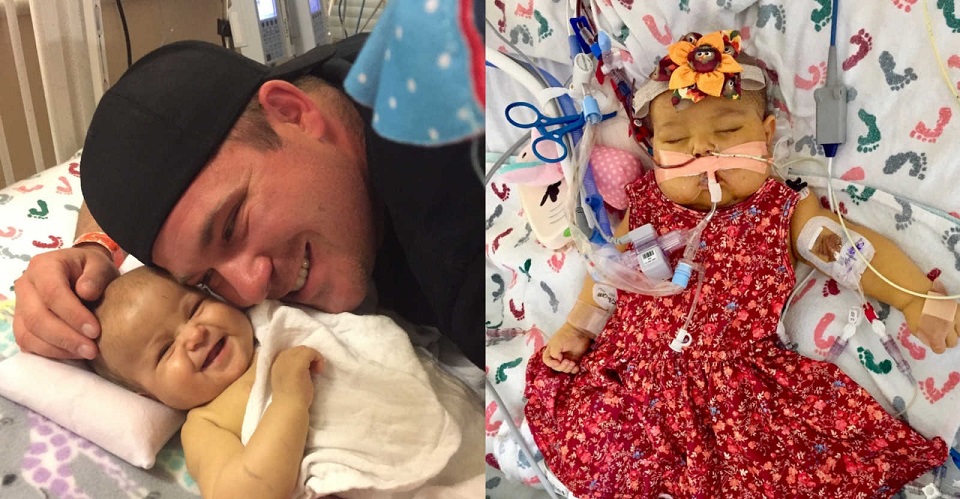
From the moment their daughter was born, sweet and small, they felt hope. Her name was Eliana Rose, born on Valentine’s Day 2018. They thought that love and a new life would bring joy and light into their family. She was calm and seemed healthy at first, nursing well, sleeping softly, stealing their hearts.
However, after indications arose that there was an issue. Eliana became quite jaundiced. Her bowel movements remained light-colored. They remained watchful. Her bilirubin readings appeared normal. Something felt off. At seven weeks of age, they brought her in for a precautionary examination. That visit altered everything.
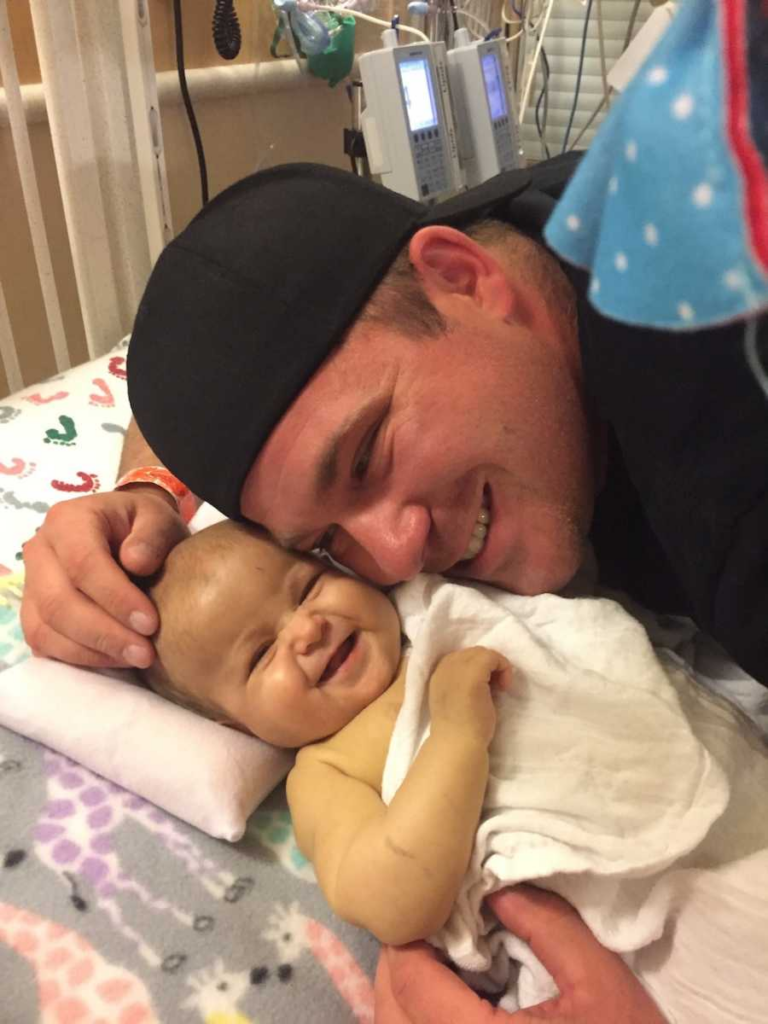
Doctors noticed that her spleen felt enlarged. That led to an ultrasound, which revealed shocking news: her liver and spleen were enlarged, and she had no gallbladder. That raised serious concerns. Tests began. At seven weeks old, their tiny baby underwent a biopsy to help doctors understand what was happening. The diagnosis was shattering: she was diagnosed with Biliary Atresia, a liver disorder where the biliary system malfunctions due to absent or obstructed bile ducts. It is an illness for any youngster.
At eight weeks old, Eliana had her first big surgery, called a “Kasai.” It’s a delicate procedure: doctors remove the non-functioning gallbladder and try to reconnect the bile system so that bile can flow properly. It often helps, but only about one in three children gets lasting benefit. They held on to hope as she healed and came home. They started special feedings to help her body absorb nutrients because so much was wrong.
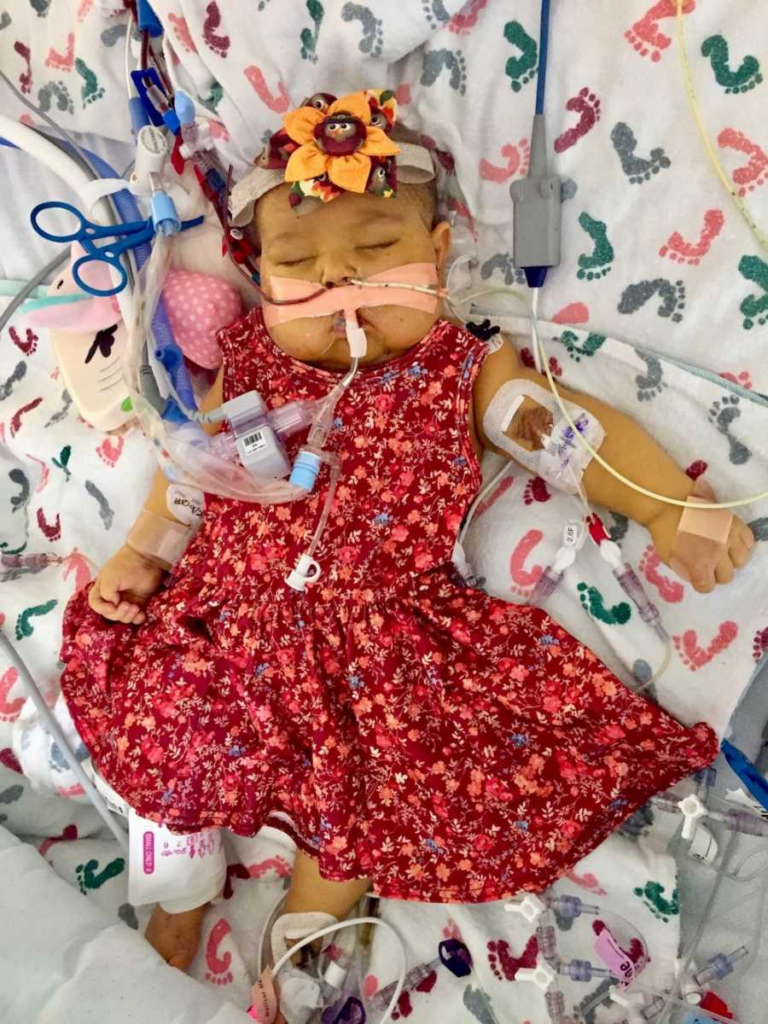
They prayed they wished they could embrace one another. Each day was a battle with fear against the clock against sorrow. Despite their wishes, by the time she reached five months, it was evident the Kasais had lost the struggle. Her liver was declining. The doctors assessed her for a liver transplant. They initiated an agonizing sequence of consultations, examinations, and anticipation.
As if that wasn’t sufficient, a severe heart abnormality appeared, well, Coarctation of the Aorta, necessitating an additional major operation. They felt overwhelmed, drained, yet resolute. They trusted in miracles. They trusted in their daughter’s resilience.
At last, following evaluations and a period of anticipation, a living donor stepped up. A generous adult agreed to donate part of their liver to Eliana. Their eyes filled with hope and relief. They believed that perhaps their child had a possibility. The donor received approval. Preparations for the transplant began. They allowed themselves to hope.
But then it all collapsed. Their hope disappeared. On the way to another doctor’s visit, Eliana became very ill. She spiked a fever after receiving a blood transfusion. Soon, she needed to be intubated because the pain was so severe, and her body couldn’t keep up. Her liver and kidneys failed. She suffered from brain bleeds and strokes. The doctors did everything they could, but sometimes even love and medicine aren’t enough.

On the morning of October 5, 2018, they made the hardest decision: to withdraw life support. As she watched and held her baby, tears poured not just from her eyes, but from a place deeper than pain, a place of heartbreak, grief, disbelief. She remembers whispering, “she can’t. she can’t,” because the hurt was too much to put into words. When the doctor said there was nothing more to do, they knew the suffering was over, but the loss was final; she felt a strange mixture of grief and relief. Relieved that their little girl would no longer hurt. Grief that she was gone forever.
Every time she thinks of Eliana Rose now, it pains her. She longed for the infant she held, for the hope they cherished, for the future they envisioned. Yet she also wishes to tell her story because she gained knowledge she hadn’t had prior. She discovered the brutality of illnesses, the tough truth that occasionally love and nurture fall short. She understood the importance of organ donation, the strength of compassion, and the generosity of a stranger ready to assist. She discovered that they are not isolated and others might experience suffering.
If you read this, please know you are not alone. If you can, consider being a living donor. You might give a child a chance. And if you’ve lost someone like they lost Eliana, let the love you still feel honor their memory. Let the sharing of their story bring awareness. Because babies like her deserve that much, their hearts will forever carry her. And they choose to remember her not just in their tears, but in hope, in advocacy, in love.