She grew up with a mother who never gave her the love and care every child deserves. She didn’t ask for pain. She didn’t ask to cry herself to sleep night after night. But that was her life. Her mom was verbally cruel and emotionally distant. She didn’t comfort her when she was scared. Instead of soothing her fears, she told her to be quiet and “go back to sleep.” She learned early on that she would face many fears by herself.
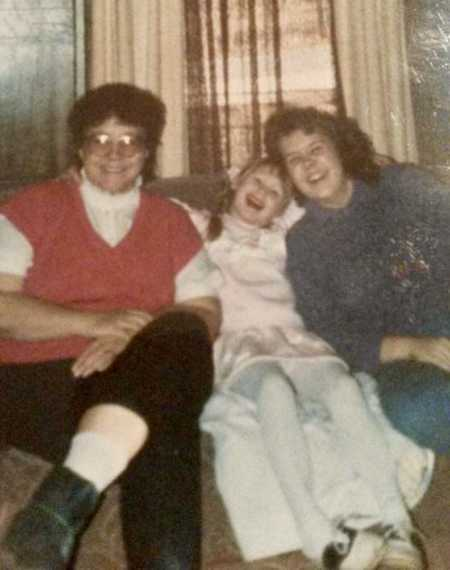
At school, the bullying didn’t stop. Other kids called her names and made her feel worthless. When she went home, she couldn’t find peace there either. Her mother’s words cut deeper than any bully’s. She often told her she was “good for nothing.” She made her feel small and unimportant. She knew what it felt like to hope someone might care, and then feel crushed when they didn’t
Things didn’t always stay the same. As she grew older, she started to find ways to heal. A music teacher, who cared about her more than she expected, said something she’ll never forget: she told her she was smart and could do things well. That was the first time in a long while that someone believed in her. The walls she built around herself began to crack just a bit.
As she became an adult, she learned to understand more about why her mom was the way she was. She took classes called “Making Peace with Your Past.” They helped her see that even though her actions hurt her, she could learn and grow from her experiences. She learned that forgiveness doesn’t mean the bad things were okay. Forgiveness means choosing not to stay angry forever.
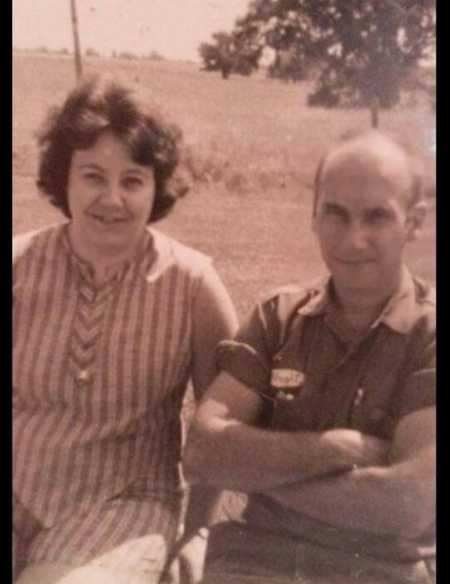
When her mom got older and ill, she decided to care for her. She wanted to show her what love really means, what unconditional love truly looks like. She didn’t want her to feel alone in her last days. She cared for her with patience and kindness, even though she had hurt her deeply in the past. She wanted to love her in a way she never knew.
One day, she looked at her and asked something that shocked her: “How can you treat her so well after all she did to you?” That question showed she was finally noticing the difference in how she treated her compared to how she had treated her as a child. And she answered her honestly: she wanted to show you unconditional love. She wanted you to see forgiveness in both her words and her actions. She still loves you, no matter what you have done.
She didn’t forgive her for being weak. She forgave her because she didn’t want anger controlling her life. She forgave her to free myself more than her. Showing love to her wasn’t because she thought everything she did was okay. It was because she believed love has the power to heal wounds that hatred never can.
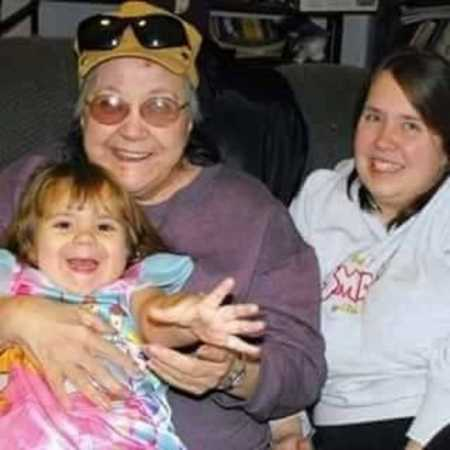
Eventually, her mom passed away. Before she died, she told her something she had longed to hear for many years, she was proud of her. She said she was proud of how she raised her children, how she worked hard, and how strong she had become. Those words brought her the peace she had always hoped for, even though they came at the end of her life.
Looking back, she realizes that unconditional love isn’t something only perfect people can give. It’s something imperfect people choose to share, even when it hurts. She chose to love her mom not because her past actions were okay, but because love itself is the strongest way to break cycles of pain.
Now, she lives her life with a greater understanding of forgiveness. She knows that showing love, especially when it’s hardest, can change hearts. She hopes that by sharing her story, others who carry pain from their past can see that forgiveness doesn’t mean forgetting. It means healing. And healing is one of the greatest gifts we can give not only to others, but to ourselves.