She and her husband met in college and fell in love quickly. They were young, happy, and full of dreams. Getting married felt like the start of everything they had ever hoped for. Even though they always wanted three to four children, they planned to enjoy the early years of marriage, first travel, build their careers, and grow together before starting a family. A few months after their wedding, she noticed her period was late. She thought she might be pregnant. When the test came back negative, she was disappointed, but she didn’t panic. She assumed it would happen eventually. She and her husband started trying casually at first, but as months passed with nothing happening, they both felt that gentle hope start to turn into worry.
She began researching everything she could to improve their chances natural diet changes, vitamins, timing, and more. Every month, she tested early, and every negative test felt like a tiny disappointment. Months went by, and the pain of not getting pregnant grew stronger. After more than a year of trying with nothing to show for it, they decided to see a fertility specialist. Walking into the fertility clinic was one of the hardest moments of their lives. They were both healthy, only in their mid‑20s, and yet there they were, sitting in a waiting room full of couples with far more intimidating stories. She felt embarrassed and overwhelmed, like she was admitting defeat.
After some initial tests, the doctor suggested a semen analysis for her husband. When the results came back, they were shocking: there was absolutely no sperm in the sample. This condition is called azoospermia, meaning there were no sperm at all. She remembered the doctor’s words, feeling surreal, like they didn’t belong in their life. After two long years of trying, they finally had an answer, but it was not what we expectedNext came a referral to a urologist. They hoped maybe there was a blockage or something fixable. What they found out was even more confusing at first. After tests, the doctor told her husband he carried a genetic mutation linked to Cystic Fibrosis called Congenital Bilateral Absence of the Vas Deferens (CBAVD). In simple terms, the tubes that carry sperm never developed, as if he had been born with a permanent vasectomy.
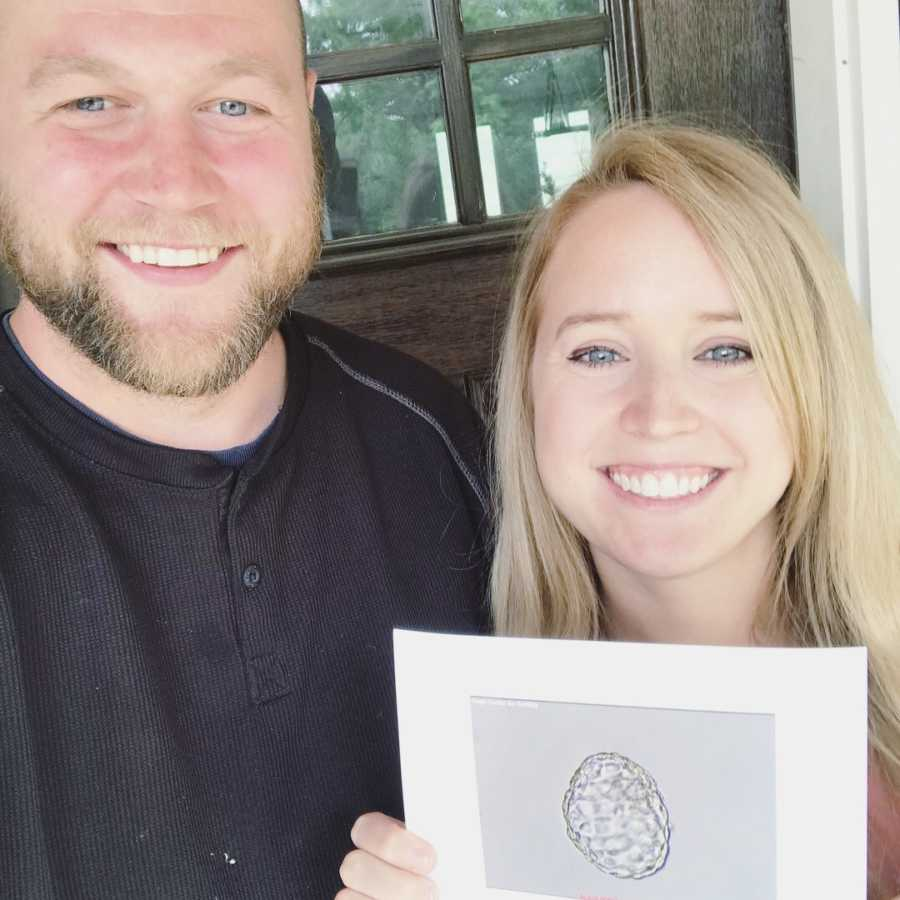
There was no surgery to fix it and no simple way around it. We were devastated. She remembers her mind racing with questions: “But what about our three or four kids? What does IVF even mean? Can they afford this?” IVF in vitro fertilization) Suddenly became their only real option if they wanted biological children. It felt overwhelming, scary, and expensive. For one week, we allowed ourselves to grieve. Then, once they accepted that IVF was their path forward, it felt like a weight had lifted. For the first time in years, they had a real plan. They started sharing their journey with family and friends, something they had hidden for so long. With each person they told, they were met with support and love, not judgment.
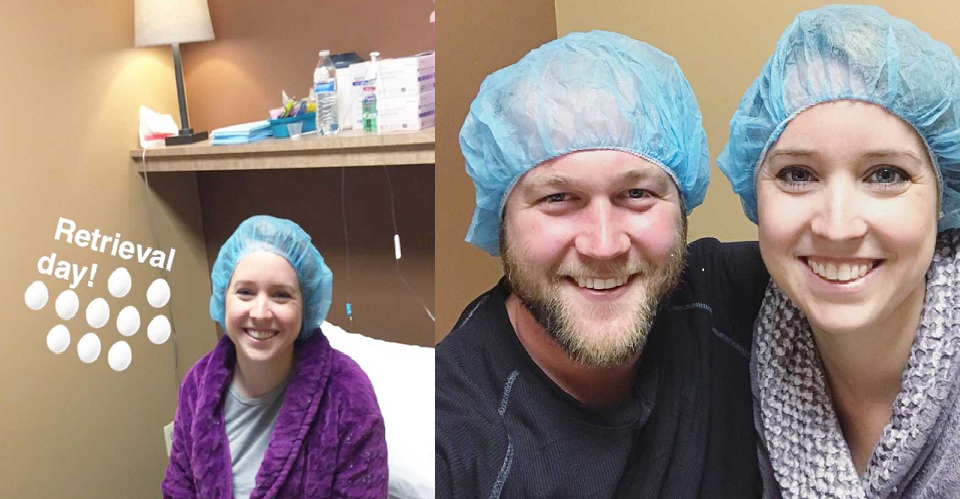
It was a reminder that isolation had added to their pain, and letting others in gave them strength. They also found a community online of other couples sharing their infertility journeys, offering encouragement, advice, and empathy. She even created an Instagram account to document their experience, because if their story could help just one other couple feel less alone, that would be meaningful. The IVF process wasn’t easy. Her husband had a sperm aspiration procedure. At first, the doctor thought it was a simple test, but then he came out with good news: “We’ve got swimmers!” Four tiny swimmers meant hope.
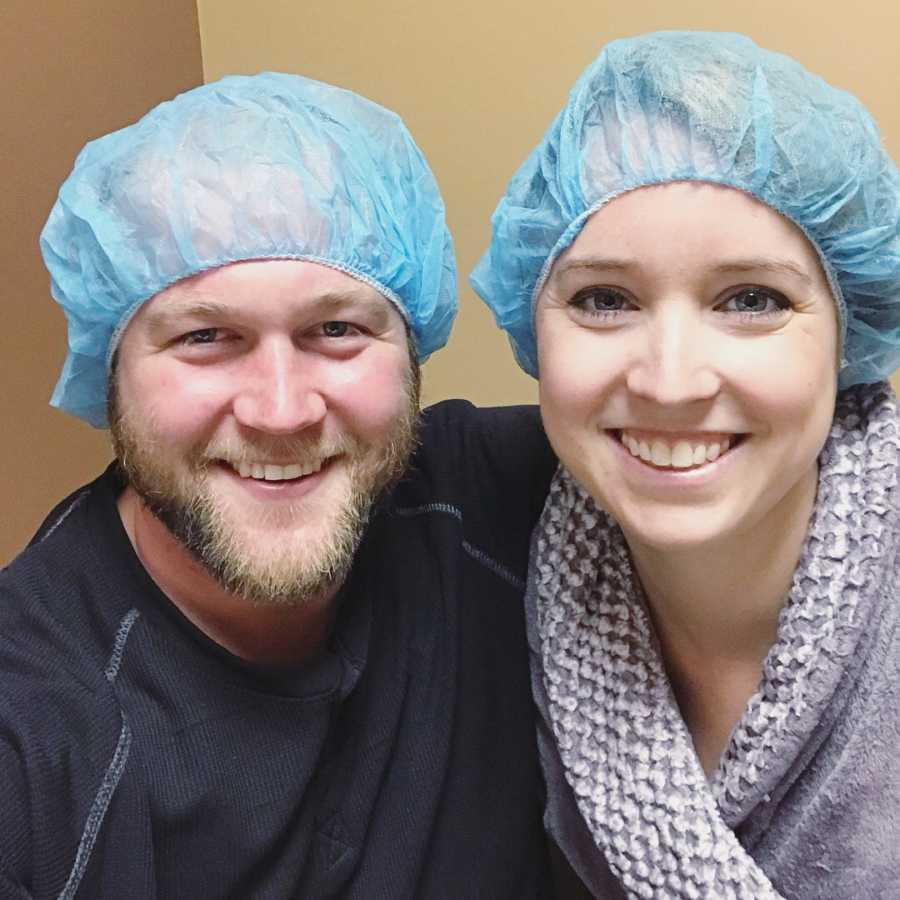
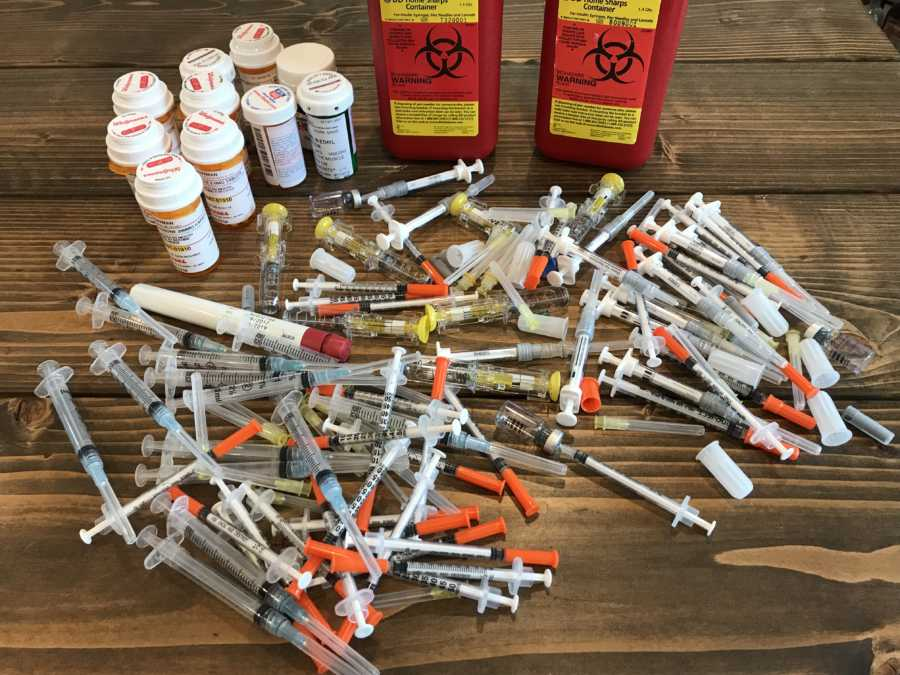
On her side, she went through injections, egg stimulation, surgery, and emotional ups and downsThrough late‑night injections, frustrating tests, hospital visits, and waiting for results, they leaned on each other. What had started as a painful challenge ultimately strengthened our marriage. They learned patience, communication, and gratitude for what they already had: a supportive family, good health, and each other. Though their infertility journey wasn’t over yet at the time of writing, they chose to believe they would finally become parents one day and build the family they always dreamed of: three, four kids, and a lifetime of love.