She always imagined motherhood would be one of the happiest times of her life. She pictured herself rocking her baby to sleep, watching him grow, feeling proud and peaceful. But reality was far different. After suffering multiple miscarriages, she became overwhelmed with grief and sadness that she couldn’t explain or escape. In those months, she didn’t want to get out of bed. She couldn’t peel herself off the couch. She felt like an emotional blob, heavy, slow, and stuck in pain. She had dreamed about being a mom for years. She thought loving a baby would mean joy every day, but the losses she experienced changed her in ways she couldn’t have predicted.
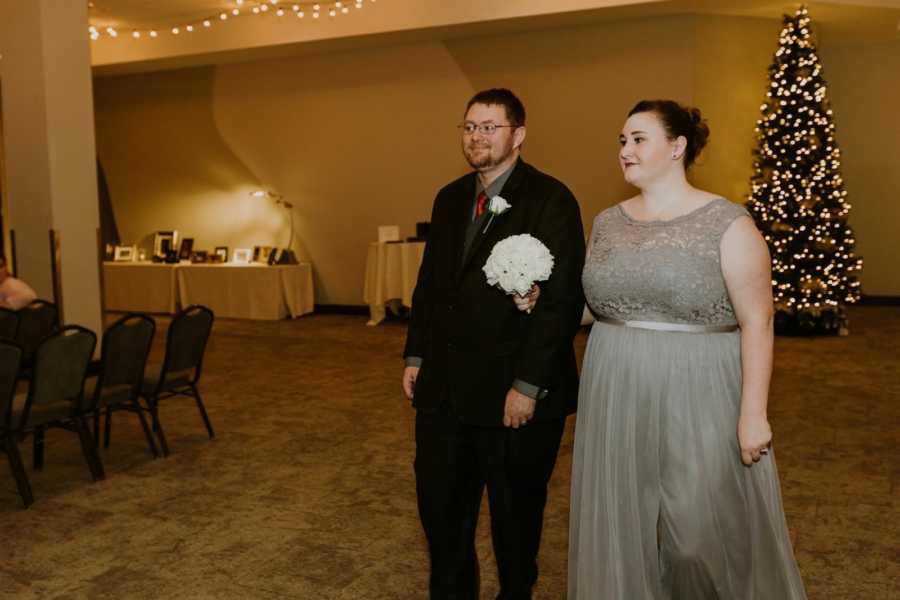
Miscarriage is something so many women go through quietly, yet it doesn’t feel quiet inside their hearts. Each loss felt like a small death, a piece of her hope slipping away. She wasn’t sure how to move forward, and every day, she carried sadness that had no clear cause. It felt as though the grief had seeped into every part of her. After the miscarriages, she eventually became pregnant again and had a baby. But even that joy was shadowed by something darker, postpartum depression. Instead of feeling fulfilled and happy, she felt empty and exhausted. She didn’t want to leave the couch. Simple tasks felt impossible. She didn’t recognize the person she had become. She wasn’t “her” anymore; she was surviving, but barely.
It wasn’t just sadness; it was a deep numbness that swallowed everything else. She wasn’t just tired; she was emotionally worn out in every way. Day after day, she stayed on the couch. She watched life happen around her while she felt stuck in a bubble of heaviness and pain. She wasn’t bonding with her baby the way she expected to. She could feel proud of him and love him deeply, but she couldn’t feel joy the way she thought she should. It took a long time to realize that this wasn’t a failure; it was postpartum depression, a real condition that affects many new moms and doesn’t mean you don’t love your child.
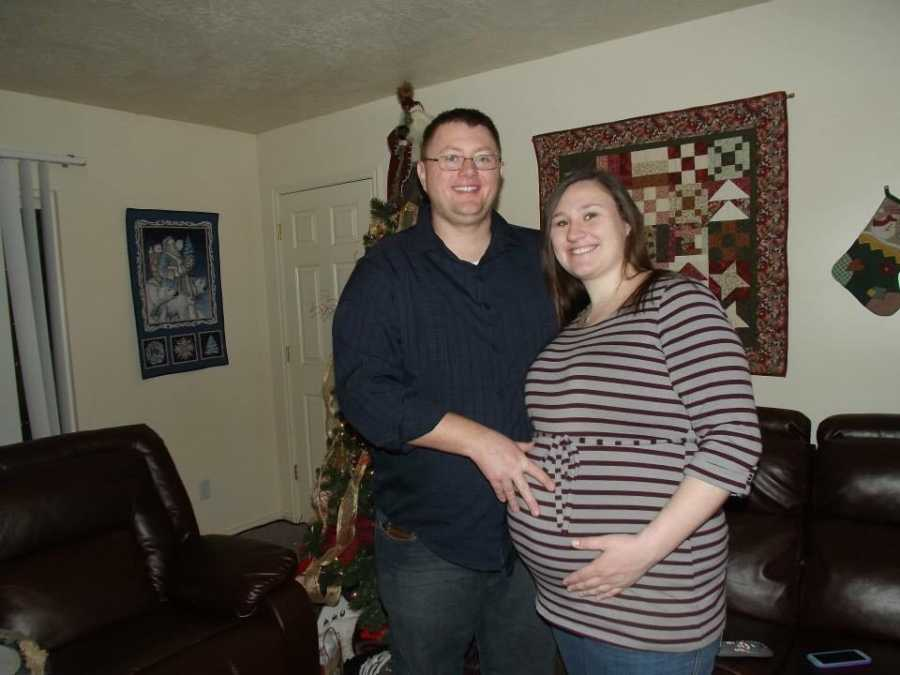
Her body had also changed in ways that surprised her. The weight she gained during pregnancy and after felt like a physical reflection of her emotional state: heavy, difficult to lift, and impossible to ignore. At any lowest, she didn’t care about her appearance or how she felt in her own skin. She was focused on getting through each day, one hour at a time. But eventually, something inside her shifted she realized that she needed to care for herself, too. She wasn’t doing this for anyone else, not for her husband, not for her baby, not for anyone who might judge him, but for him.
She decided to start moving again. She started with small steps: a short walk around the block, drinking more water, eating slightly better meals, and slowly rebuilding a sense of self that had been lost. Over time, those small changes added up. Losing weight became more about healing than about looks. It became about reclaiming the person she once knew before the sadness overshadowed her days, but it wasn’t just the weight loss that mattered. What really changed was what happened inside her. Through therapy, support from loved ones, and gentle self‑care, she began to see light again.
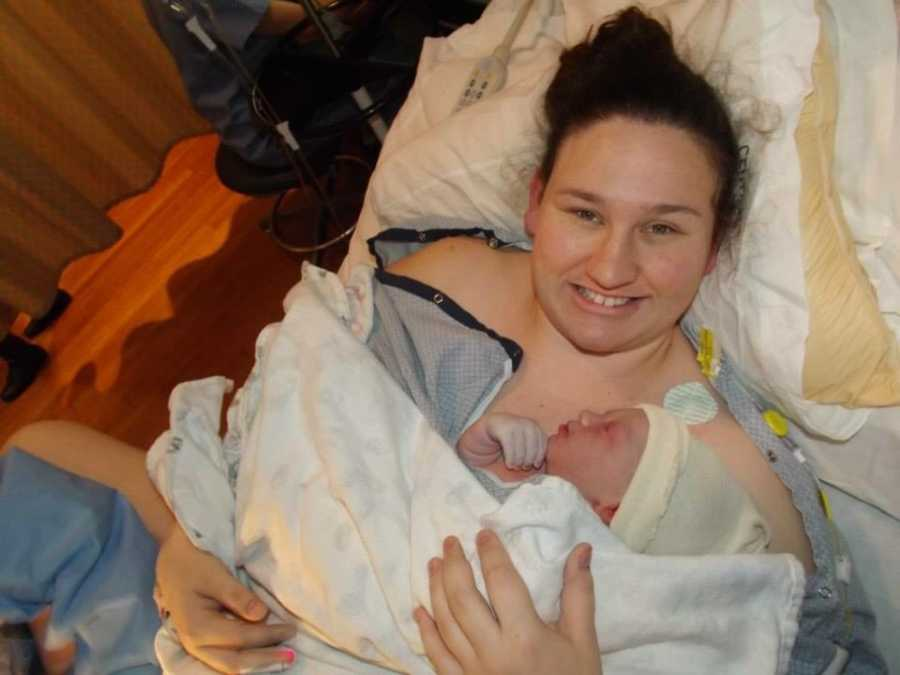
She didn’t stop grieving; she learned to carry it in a way that didn’t break her anymore. She didn’t erase the sadness; she learned to live with it, and to grow from it. The journey from feeling like an emotional blob on the couch to discovering strength and hope again wasn’t quick. It wasn’t easy. Some days were still hard. But little by little, she found herself recognizing the woman in the mirror again. She found joy in moments she thought she had lost forever. And most importantly, she learned that healing isn’t about perfection, it’s about showing up for yourself, even when every part of you feels heavy and tired.