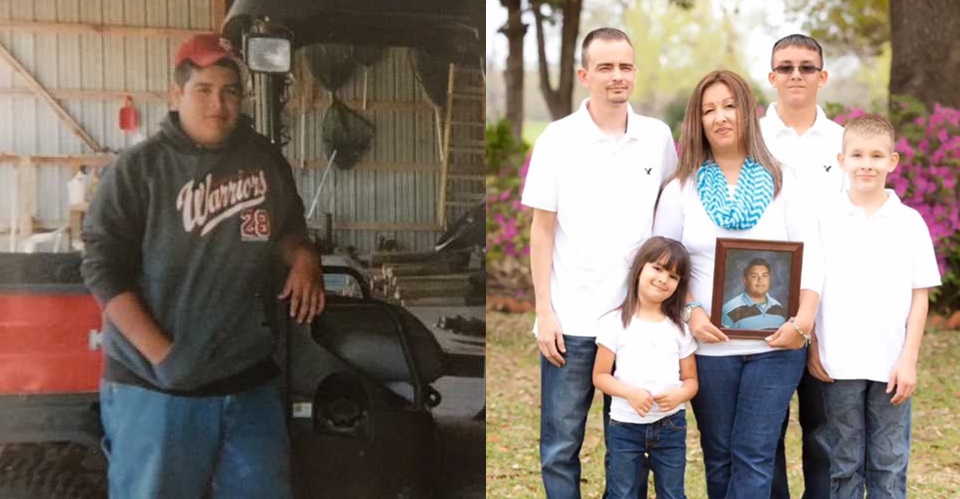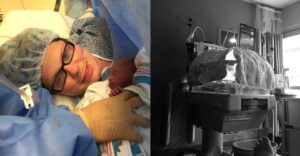
She hated that her husband was missing. With the news of pancreatic cancer, there was a clear wish to be fulfilled: to be around long enough to see the youngest, Kaitlyn, graduate from high school. He failed in that hope. He died the summer after Kaitlyn completed her seventh-grade year, before the end of middle school, without ever witnessing the transition where childhood dissolves into something much heavier. Kaitlyn was thirteen years old.
An age of almost but not quite independence, an age of contradictions, of yearning to be on your own but also needing your parents when the world seems too big, when the nights are just too long. In her world, her father is already gone. As all dads would have, he would have done anything for her. He would take her fishing when she wanted to go. He would bake cakes with her, even though she tried to bake them.
He would learn to put ponytails in her hair for gymnastics meets, and, through trial by fire, that hair glitter needs to be sprayed outside. He would paint her room when she wanted it painted, build trophy shelves, and lie in bed for sleepovers and roar like monsters. And then one day, he was gone. But life did not pause. Kaitlyn grew. She did not fish anymore. The posters came off the wall. Gymnastics classes ceased. Some came from grief. Some came from Kaitlyn’s natural progression. But all conspired together to change her into something entirely new. “Little” is no longer applicable as the girl he once knew wasn’t as little anymore.
Kaitlyn had also grown five inches. “In truth, she had always had beauty,” her mom thought as she looked at Kaitlyn, “but she had something more now as if she had inherited all his qualities: Kaida’s long legs, his sharp mind, and his stubbornness. As Kaida’s wife watched, she could feel the pain settling into the depths of her chest. “Thirteen years,” she thought. “Thirteen is nowhere near enough time.”” He was supposed to be here. He was supposed to see her come into herself.
He was supposed to ease her worries away and chase the boys off. He was supposed to clap at her graduation, lead her down the aisle, and dance with her after delivering her to another. He was supposed to pace back and forth in a waiting room someday while his grandchildren entered this world, then regale them with stories of how their mother drove him to madness.
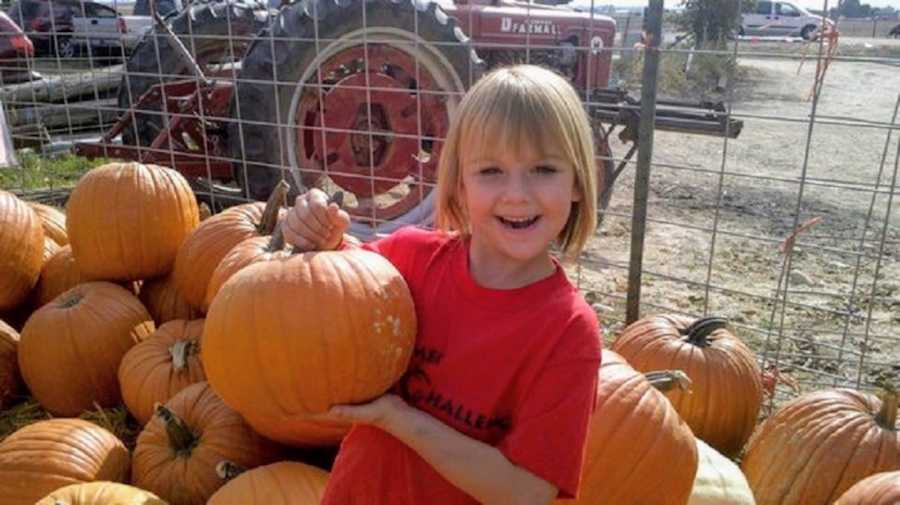
It just wasn’t fair, not to him, not to Kaitlyn, not to any child who had to grow up without a parent in those formative years when a parent was needed most. There were days, though, that this lack of fairness was almost too much to bear. It was a fact that she, Kaitlyn, and their family all missed him. But it was when Halloween rolled around that the memories came crashing back. The pumpkin patches he had been forced to go to, grumbling, but had ultimately ended up at anyway.

The late nights at the kitchen table, carving pumpkins side by side, designing his masterpiece. Then, one year, when he had carved a pumpkin better than she had, and she had cried, he had secretly ruined his own design just for her smile. It was another year when a friend supplied him with sacks and sacks of Halloween decorations. On Halloween night, the garage was a complete cemetery scene with fog, dry ice, black lights, and foam tombstones.
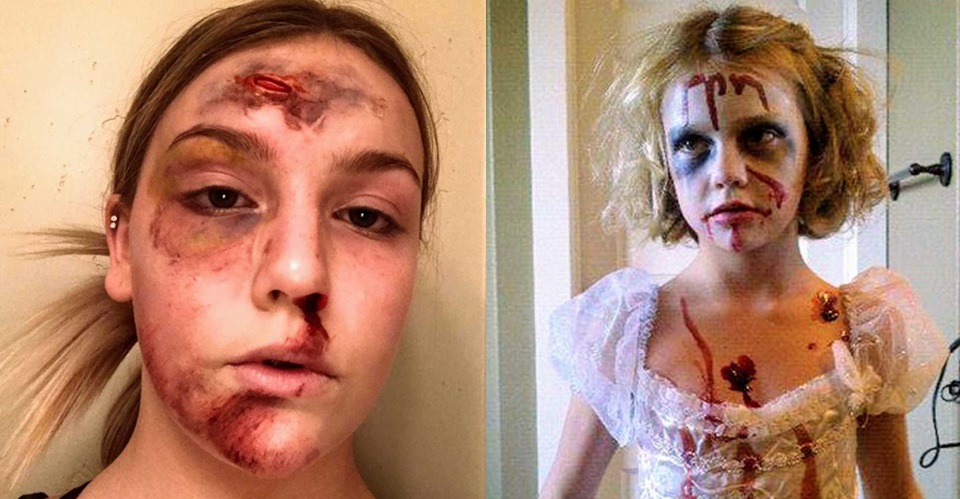
Teenagers assisted, but leadership came from a four-year-old girl pulling on his shirt and suggesting her “best” ideas. They were very proud of what they created. He had been endlessly creative. And now, so was she. Whether it came from these memories or ran deep in her genes, Kaitlyn was born with a talent for special effects makeup. Burns, blood, gore. She could do it all.
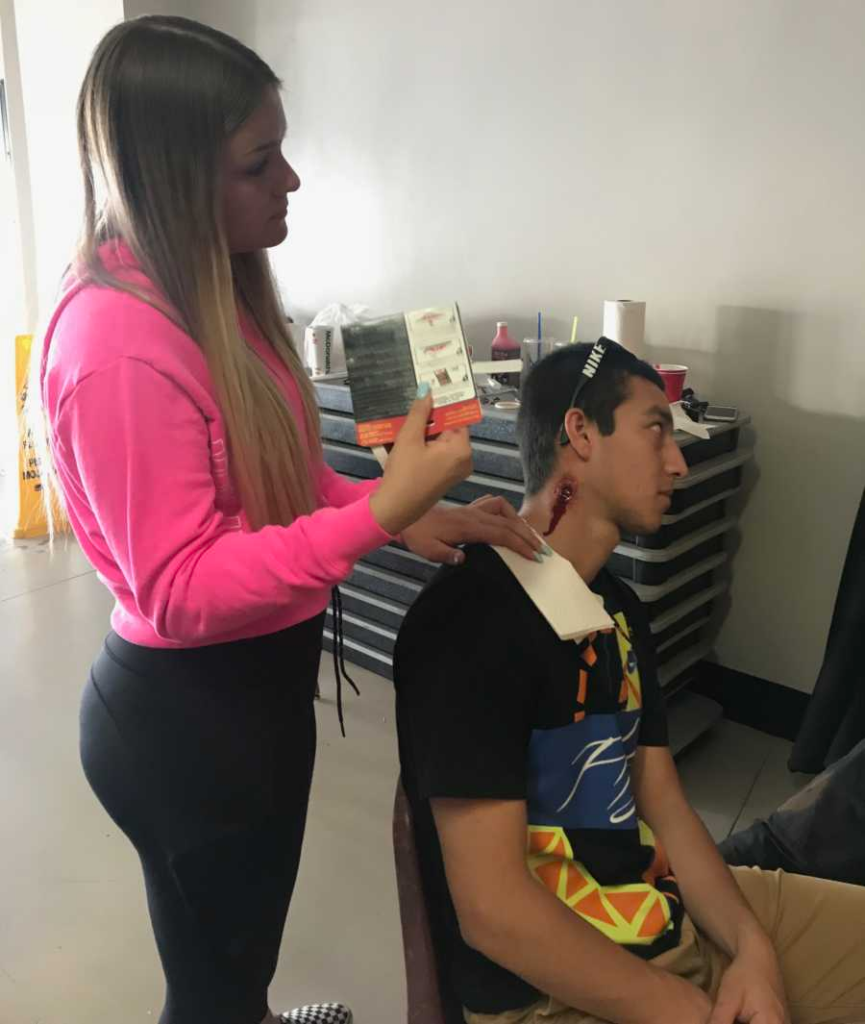
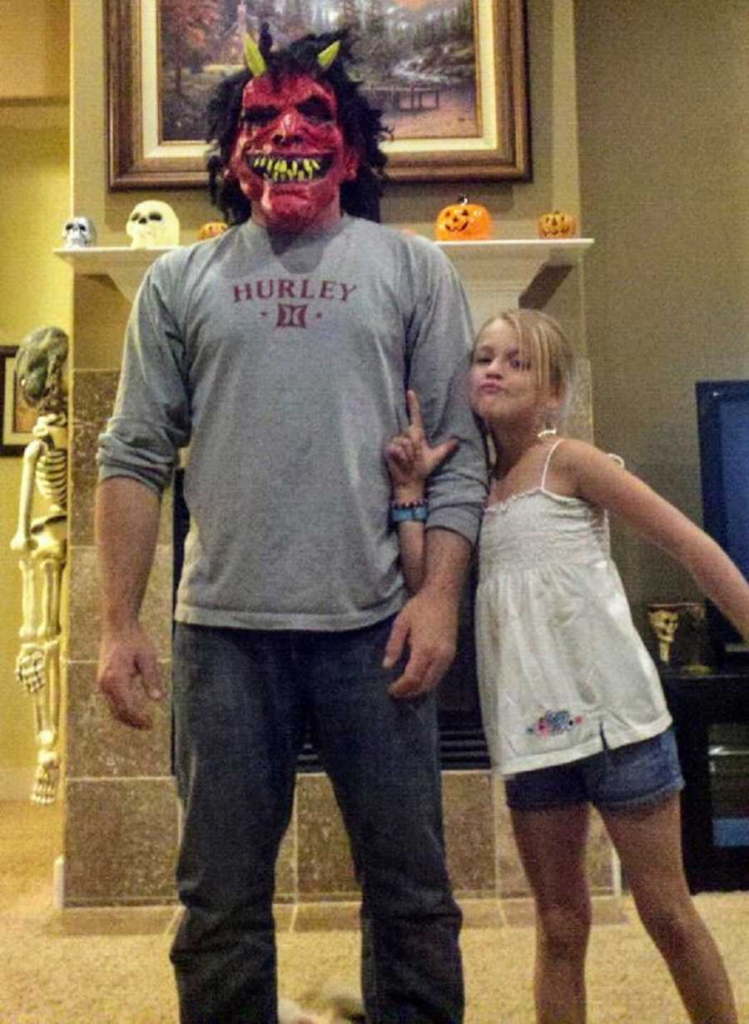
One evening, her mom asked her to make a fire for an event, and she did it just as her father always did. Her mother thought he was still around somehow, guiding them, inspiring them, standing off to the side. Of course, it stung that he wasn’t there to say it loud and clear. To tell Kaitlyn how amazing she was. How to tease her with masks, make scary sounds from monsters, carve jack-o-lanterns, bake cakes, and yell “Happy Halloween” with that infectious laugh. Nobody knew what Kaitlyn would go on to be. A nurse. A doctor. A trauma surgeon.
A makeup artist. Something completely different. It was what hurt the most. It would be accomplished without her father’s encouragement in the stands. The loss was still alive in her after all these years. Some nights, it robbed her of breath. Some mornings, she struggled to emerge from dreams of him. It was too quiet in the house, where it was always a swirl of chaos, of laughter, of Halloween leftovers. She reminded herself that she could feel this way. Had every right to want. To hate that she did. But she knew she and Kaitlyn would be alright. Come Halloween, Kaitlyn would answer the door with her sunny smile and greet trick-or-treaters, telling them how fabulous they were. “They would keep going,” he said. “Because that was who they were. And who he believed they could be.”