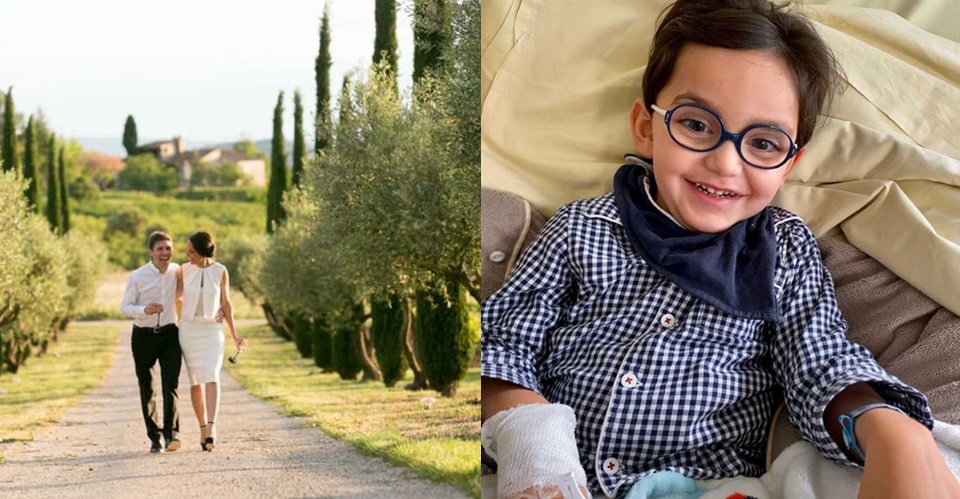
Love is our engine and action is our map, together we will kiss this disease goodbye. Deborah grew up convinced New York was the center of the world, but Paris quietly stole her heart when she was sixteen. Years later, after earning her master’s in interior design, a competition win sent her from Brooklyn to the City of Light. There she met Antoine, a Parisian colleague with a gentle laugh and steady eyes. They married in Provence in 2014, a sun-washed day filled with family, friends, and the easy promise of a shared future.
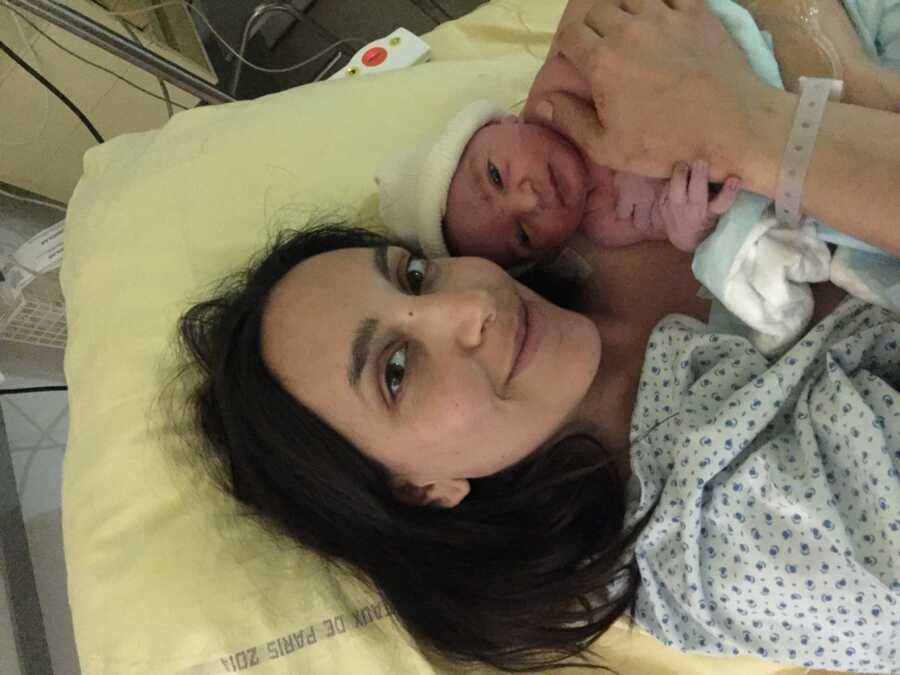
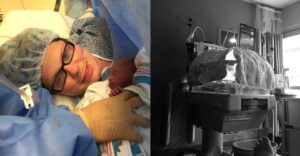
Their son, Leo, arrived in April 2016. He was adored from the first moment. He babbled, pulled up, and reached milestones on time, until he didn’t. At fourteen months, he would take a few steps and topple. Therapists and doctors searched for answers and found none. As months passed, Leo began to lose skills he had already learned. Deborah, pregnant with their second child, pushed for genetic testing. The call came with the worst kind of certainty: Leo had Infantile Neuroaxonal Dystrophy, an ultra-rare neurodegenerative disease with no cure and no treatment, a condition that strips away movement, language, and cognition, often before a child’s tenth birthday.
Life expectancy was given as five to ten years. Deborah and Antoine sat with the weight of it, their questions dissolving into tears. They also had to test their unborn daughter. The wait was agonizing. When the results showed she was not affected, relief mingled with a deeper grief for what Leo would face.
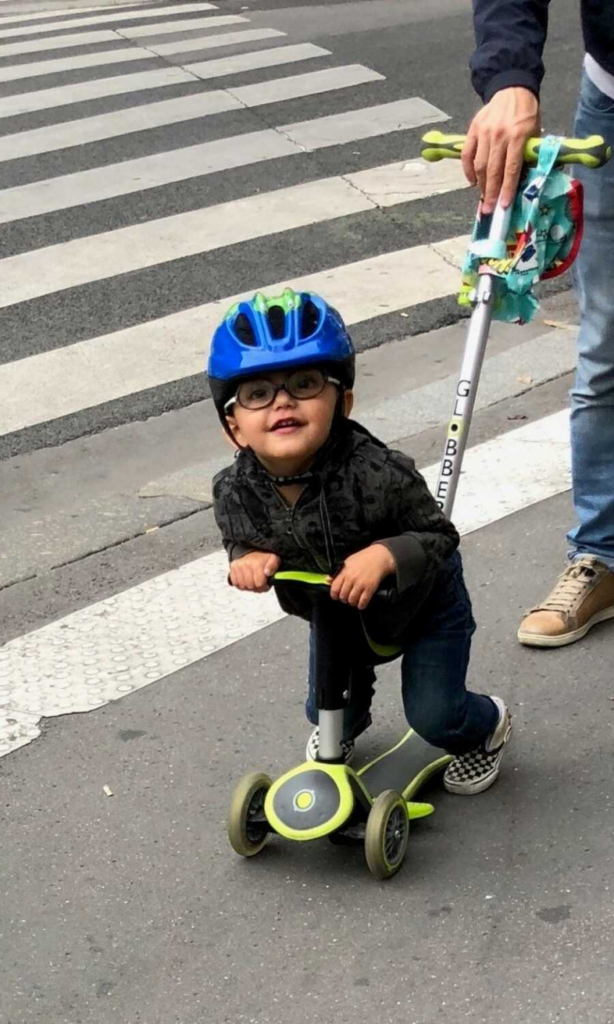
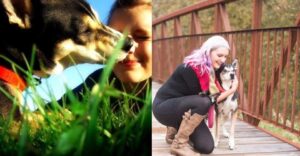
In the middle of that shock, Deborah’s best friend, Emily, arrived from California with her daughter. The little girl walked in and kissed Leo on the cheek. It was a small, tender act that sparked a big idea. If a kiss is the instinctive wish to make it better, maybe it could become a rallying cry. They launched Bisous for Leo, “kisses for Leo”, to raise awareness and fund research through the INADcure Foundation. People from around the world began posting photos of kisses and donating. Celebrities joined in, but the heart of the campaign was always the families who knew what it meant to watch a child’s light dim and still find the courage to hope.
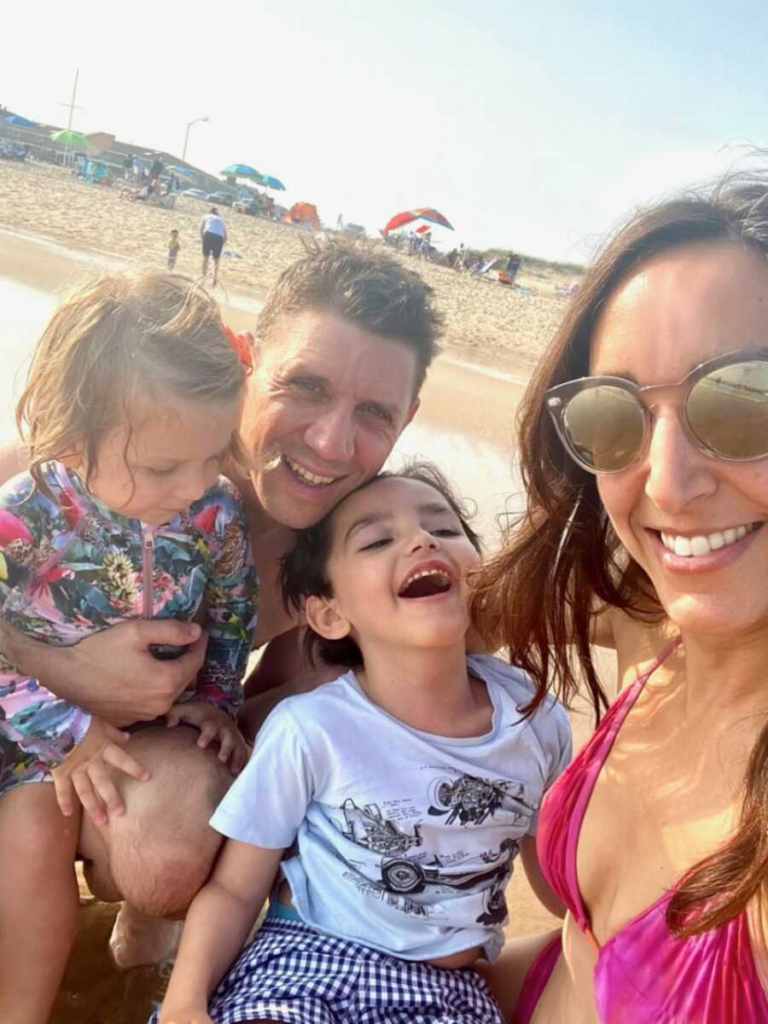
While building that community, Deborah and Antoine pushed for science to move faster. When a first-ever clinical trial opened for a drug aimed at slowing INAD’s progression, Leo was enrolled. It wasn’t a cure, but it was a start. They also helped fund work on gene therapy, the most promising path to a lasting solution. Their message widened beyond INAD: breakthroughs for infants can illuminate new treatments for adult neurodegenerative diseases like Parkinson’s and Alzheimer’s. Start early, intervene wisely, and the ripple could be enormous.
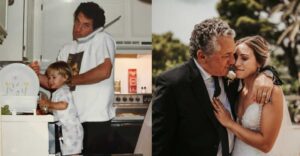
Daily life, though, was not a press release. Caring for Leo grew more exhausting as his abilities faded. Appointments multiplied. Equipment filled corners of the apartment. Each month brought news of another child diagnosed or another family saying goodbye. Still, there were moments they held with both hands, Leo’s smile when music played, the feel of his small fingers curling around theirs, the certainty that he was loved beyond measure.
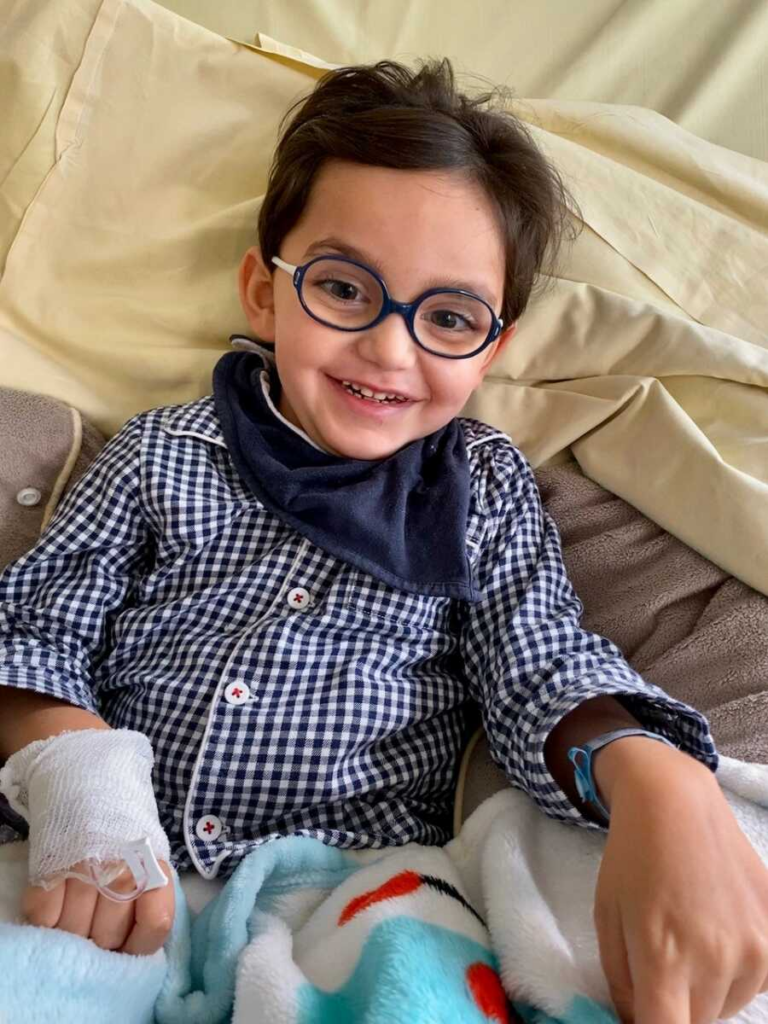
Deborah remains deeply grateful for the support Bisous for Leo has received and the strangers who became allies. She knows awareness saves time, and time is everything. She also knows that sharing their story invites others into the fight. The more people who learn what INAD is, the more likely a cure becomes, not only for children like Leo, but for millions living with related conditions. She never imagined her love for Paris would lead her to this life, a marriage built on partnership, a son who changed her understanding of strength, a campaign born from a child’s kiss. She still believes in beauty and design and designs paths for hope, connecting researchers, families, and friends across oceans.