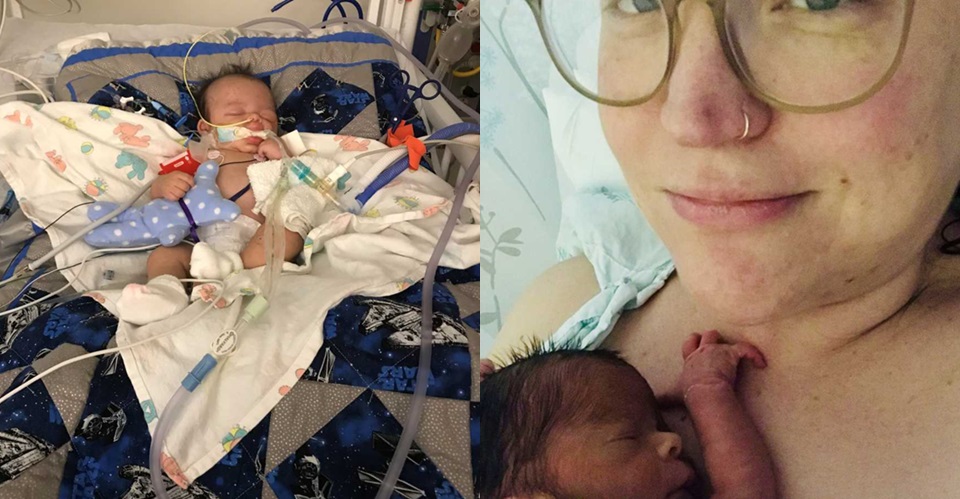
For a long time, she had just never imagined herself as a mother. First, she simply wasn’t interested in having children, and then much later, when that attitude began to soften, she wasn’t married. So when she found herself pregnant at thirty-six after a single try, she and her husband were overjoyed and stunned that so fast, life changed course.
Her pregnancy, much to the overly dramatic wordings of hospital paperwork, went on very smoothly despite her “geriatric” status. Genetic testing showed she was a carrier for Factor V Leiden, a clotting disorder, which, again in a weird grey area medically, was neither here nor there; she had it, yet she did not. This initiated endless, confusing dialogues with doctors and nurses who all seemed to interpret the risk differently. But everything seemed stable.

Due dates came and went, then patience. At forty, then forty-one weeks along, she waddled through appointments in a brutal summer heat wave with increasing discomfort and desperation to meet her baby. Finally, after two false labors, she received an induction date. Three days later, baby-ready, she and her husband showed up at the hospital. She didn’t have a formal birth plan, believing it best not to interfere. Later, she would wish she had set clearer expectations.
Within thirty minutes, she registered as having slightly high blood pressure. A urine sample was taken. From then on, things happened very quickly, although no one bothered explaining what was happening. For the next two days, she had around-the-clock testing, intense monitoring, and complete bed rest. Her blood pressure rose, protein started showing up in her urine, swelling stiffened joints, and her platelet count took a dangerous drop. In the wee hours of morning, she was instructed to have an epidural port inserted now, before her platelets fell too low. She consented, eager to retain options.
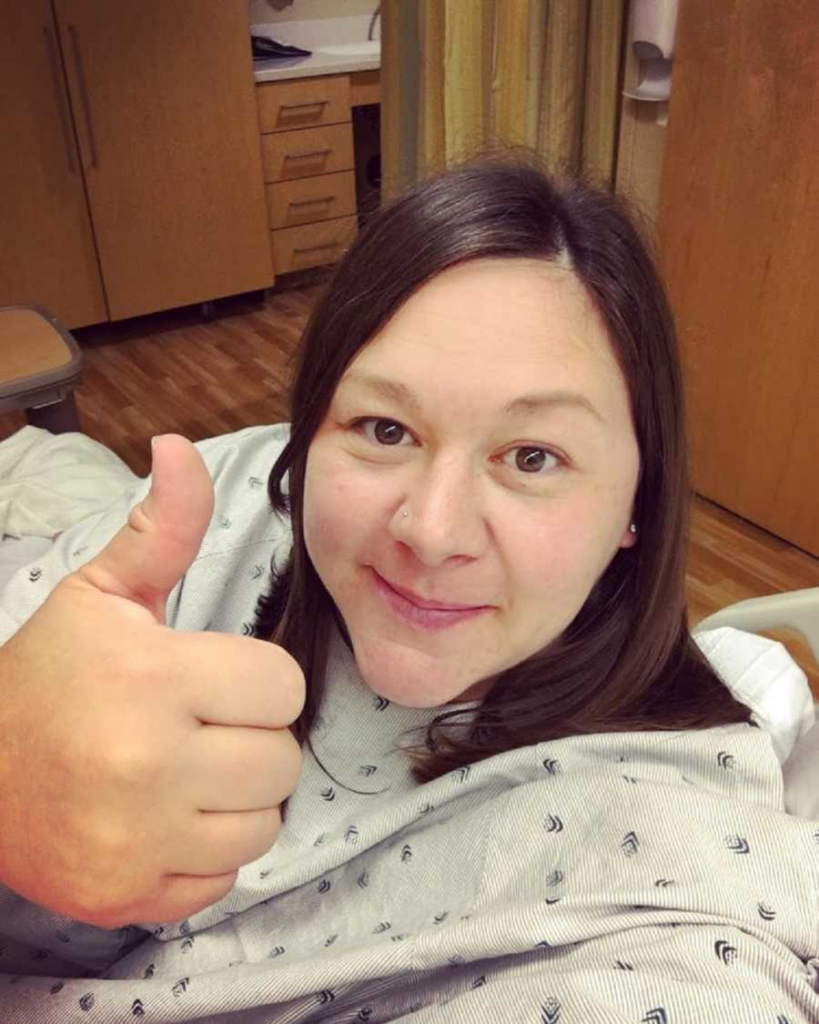
None of that was ever clearly explained to her as a diagnosis of preeclampsia. Doctors and nurses were in and out of the room so frequently, it seemed each assumed someone else had already explained things. She thought it was all normal labor procedure. Meanwhile, her liver and kidney function declined, her vision dimmed, she developed a crushing headache, vomited repeatedly, and was placed on magnesium to prevent seizures. Still, no one spoke plainly. And when she finally asked what would happen if preeclampsia progressed, she learned eclampsia meant seizures. When she tearfully demanded answers, one doctor dismissed her concerns as hormones. The fear set in. She couldn’t comprehend why an emergency cesarean wasn’t happening. The words stayed with her long after.
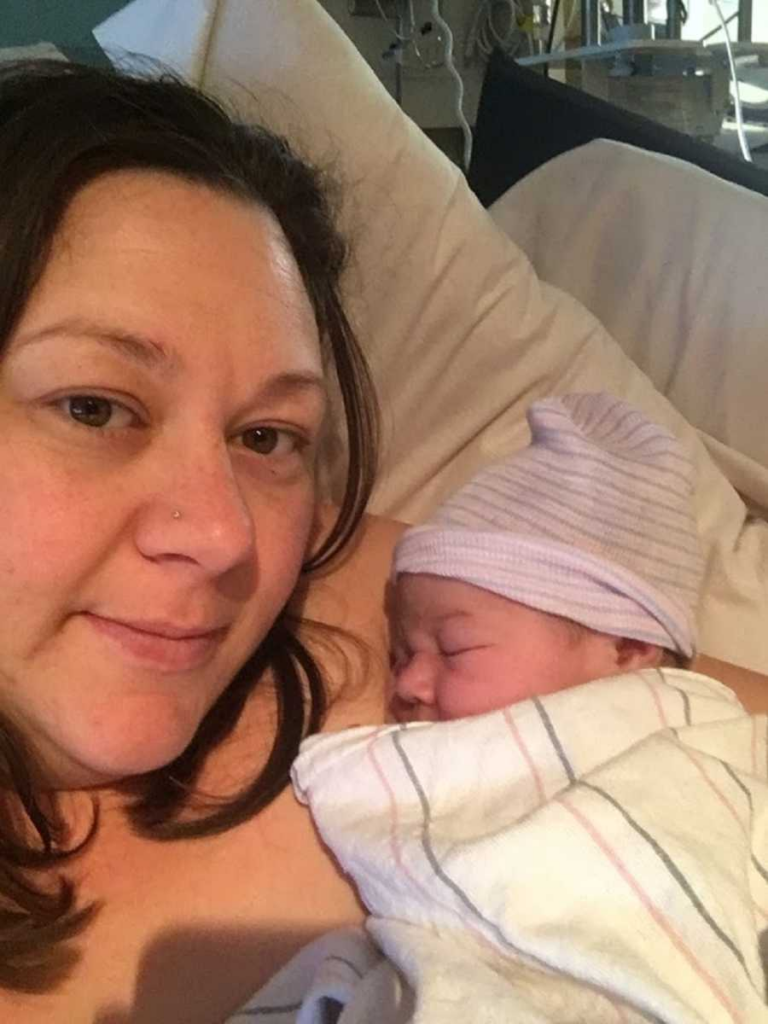
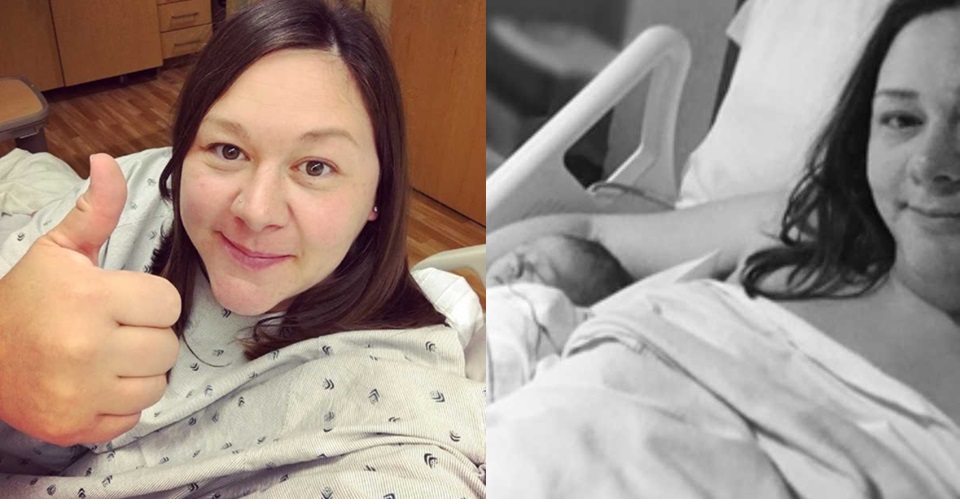
Hours later, her water broke. Severe abdominal pain followed. When her distress was again brushed aside, her composure shattered. She yelled, both furious and terrified. Thankfully, her son was born hours later, but looking back, she believes they were both on borrowed time. After delivery, her weakness worsened. A nurse visibly irritated that she couldn’t walk to postpartum recovery or move on her own. Alone, exhausted and frightened, she felt invisible. Then another nurse came in-gentle, calm, and honest. She took her hand and said, “We only give magnesium to the sickest mothers. You are very sick.” For the first time, she felt validated.

She stayed in bed the whole time and was sent home abruptly when the magnesium was stopped. At home, she struggled-physically, emotionally, and with delayed milk production. It wasn’t until her six-week checkup that she found out her liver and kidney function were still impaired at discharge. No one had ever told her. The anger lingered. She still seeks answers years later. How close had she come to dying? How close was her son? Why hadn’t anyone explained, prepared, or comforted her? She reads other women’s stories now, finding pieces of herself in theirs. She might not fully grasp what occurred, but she hopes that her story pressures expectant mothers to ask questions, demand details, and fight with the utmost tenacity. Because it is their body. And they have the right to know what is happening to it.