They never imagined their life would look like this. Not in a million years. It started with two boys, a house, a couple of cars, the standard checklist most young families quietly chase after. It was comfortable, predictable, and ordinary in the best way. Baby clothes were folded away, passed on to others, and the family of four felt complete. At least that’s what they thought. But sometimes life whispers in ways you can’t ignore, and adoption began to tug at their hearts until it became impossible to pretend the feeling wasn’t there.
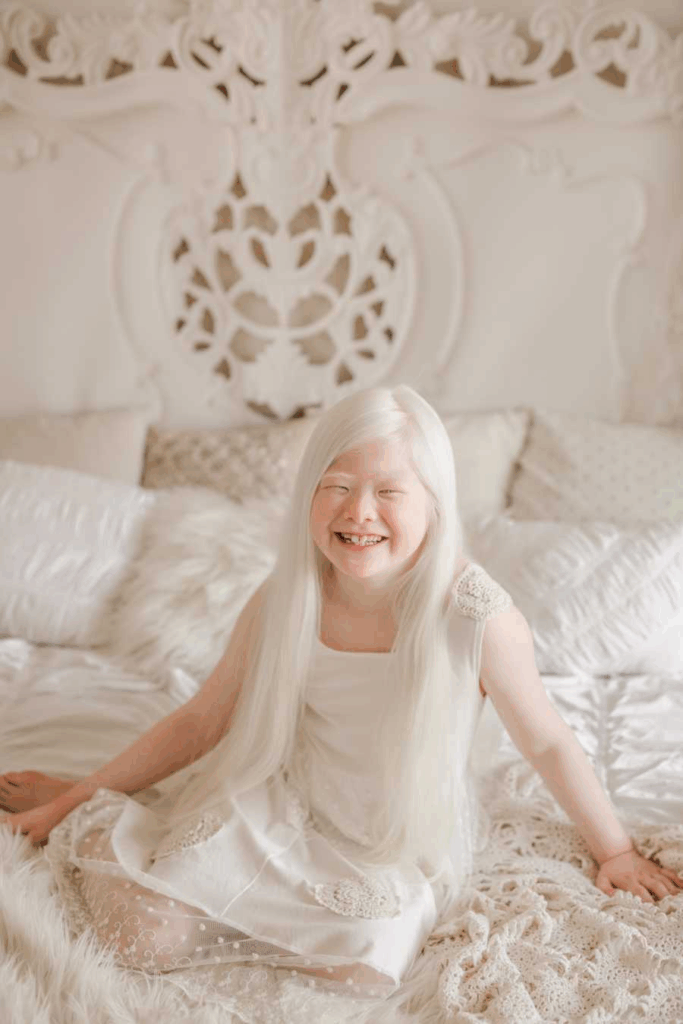
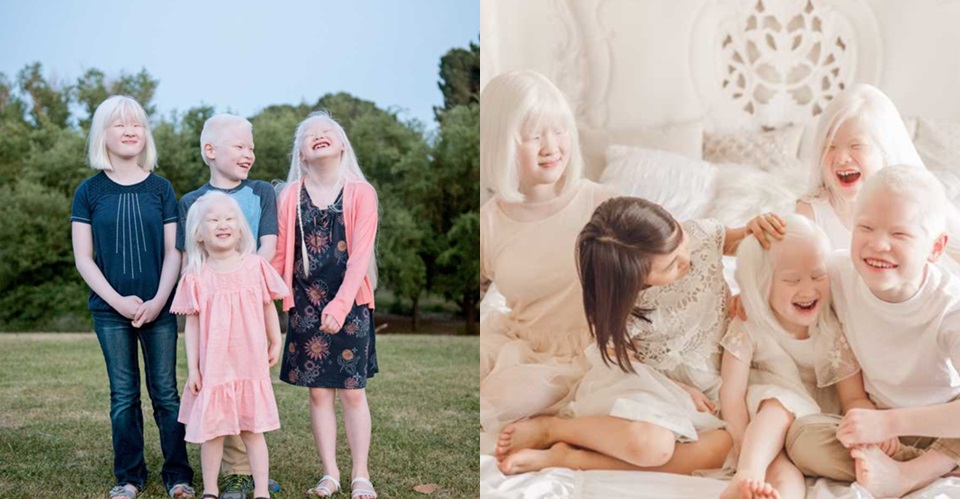
The first dream was simple, or so it seemed, a baby girl from China with dark eyes and soft brown hair. The paperwork was heavy, and the waiting was endless. Months stretched into years, each one harder than the last. While other families traveled worldwide and returned with little ones, this couple stayed stuck in the waiting. It felt cruel, like watching doors open for everyone else while theirs remained locked. They questioned if they should switch programs, considered letting go, but something inside whispered to hold on. And then, at last, a photo arrived. Not what they expected, not what they had pictured at all. Staring back at them was a blue-eyed child with hair as white as snow. A little girl with albinism. Their Lily. And just like that, all the waiting made sense.
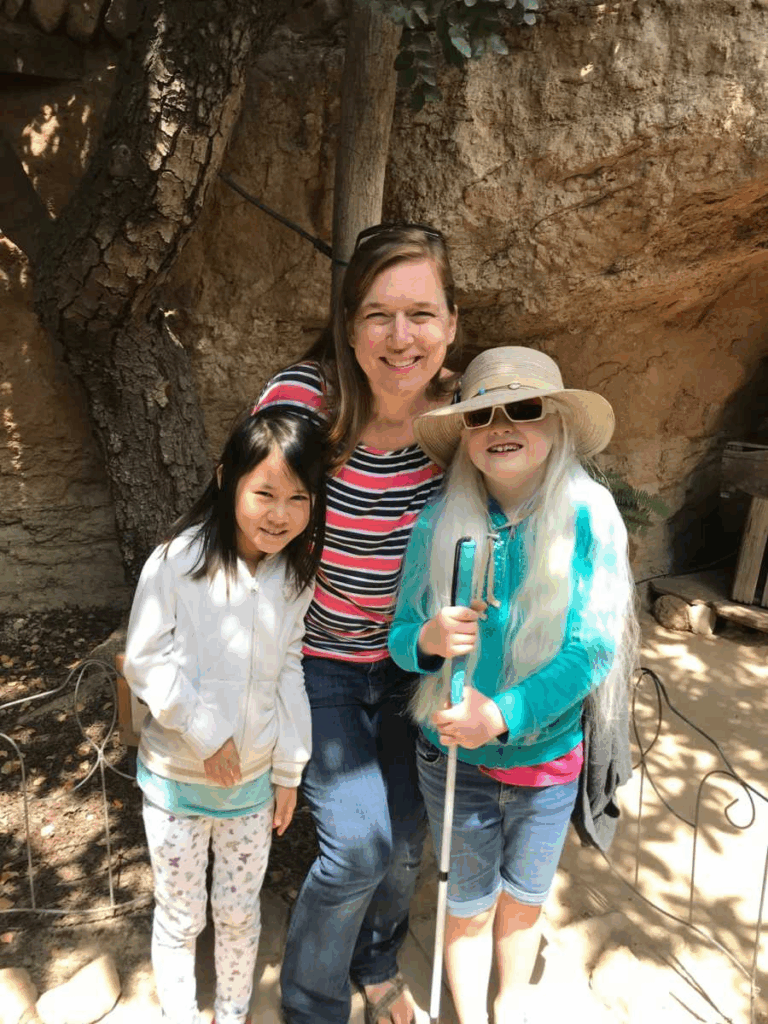
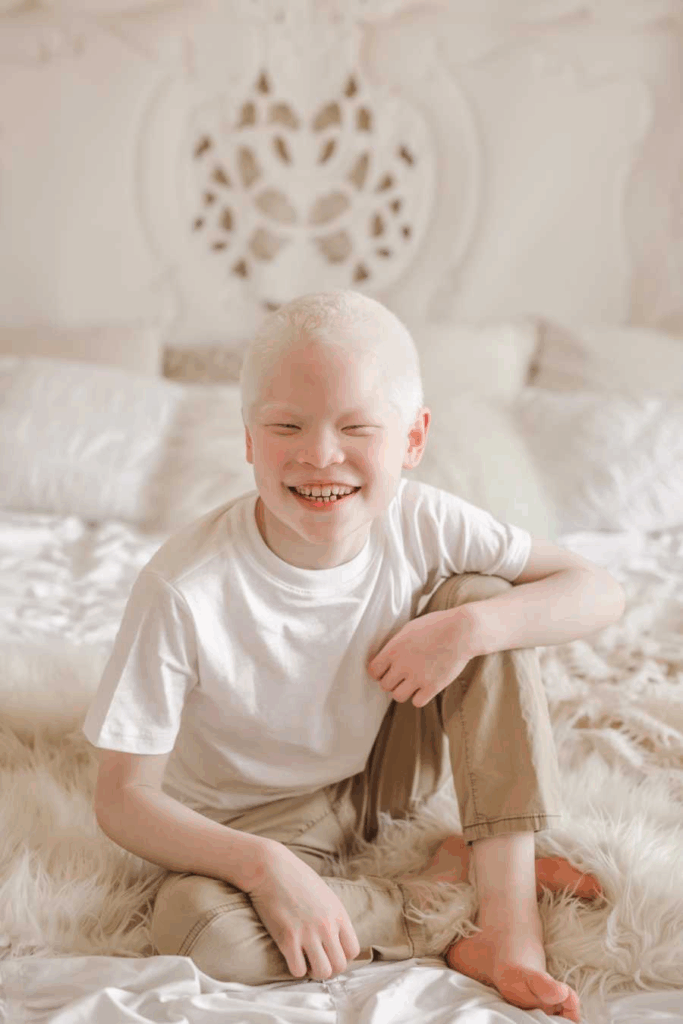
Lily fit in instantly, as though she had always belonged. The family laughed, played, adjusted, and loved in a way that didn’t feel like an adjustment. But one child became two, because suddenly their hearts shifted again, this time toward a girl with nerve damage in her arm. Mae joined them soon after, tiny and sweet, and it was in the middle of that adoption process that their world cracked open even further. They began seeing the faces of little boys with albinism, boys who had been waiting far too long. At first, it felt like a coincidence, but the signs stacked up over time until they couldn’t ignore them. Within an hour of calling the agency, they were matched with Nathaniel, their son, whose name means “gift of God.”
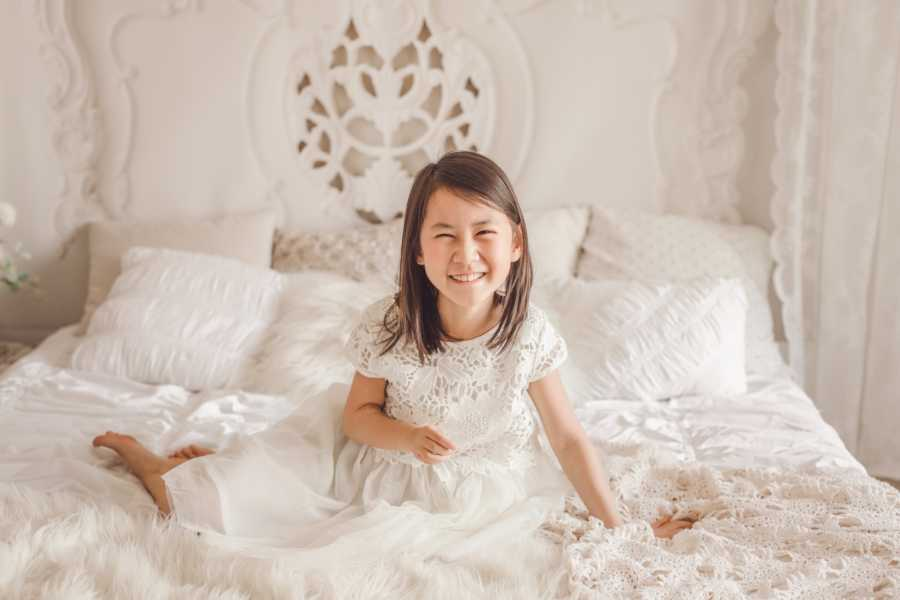
The leap from three kids to five nearly knocked them over. The house was loud, chaotic, and exhausted, leaving them dizzy at times. Parenting two toddlers and a preschooler who needed extra care, on top of two busy older boys, was like living in a fog. But love has a strange way of keeping people afloat. They staggered through it, not perfectly, not gracefully, but with hearts that refused to close. Eventually, the fog lifted, and they heard the nudge again in the light—another child.
This time, it was Kaelyn, a five-year-old girl who had spent her early years in a place marked by neglect and silence. She couldn’t chew, barely walked, and had no words to offer. The thought of parenting her was terrifying, but the people who had begun caring for her promised she would bring joy. And she did. Slowly, she learned, healed, and connected. She would never be fully independent but was radiant in her own way, a living reminder that broken beginnings do not erase a child’s worth.
And then came Emily, the last piece of the puzzle, though by now they had learned never to declare themselves “done.” Emily was also born with albinism, completing a family of six adopted children, four of whom share that rare condition.
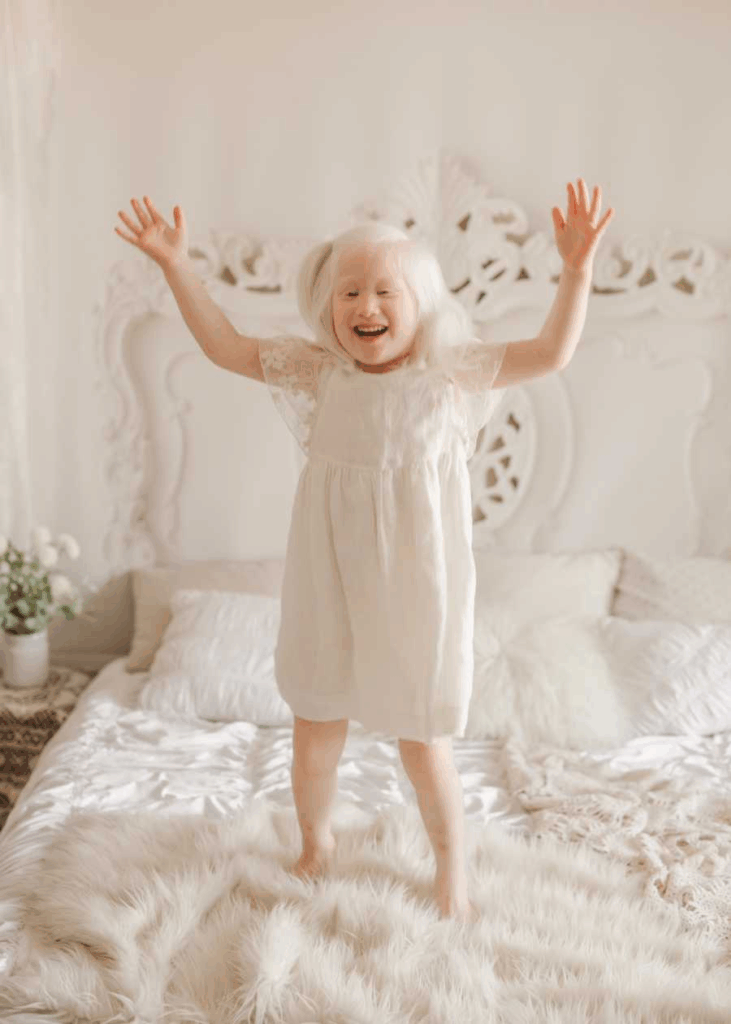
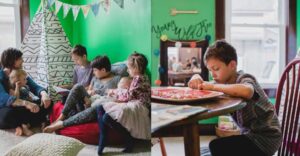
Life with albinism is complicated, but it is also full. Their children’s vision ranges from decent to legally blind. They rely on magnifiers, canes, and technology to move through the world. And still, they build Lego castles, splash in the pool, and leave crayon trails across paper like any other kids. Strangers stare sometimes, even touch their hair without asking, which can sting. Yet most people are kind, genuinely curious, and willing to listen. The family stands out, yes, but they are also stitched together by something more substantial than looks.
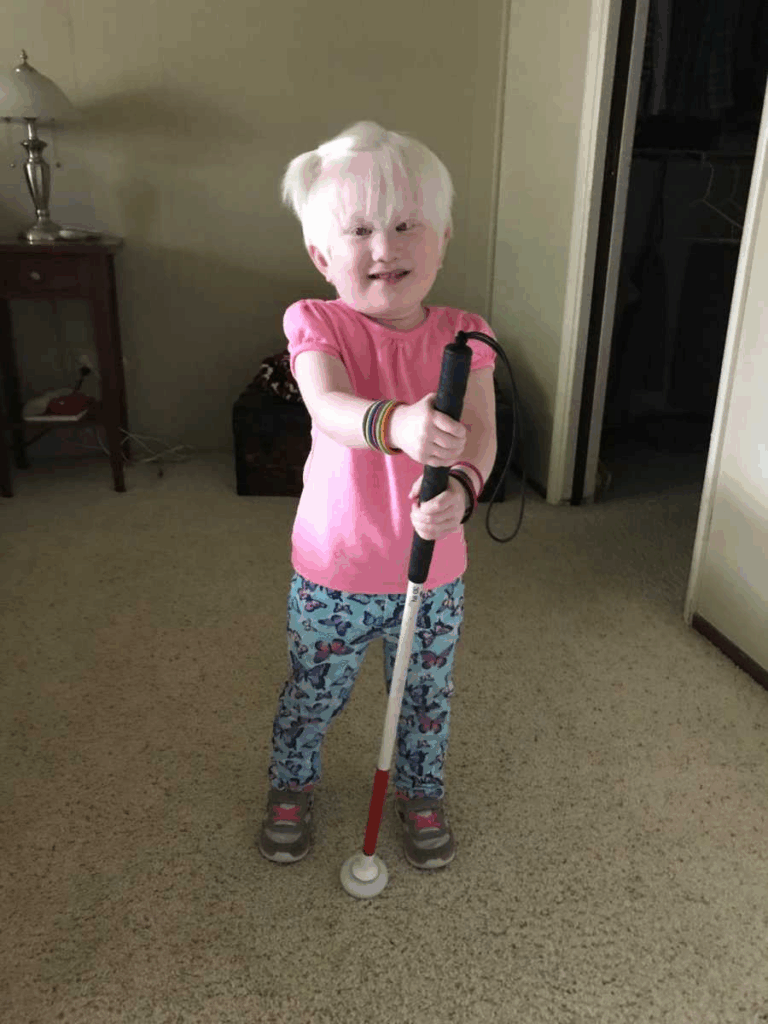
People call them saints, but they laugh at that. Saints don’t snap at kids over spilled juice or collapse on the couch after another endless bedtime routine. They are not perfect. They stumble, they fail, they question themselves. Yet every morning they rise, ready to love again and guide their children as far as they can. Their house is complete, their car crowded, and their days long, but their hearts are the kind of overflowing you can’t measure.
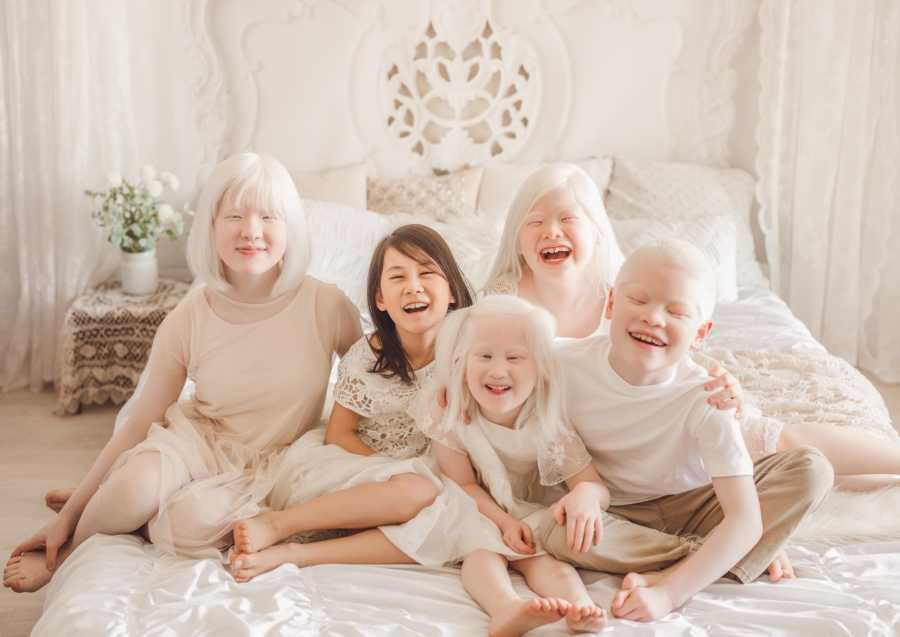
In the end, adoption was never about rescuing children. It was about family. It was about learning to see beauty where the world might only see difference and saying yes even when it felt terrifying. It was about discovering that life’s best adventures are often the ones no one plans.