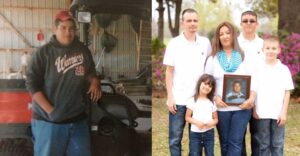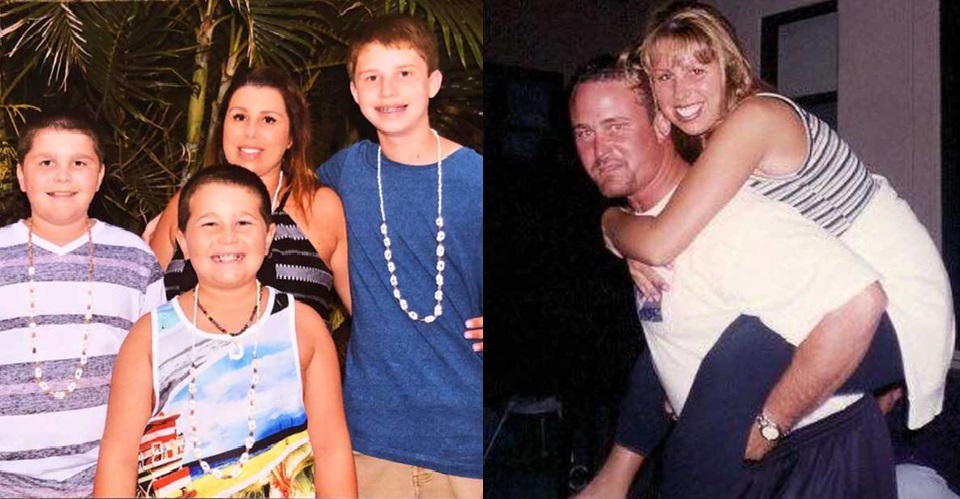
Cassondra Reynolds never imagined her life would change so much, so suddenly, or that she would spread awareness to others about something as ordinary as an energy drink. Living in the same picturesque Orange County community often shown in The Real Housewives of Orange County, Cassondra’s life seemed stable and full of love. But behind the glitz and calm of suburban life, she uncovered a danger few people talk about: how energy drinks are quietly harming and even killing people in communities like hers.
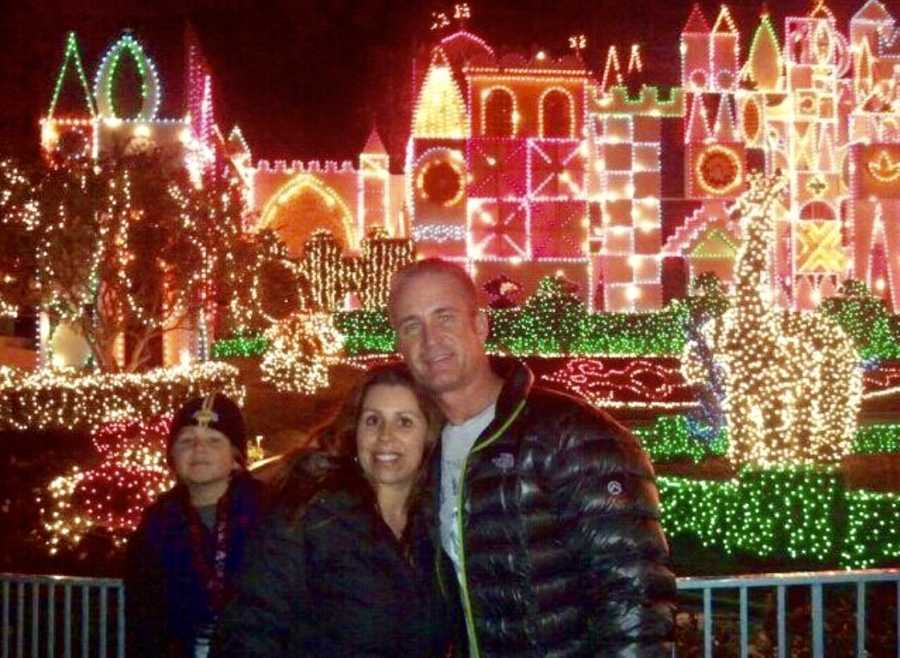
Her husband was only 41 years old, healthy, athletic, and full of life. He exercised daily and had recently passed a complete physical with flying colors. One night, as they slept, Cassondra woke to the sound of him gasping for air. In panic, she called 911 and watched as paramedics tried desperately to revive him. At the hospital, the doctors asked question after question: Did he use drugs? Was he diabetic? Was he on medication? Cassondra said no to every one of them. Then he asked, “Does he drink energy drinks?”
She told the doctors that he usually had only one energy drink a day on his way to work. By listening to her, the doctor told her something she never thought of. He explained that one energy drink can disrupt the heart’s rhythm and cause a serious heart problem called arrhythmia. He told her they were seeing more and more cases in the ER with heart issues linked to energy drinks. He said, “People drinking these drinks are playing Russian Roulette with their lives.”
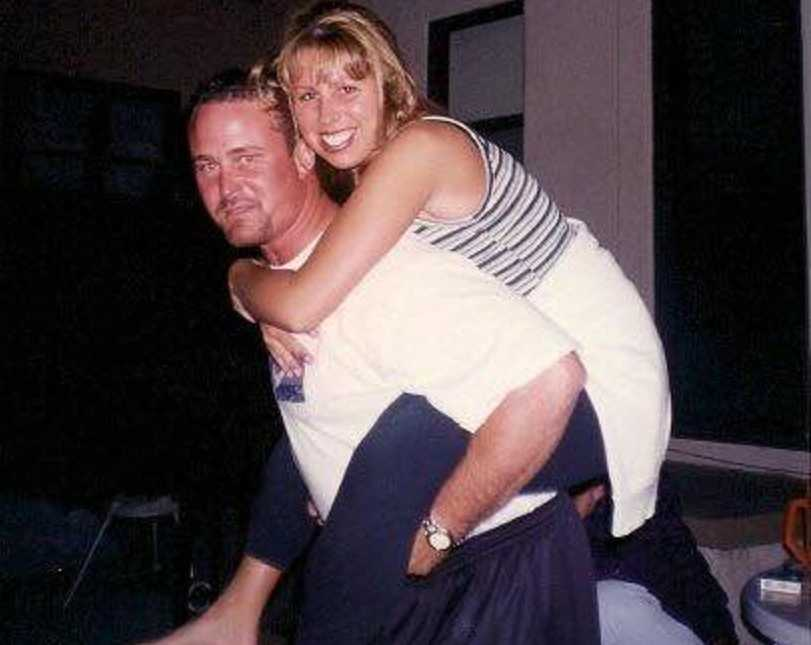
Cassondra never thought something sold in every grocery store could cause so much harm. She held onto hope for days, but despite every effort of the medical team, her husband’s brain continued to seize, and he was declared brain-dead. The day after their oldest son’s 9th birthday, she took their sons to meet their father for the last time. She remembers holding his hand and kissing him, refusing to let him go while he was on the deathbed, taking his last breath, monitors slowly going silent. Her husband of ten years was now gone. It was a shock.
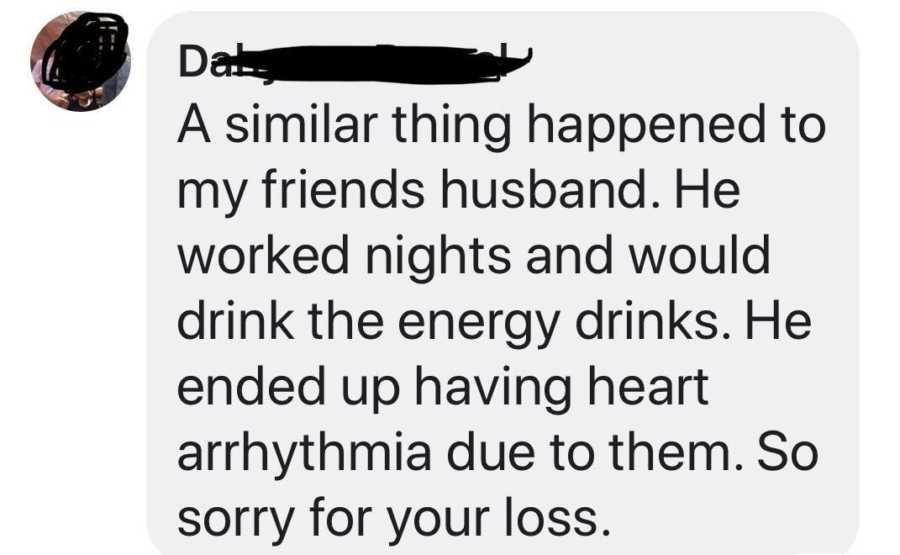
Later, Cassondra learned his organs were supposed to be donated to help others, but because of a mistake by the nurse, that call was never made. For weeks, she felt heartbroken, thinking that his death had no meaning. However, when their story was published online, hundreds of messages poured across the United States and worldwide. People thanked her for sharing. Many said they stopped drinking energy drinks after reading about her husband. One man admitted his wife had begged him for years to quit, but her story finally convinced him. Others realized that energy drinks caused the heart palpitations and chest pains they’d been ignoring. Doctors and teachers reached Cassondra, who wanted to use her story to educate their patients and students.
Some of the messages were from parents who’d lost teenage children, athletes who’d collapsed mid-game, and young adults now living with permanent heart or kidney damage broke her heart. The more she heard, the angrier she got. She realized that children could legally buy these drinks without being warned of the risks. She said, “This shouldn’t be happening. People need to know what these drinks can do.”
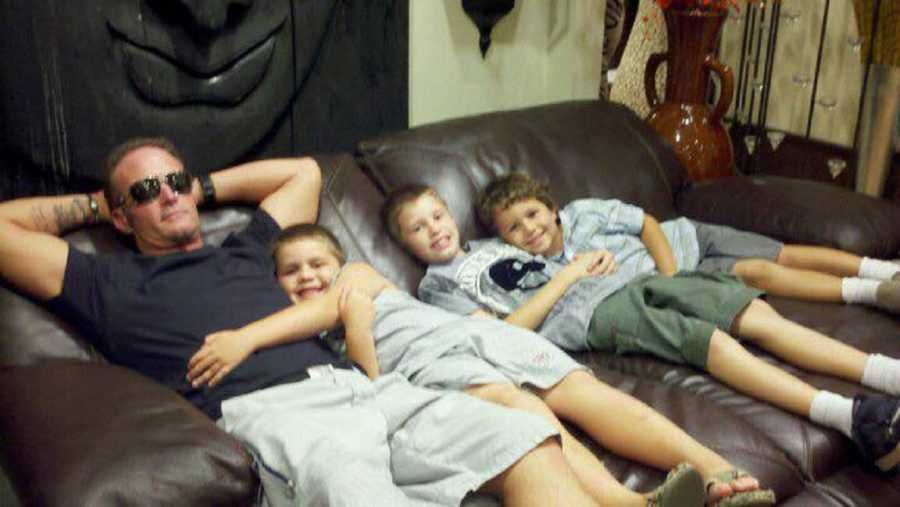
Determined to make a difference, Cassondra began public speaking about her experience. She’s shared her husband’s story at schools, youth organizations, and local clubs, warning teens and parents about the dangers of energy drinks. She hopes that by telling their story, more lives will be saved and regulations will protect others from suffering the same fate someday. Though she still grieves deeply, Cassondra now finds comfort in knowing her husband’s death has already changed lives. “His organs weren’t donated, but if his story saves even one person, then his death wasn’t meaningless.”