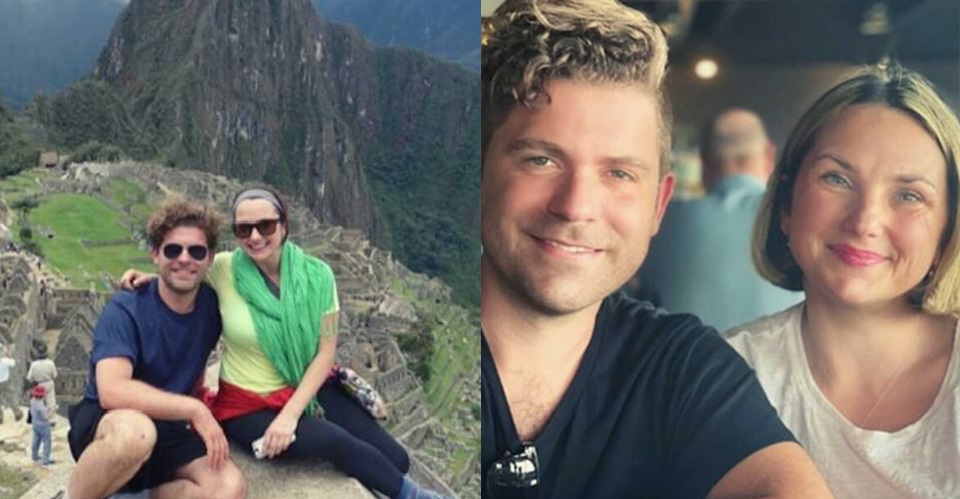
We didn’t get the ending we planned, but we still got the love we were after, and that love is enough to fill a home. After her thirtieth birthday, Anya left an abusive relationship and told herself she was done with dating. She had a plan: build a big career, become a single mom one day, and take care of her child the way she had always taken care of herself. Then she met Matthew at a crowded pub, two strangers sharing a community table. He was warm, steady, in a band about to release an album. She handed him her card. Three days later he called, and a simple plan to hang out turned into something that felt rare.
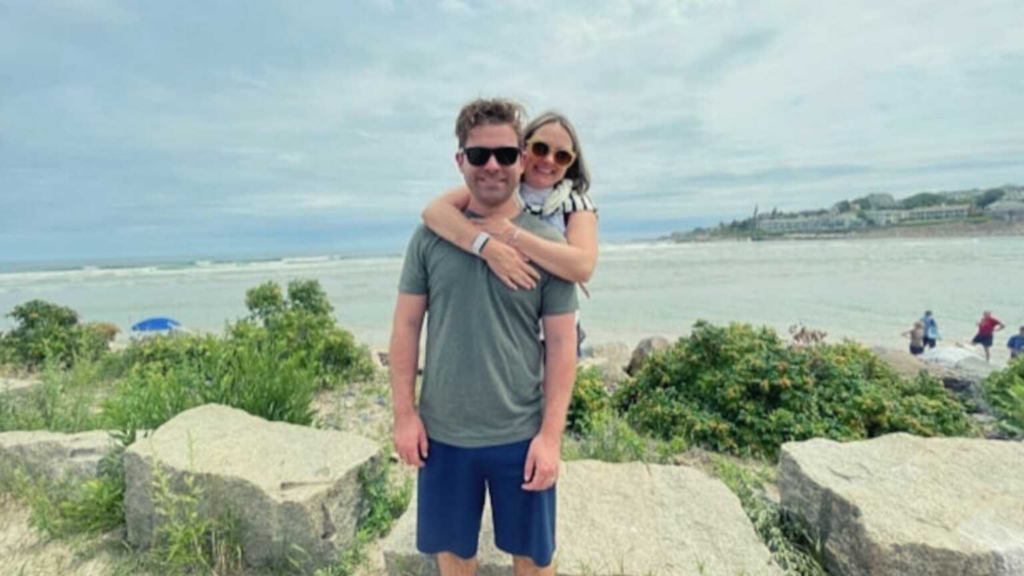
What drew her in was his patience and kindness. On their first date, a lonely traveler kept interrupting, and Matt welcomed him without a hint of annoyance. Anya felt her shoulders drop. With him, things were easy. She decided not to forecast the future and just enjoy what was in front of her. Within months they were picking vacation spots and tossing around baby names. He proposed at home in May 2015 with a song he wrote. They married the next year. Life felt bright.
They started trying for a baby right away. Month after month, nothing. Friends moved on to their second children while Anya stocked ovulation sticks and followed doctor’s orders to “give it time.” She worried. She had already lived through so much: immigrating from Russia at eighteen, learning a new language, carrying childhood abuse, building a life from scratch. She longed to rewrite her story with noisy holidays and love that broke old patterns. After a year, her OB prescribed Clomid. The side effects were brutal, mood swings that set off arguments neither of them wanted. Finally, two pink lines appeared and then vanished. A chemical pregnancy, the doctor said. It was “a positive sign” but felt anything but. Baby showers came and went; Anya smiled for photos and cried in the car.
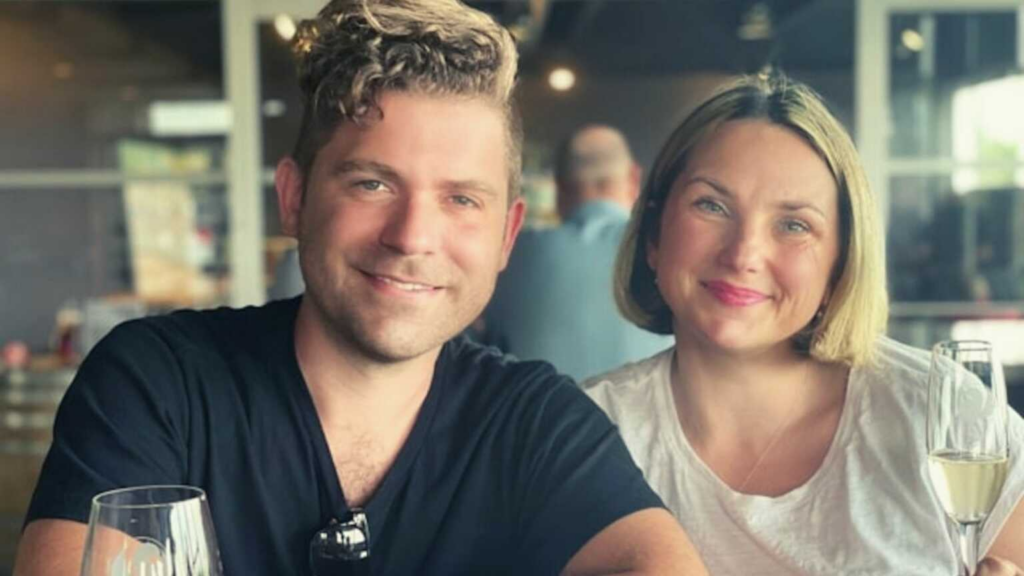
A reproductive endocrinologist listened carefully, ordered baseline tests, and then retired weeks later. Starting over meant repeating everything, blood work, imaging, the bills, and it crushed them. A new doctor found a fibroid and Hashimoto’s disease and started thyroid meds. In early 2019, another positive test, hope swelled, then bleeding and an empty sac. On Easter morning she miscarried at home. Days later she spiked with pain and an infection sent her to the hospital. Through the haze she noticed Matthew’s eyes: grief, love, fear. She realized the gift they had in each other.
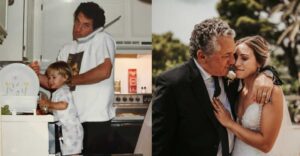
Loss kept stacking. Matthew’s mother had died young, five months after their wedding. Anya felt time speeding up, her body betraying her. She pushed him away, told him to leave her for someone who could make him a father. He held on. A third specialist diagnosed adenomyosis and recommended IVF. Their start date aligned with his mom’s birthday, then the pandemic delayed it. Anya gave herself the shots, documented the process, and tried to believe. Nine eggs retrieved, six embryos lost within days, then another after testing. Two remained. They transferred in August. The due date would have been his mother’s birthday. Symptoms teased them, but the test was negative.

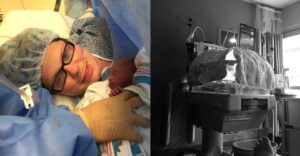
They tried a second transfer in December. Another no. That winter blurred. On January 4, Anya turned thirty-seven, and learned she was pregnant naturally. Bloodwork rose well. Then spotting. An ultrasound tech asked questions that told Anya the ending. Sharp pain hit on a Sunday. It was ectopic. Surgery took an ovary, but her pregnancy hormone kept rising. A second surgery revealed the truth: her uterus was ravaged by adenomyosis. There was no healthy tissue left. She had a hysterectomy. Five years after they started trying, their path to carrying a pregnancy ended.
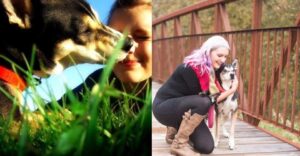
The aftermath was lonely. People pulled back, unsure what to say. Anya found a different kind of village online, an infertility community that understood every acronym and ache. For a moment she surged toward the next options, adoption, surrogacy, then paused. They needed to breathe. They were so focused on building a family, they had forgotten they already were one. She and Matthew poured love into each other and their rescue dogs, Violet Esther and Rocco, borrowing cherished baby names for wagging tails.
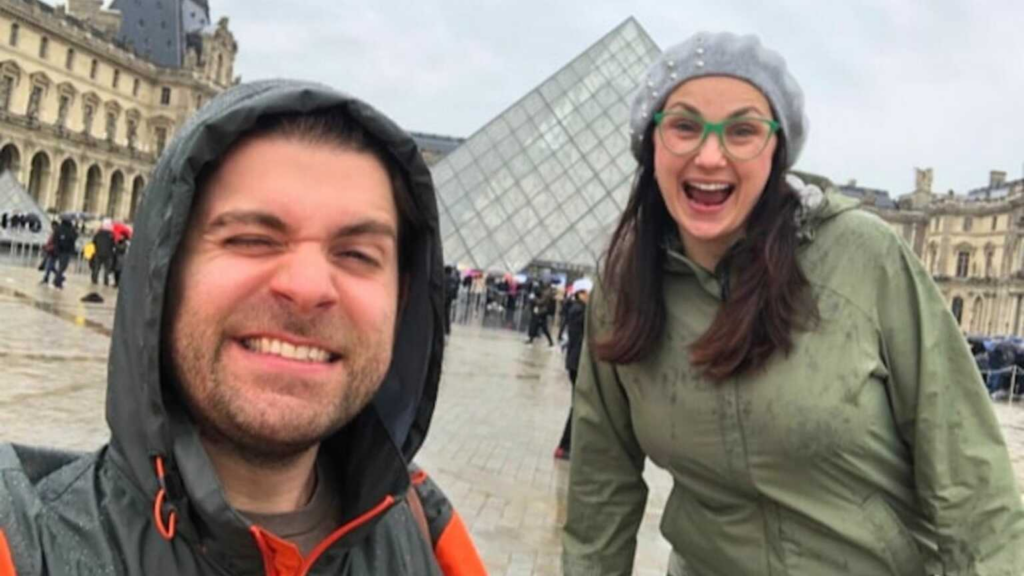
She let go of shame. Infertility had not happened because she failed at trying hard enough. It happens to many. She learned to speak openly so someone else would feel less alone. She stopped calling herself broken. She is whole. She is a partner, a friend, an advocate, a dog mom, a woman who survived and kept her heart open. If nothing else in her life had gone right, one thing did: she found Matthew. She wanted a house full of love. She has one.