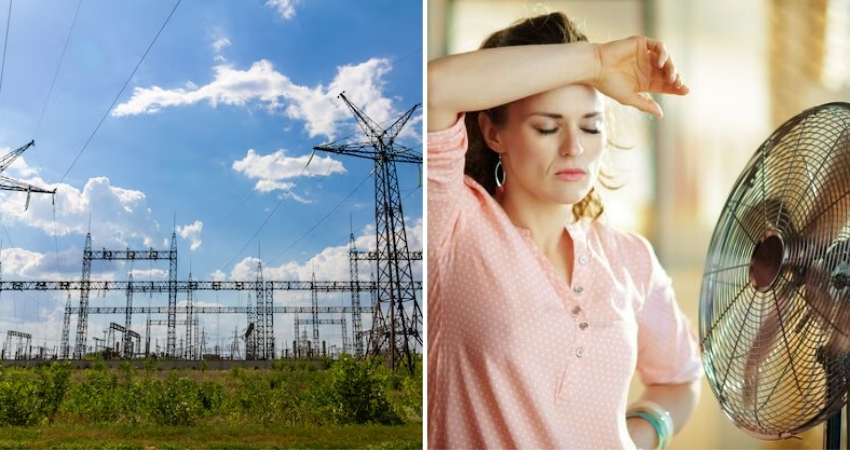
Britain’s electricity grid came under major pressure this week as the ongoing heatwave forced the country to pay huge premiums for emergency power imports from Europe.
On Wednesday evening, the UK paid nearly £1,400 per megawatt hour for electricity from the continent — around 1,600 per cent higher than usual and roughly 15 times normal wholesale prices.
The National Energy System Operator (Neso) rushed to secure extra supply after domestic power generation from solar and gas plants failed to keep up with soaring demand.
The emergency imports, worth up to 2.3 gigawatts and mainly sourced from the Netherlands, added an estimated £11 million to consumer bills in just one evening.
Neso also needed special approval from the European Union to complete the purchase, as several European countries had limited electricity exports to protect their own supplies during the extreme heat.
The grid operator has now issued a second electricity margin notice this week, warning supplies could come under pressure again on Friday evening.
Neso is seeking an extra 700 megawatts of generating capacity between 7pm and 10pm to help prevent potential shortages.
A spokesman said forecasts showed “tight margins on the electricity system” for Friday evening, blaming the pressure on “extremely high temperatures affecting Great Britain and the continent.”
The warning follows Wednesday’s emergency, although Neso later withdrew that day’s alert after becoming satisfied with supply levels.

The operator stressed that these notices are a routine precaution and do not mean power supplies are at immediate risk.
Temperatures hit 36.7°C in Somerset on Thursday, provisionally marking the hottest June day on record.
Energy experts have heavily criticised Neso’s handling of the situation, accusing the operator of underestimating electricity demand.
Noémie Baud from Montel said Neso may have miscalculated demand by as much as three gigawatts — equal to the output of three nuclear power stations.
“Neso appears to have underestimated the number of offices we have in the UK,” she said.
“The UK has countless shops, businesses and industrial sites using air conditioning, and that extra demand clearly matters.”
Kathryn Porter from Watt Logic was also critical, saying Neso failed to predict the shortfall because of weak modelling, forcing it to rely on extraordinary measures.
She added that fluctuations in grid frequency the night before had already signalled mounting pressure, saying Neso effectively had to “beg” for extra electricity.
Several factors contributed to the crunch. Multiple gas-fired power stations were offline for planned summer maintenance, something Fintan Devenney from Montel EnAppSys suggested may need rethinking as heatwaves become more frequent.

EDF confirmed that four of Britain’s ten remaining nuclear reactors were offline — two for scheduled repairs and two due to unexpected maintenance.
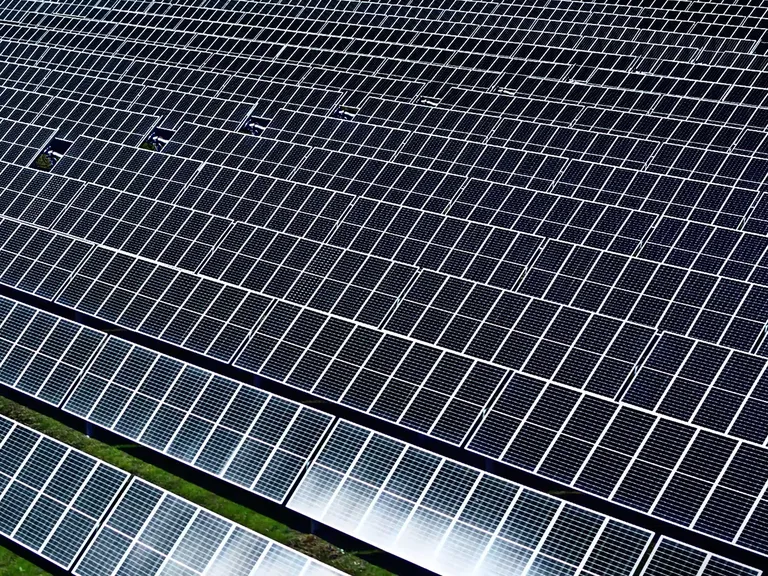
The intense heat also reduced solar panel efficiency. Lydia Davies from LCP Delta explained that solar panels generate less electricity in extreme temperatures.
Nuclear and gas plants also faced heat-related challenges, with cooling systems struggling under the conditions.
In France, several nuclear plants that rely on river water for cooling were forced to cut output or shut down completely because water temperatures had risen too high.