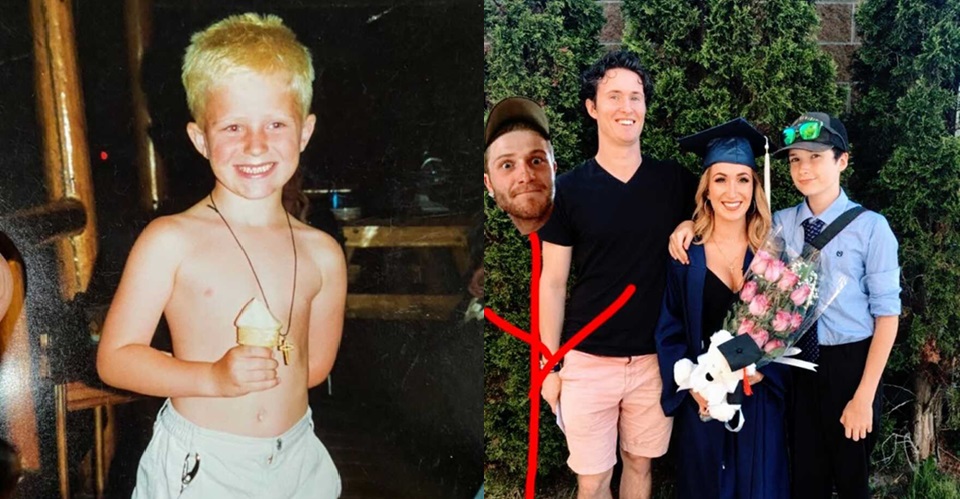
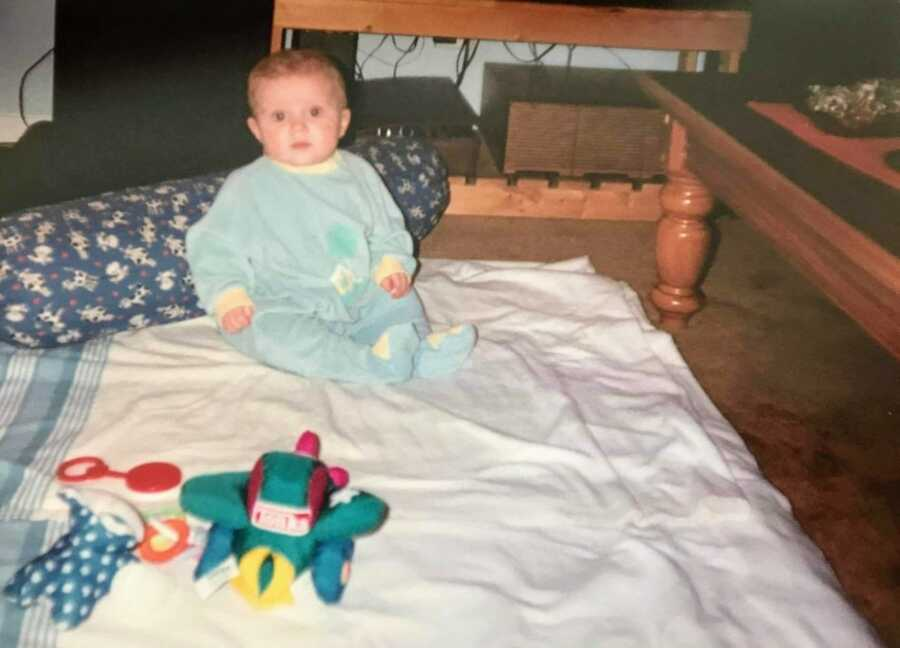
He was loved while he lived, and loving like him is how we keep him here. Adrian arrived like sunlight. He took his time being born, choosing the summer solstice as if he already knew he wanted the longest day. His mother called him sunshine, and it fit. He was the first of four, lively even before birth, and bigger than life from the start. Seventeen months later his brother, Caleb, came along. Adrian adored him, then realized the baby was staying, and soon decided to be his voice. Outgoing beside Caleb’s shyness, he could read his brother’s feelings before Caleb could name them.
People remembered Adrian. He made strangers feel seen, friends feel special, and family feel cherished. His mother called him the love bug because he gave love so freely. He was funny, sincere, and wide open. At a summer camp he picked up the violin and learned three songs in a day, dropping into a quiet trance when he played. He didn’t take the college path and sometimes felt smaller for it, but his work told a different story. As a mover, he pushed through heat and long hours and made each client feel like the only one. He dreamed of his own big truck and a road stretching ahead. On his forearm he’d inked 1 plus 1 equals 3, his reminder to give more than one hundred percent. Heritage mattered to him. So did family dinners, car rides with whistled tunes, and bear hugs in crowded high school hallways while Caleb pretended not to know him.
Adrian was tender and humble, quick to listen, and full of music. He forgot about socks and chores because his mind lived where people mattered most. Then came May 21, 2019. In the quiet hours of night he died by suicide. The shock bent time. His youngest brother found him, a pain no one should carry. At the graveside, a butterfly slipped into the air as the casket lowered, the first of many small signs that felt like Adrian saying I am still here.
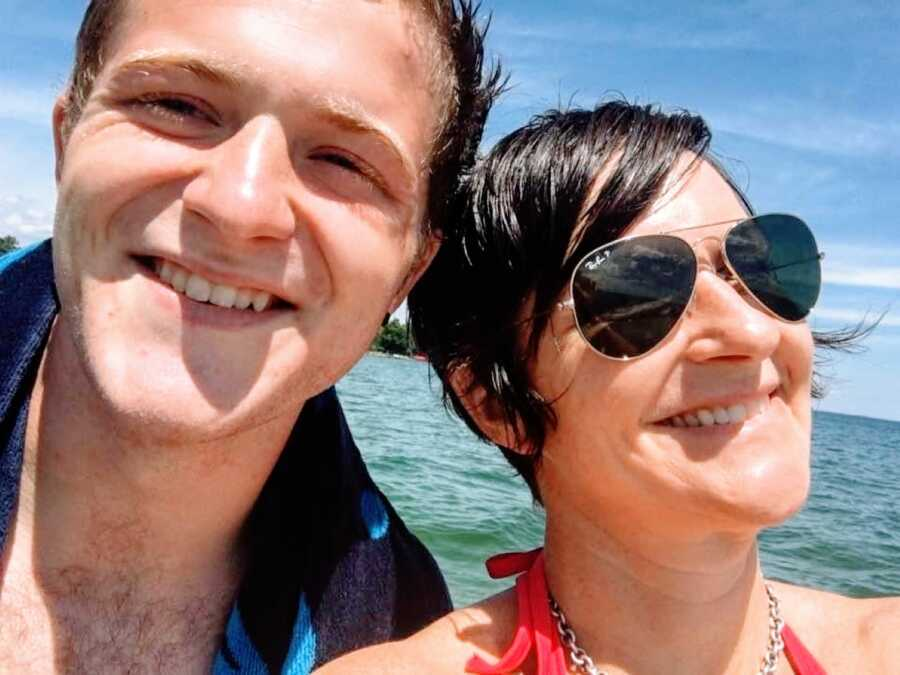
His mother refused to let the end define him. She spoke plainly about suicide because silence adds shame to an already heavy grief. In the beginning, memories were sharp and unbearable. Nights were long. Anger felt safer than despair. She tried support groups, therapy, and church. Some paths did not fit. She turned toward the spiritual work that had helped her get sober years earlier. She listened, read, and learned to let the ache move through. One night Adrian visited her in a dream. Stop looking for who I was, he said. I am alive with everyone around you. That became a hinge in her healing. She chose to find blessings, not by pretending away the loss, but by looking for love wherever it still lived.
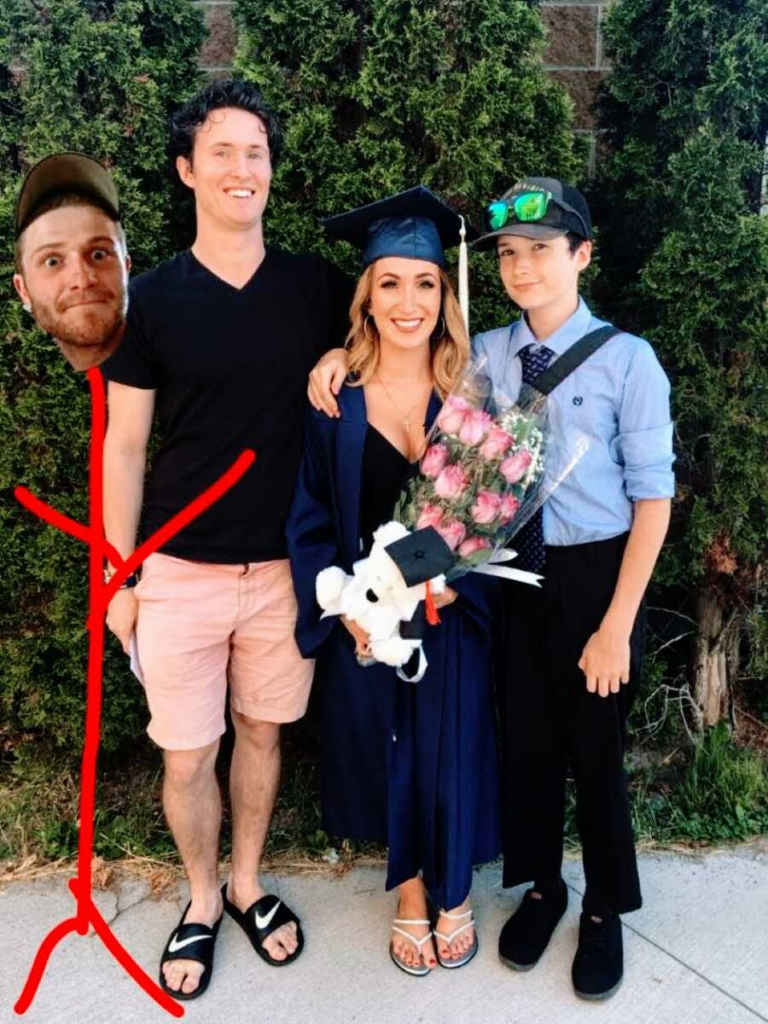
She began to feel him in small ways and in big ones. In the quiet morning, she wrote to him and listened back. In a book she found a frame that fit her heart: he is everywhere now, in his best and truest form, joyful and whole. Relationships, she decided, do not end at death. So she talks to him daily and tries to carry his way of loving into every room. She gives that same attention to Caleb, Sydney, and Philippe, knowing they grieve in their own ways. She lets herself cry more than she used to. She is honest when she cannot watch old videos or visit the grave. She trusts that life will make room for those steps when it is time.

She does not excuse his choice and will never fully understand it, but she believes he did not choose to hurt anyone. She is grateful for the almost twenty-four years she got to be his mother. He taught her to be present, to notice how people breathe and speak and move, to listen past the surface. He nudged her to judge less and love more. Grief is now her classroom and her calling. She trained as a Master Grief Coach, writes the book that is asking to be written, and keeps a promise to show her children that healing is possible. Adrian will always be sunshine. He lived big, and the love he spread did not stop. His mother carries it forward, one honest conversation at a time, turning pain into a gentler place for others to land.