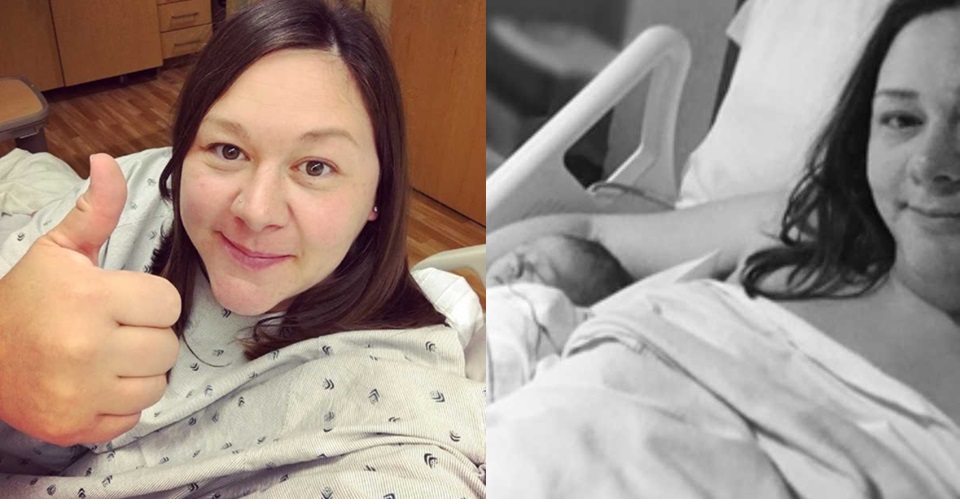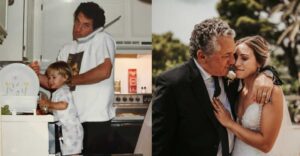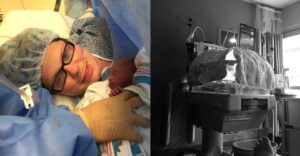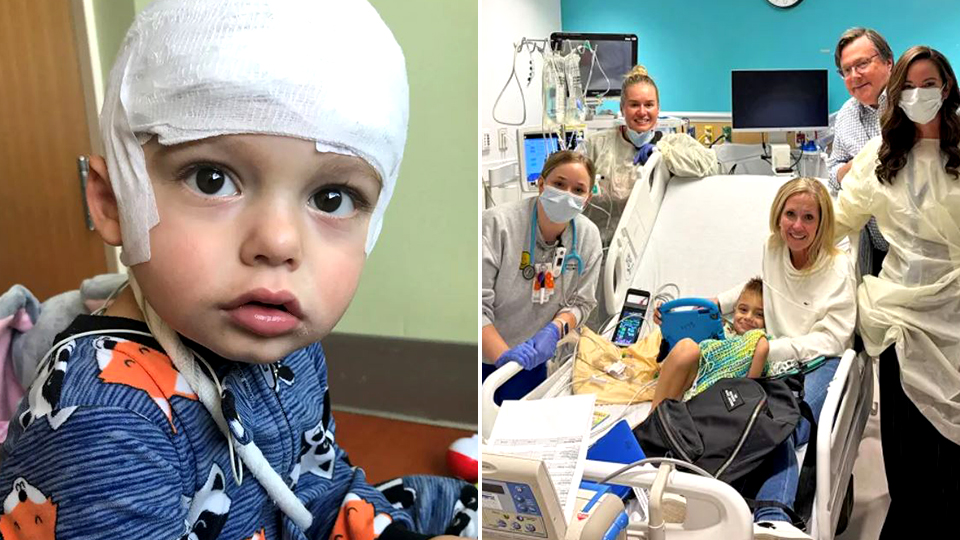
When Amber Freed’s son Maxwell was born, he came into the world with a shadow hanging over him, a disease so rare that doctors couldn’t even name it. It was a condition known as SLC6A1, a cruel genetic disorder that can steal childhoods with epilepsy, movement and speech difficulties, and cognitive challenges. The official verdict was grim: there was no cure. But for Amber, surrender was never an option.
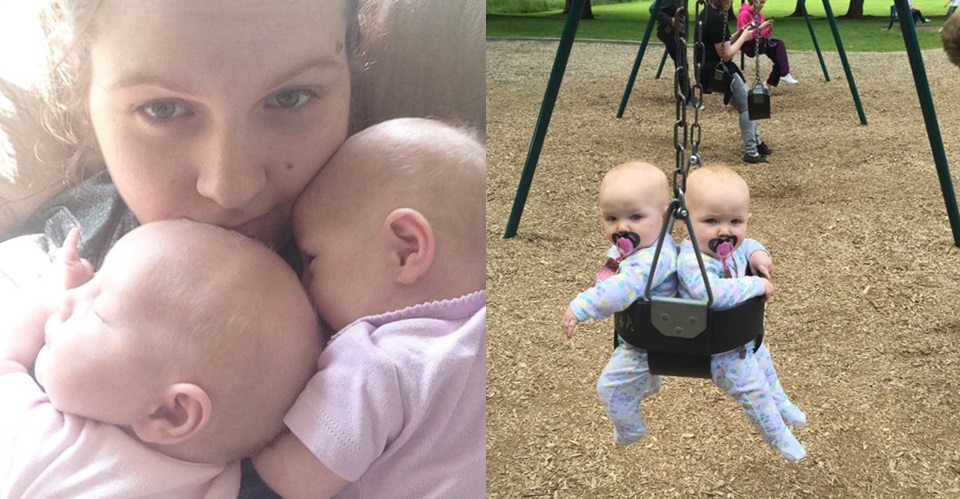
“I remember sitting in that hospital room, holding Maxwell, and thinking, I will find a way,” she recalls. Her determination was fueled not just by love, but by the memory of the long journey to bring him into the world. Maxwell had arrived in 2017 after two years of IVF treatments, alongside his twin sister, Riley. By the summer of 2018, when the diagnosis came, Amber’s protective instincts surged into action.
The following years were a relentless blur of research, fundraising, and advocacy. She poured every ounce of herself into finding a treatment. Sleepless nights became her constant companion. “Every single time I tried to sleep while creating this treatment, I could hear a clock ticking above my head because that’s Maxwell’s life,” she says. The pandemic only amplified the urgency, stalling research worldwide and leaving Amber feeling “helpless” as precious time slipped away.
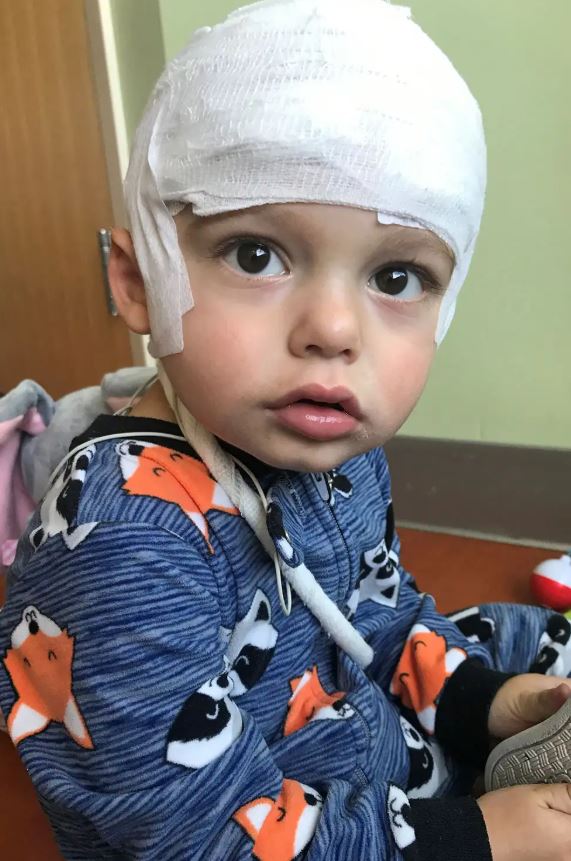
But she refused to wait passively. By repurposing an existing FDA-approved drug, she bought Maxwell time, keeping his symptoms at bay while scientists and doctors raced to develop a more definitive treatment. Working with genetically-engineered mice, then pigs, Amber and a team of researchers tested and refined a gene therapy that could, for the first time, address the root cause of Maxwell’s condition.
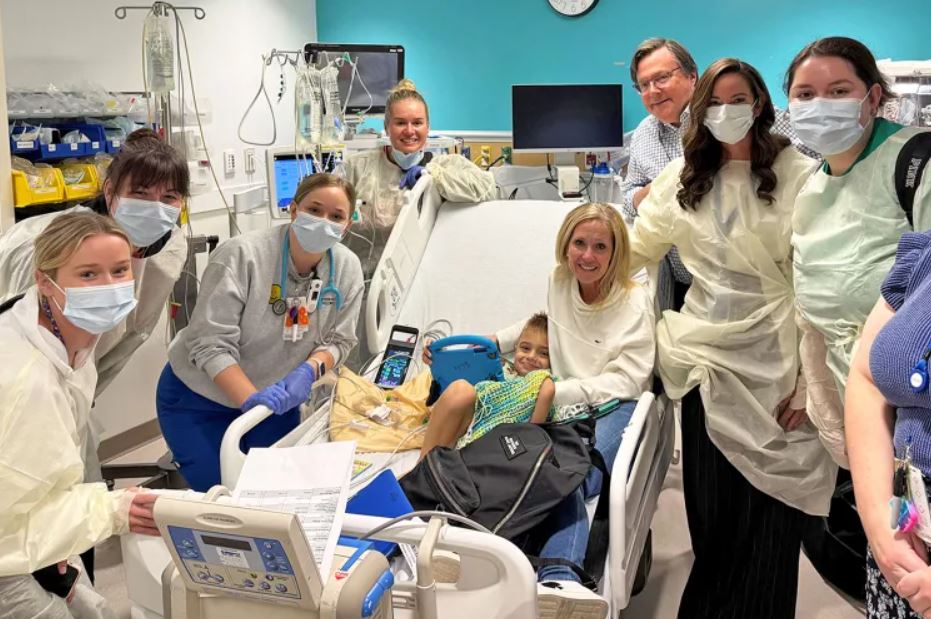
Finally, in September, all of that tireless work came to a moment of quiet triumph. In a hospital room filled with doctors and nurses, Amber watched as Maxwell received the treatment that had been years in the making. “We have all of this evidence, this treatment works, these kids have no other choice,” she told the FDA. And when she asked if the therapy could eventually help other children, the answer came back: yes.
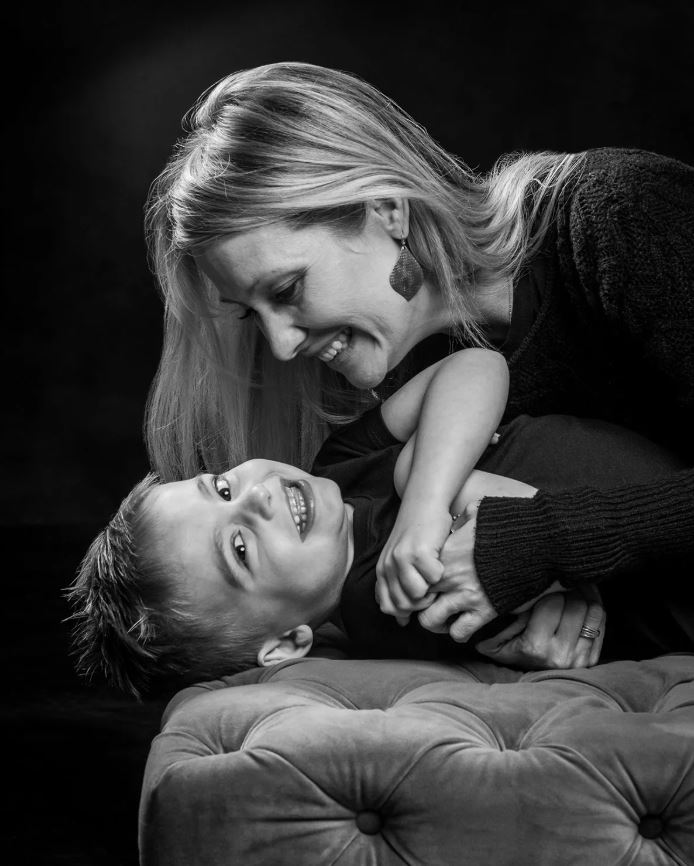
The doctors involved call Maxwell a pioneer, a tiny hero. Dr. Kathrin Meyer, Amber’s “guardian angel” in the lab, explains, “That first patient is the highest risk because there could be things that just don’t show up in an animal model. And those are really heroes, these kids.” Dr. Allison Bradbury, the principal investigator on the therapy, is cautiously optimistic. “It’s too soon to call this a cure, but we hope Maxwell will see lasting positive effects,” she says.

For Amber, the triumph is measured not in scientific milestones, but in moments: a clearer word, a steadier step, a smile that lingers. It is the quiet proof that a mother’s love, paired with tireless determination, can bend even the harshest odds. Maxwell’s story is just beginning, but already it shines as a beacon of hope, for him, for Riley, and for every family fighting against the impossible.