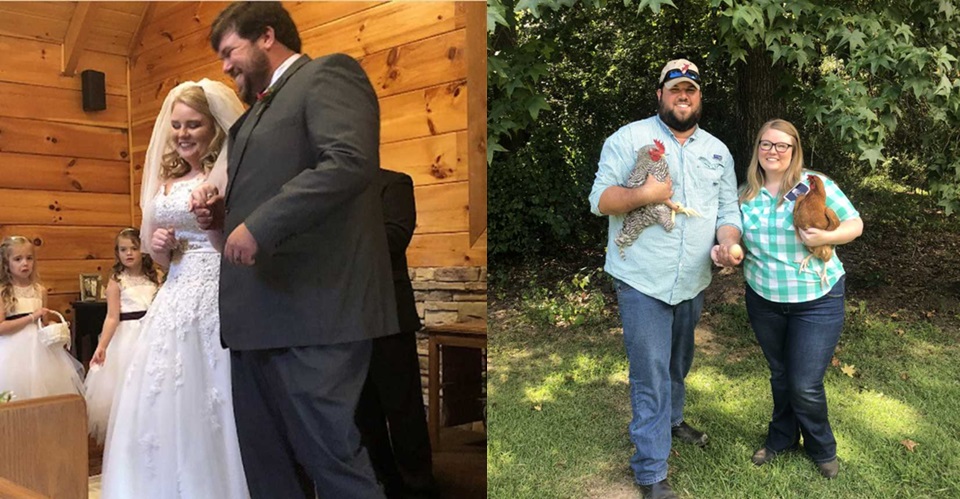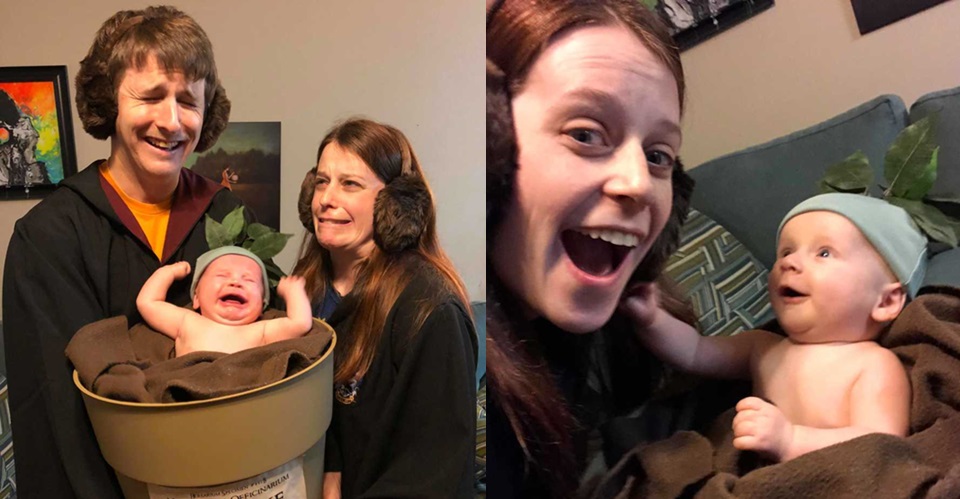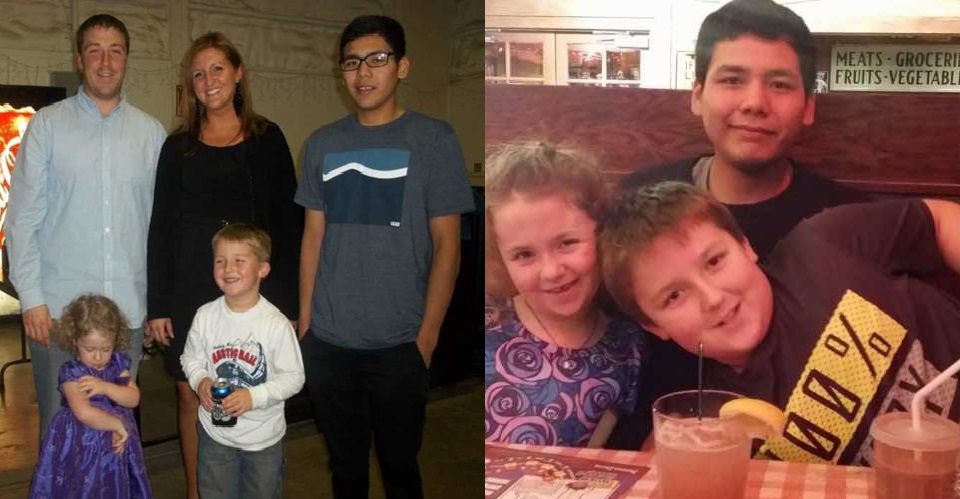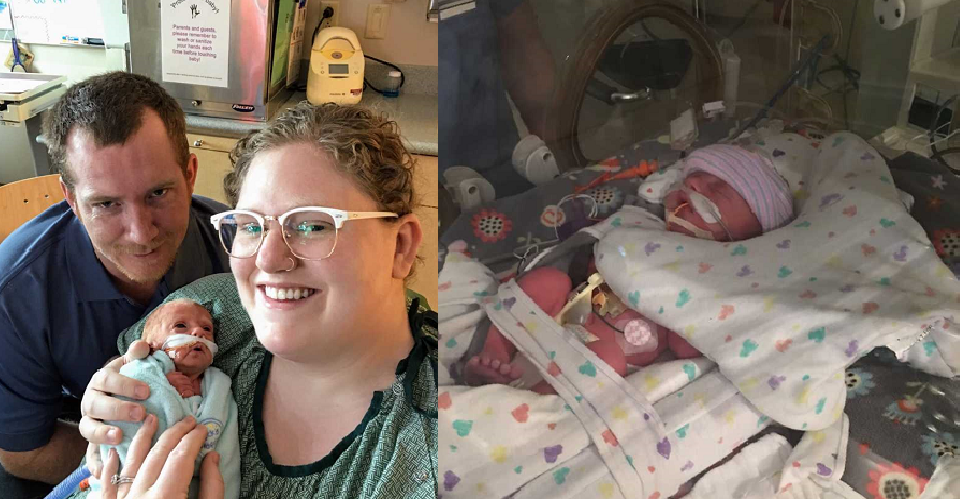
She and her husband had been together for 15 years, married for three, and already had two sons they loved dearly, Rylan, 11, and Easton, 5. When she discovered she was pregnant again, she was thrilled and hopeful. They later found out this baby was a girl, and they couldn’t wait to meet her. Everything seemed to be going well until her body began showing signs that something was wrong. At around 30 weeks into her pregnancy, she began to notice swelling in her hands, feet, legs, face, and even lips. She also experienced pressure behind her eyes and saw black spots.
At first, she assumed it was normal third‑trimester changes. But when her doctor’s office called with results from her 24‑hour urine test and said, “You do have preeclampsia,” her heart sank. She had already had preeclampsia before with her first pregnancy, but that was at 38 weeks near her due date. This time, it was much earlier, and that made everything scarierShe went to Labor and Delivery thinking she would be monitored briefly and sent home, like before. But when the nurse checked her blood pressure, it was dangerously high, 186/120, and she was told, “I can tell you right now you probably aren’t going home tonight.” Her mind raced with fear.
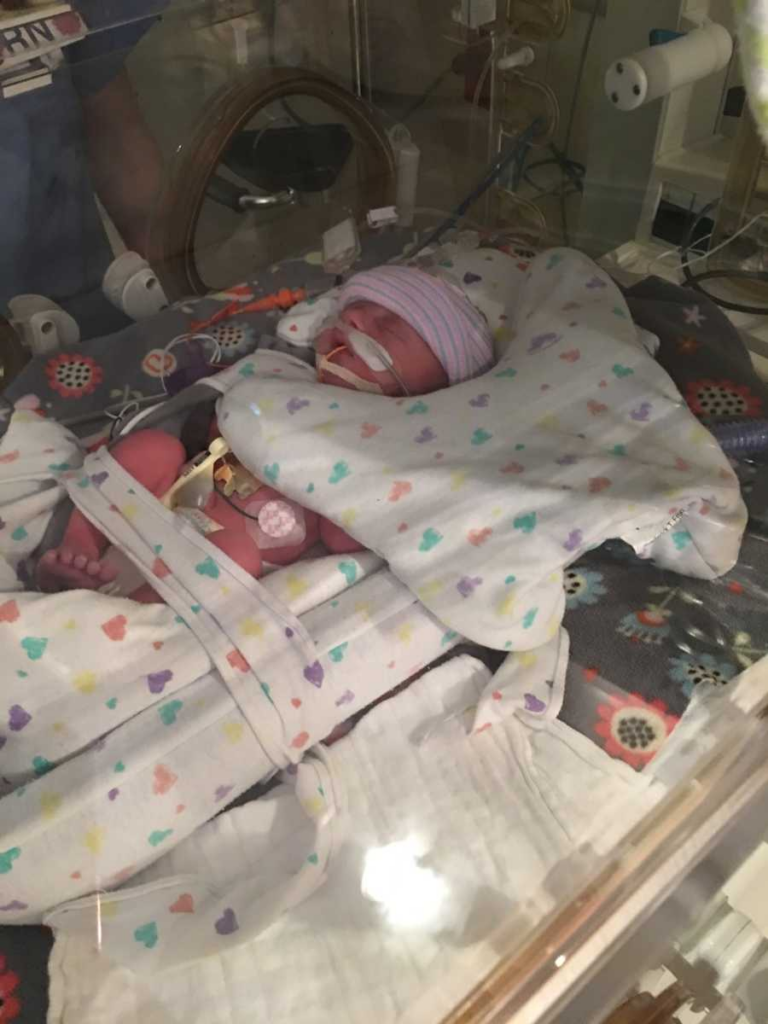
Her husband was three hours away finishing work, and she worried about her boys. She called her mom to come help. In the hospital, the doctors took many blood tests to check her liver and kidneys, because preeclampsia can damage these organs. Her results came back okay, but her blood pressure was still high. She was given medicine to lower it so that she could avoid a seizure. They watched her closely, and after a night in the hospital and an ultrasound showing her baby was still okay, she was sent home with blood pressure medications Norvasc and Labetalol to manage things for now. Just a week later, she went to her regular obstetrician appointment.
The ultrasound and checks showed that her blood pressure was still far too high and that her kidneys were being affected. Her doctor told her to go back to the hospital immediately. She was frightened and called her family to care for her son before she left. At the hospital, the doctors prepared her for a C‑section because her condition had become too dangerous for her and the baby. She was only 31 weeks pregnant, far too early by typical standards, and preeclampsia can become life‑threatening quickly. Getting an IV for the procedure was painful and took many tries, but eventually it worked. Once in the operating room, nerves and fear overwhelmed her.
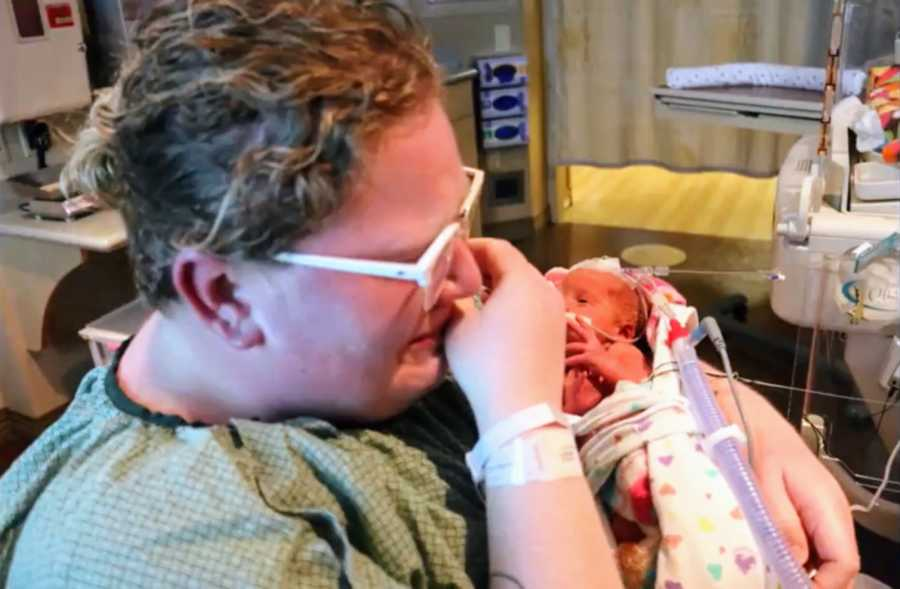
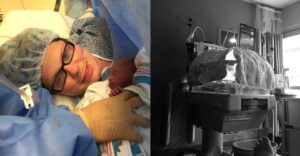
She was terrified but knew there was no choice; they needed to deliver her baby to keep them both safe. During the surgery, she could smell and hear things that scared her, but soon she heard something even more real: her baby girl’s tiny cry. Her daughter was born tiny but alive, weighing just 3 pounds 12 ounces. The nurses wrapped her carefully to keep her warm. After the delivery, she was placed on a magnesium drip to prevent seizures. Because of the risk and the medicine, she couldn’t see her daughter for the first 24 hours. Once she was able to go up to the NICU, she was overwhelmed. Her baby was tiny, hooked up to tubes and machines, and it hit her all at once, joy and fear together.
She got to hold her daughter, feeling her fragile body in her arms, and it was both beautiful and emotional. Despite the fear and the physical challenge of recovery, she visited her daughter every day, usually from late morning to early afternoon. Each visit was hard, filled with worry, love, and strength. Her baby fought and grew stronger every day. After five and a half long weeks, her daughter was finally able to come home. It was one of the happiest days of her life. But the challenges didn’t end there. At a postpartum appointment, she learned she was struggling with PTSD.
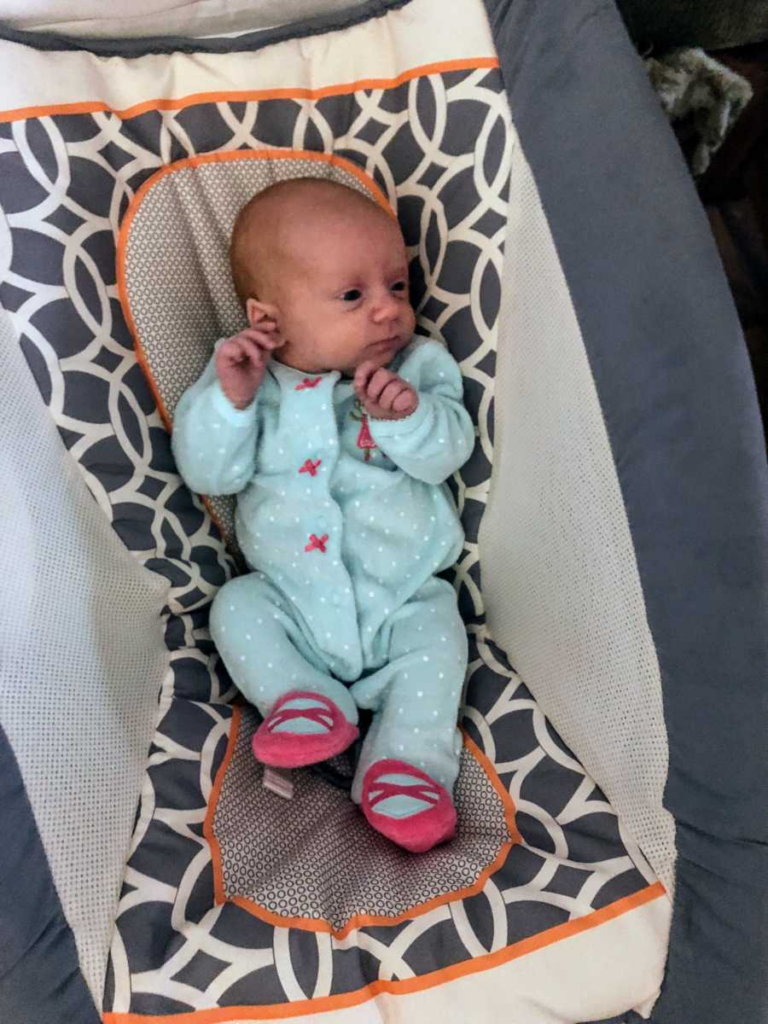
She had nightmares, intense anxiety, and emotional triggers she hadn’t expected. She felt guilty for her strong reactions, thinking PTSD was something only people who endured extreme trauma should have. But her nurse practitioner helped her understand that what she went through was traumatic, and her feelings were valid. Now at home with her healthy daughter, she reflects on everything she endured: the fear, the pain, the strength, and the love. She knows she fought not just for her baby’s life, but also for her own. One day, she hopes to tell her daughter the whole story about how much she was wanted, how hard her mom fought, and how deeply she was loved.