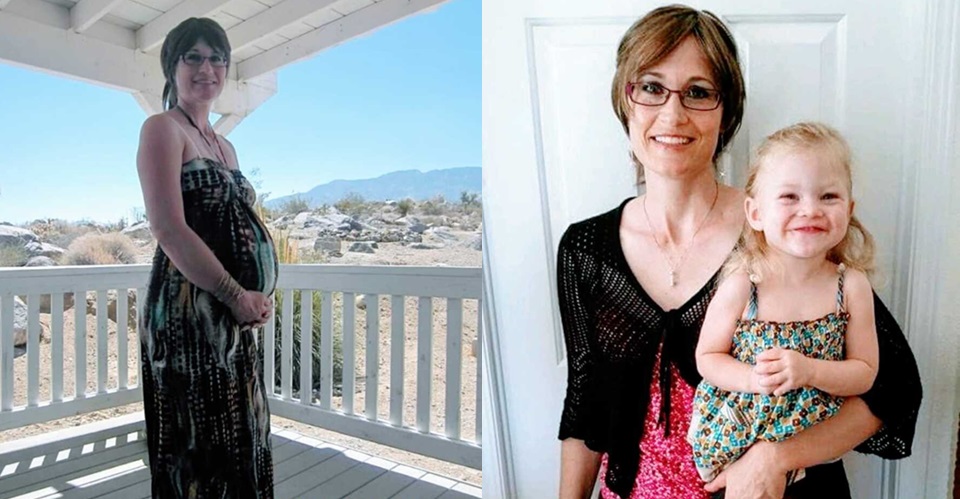
The plain truth she carries forward: education saves time, persistence saves lives, and when your body whispers that something is wrong, you speak up until someone hears you. She never imagined pregnancy could come with cancer. Cindy was on her fourth baby, and for once, everything felt easy. She and her husband already had three children and nearly fifteen years of marriage behind them. This time, she felt strong and well until the itching started. Tests ruled out infection. Her doctor said it might be hormones. Then came real contractions, weeks too soon, with no clear cause. Living half an hour from the hospital across a lonely desert road, she worried she would not make it in time.
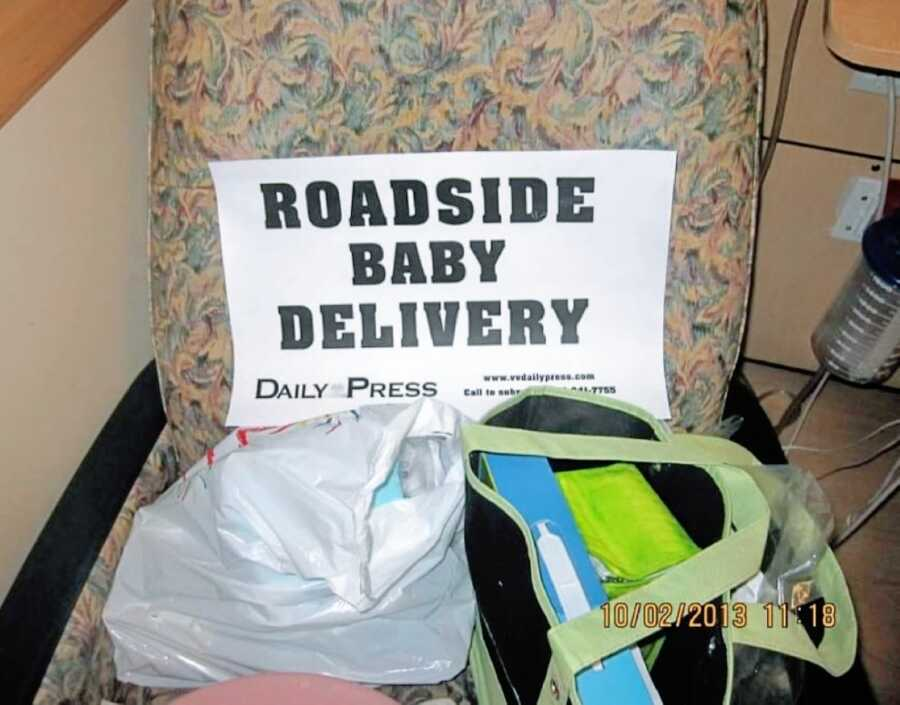
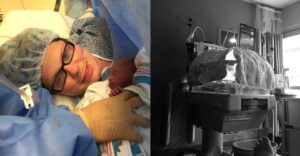
She was right. Labor hit fast. Her water broke in the truck three miles from home. An ambulance met them on the dry lake bed and crawled toward town while she breathed through each wave. Near the hospital, the medic told her to push. Her daughter arrived safely in the back of the ambulance with one push. At the hospital, the placenta looked whole. Her baby spent a short time in the NICU and went home healthy. Cindy felt weak and dizzy. Nurses caught her when she almost fainted. She stayed anemic and did not feel like herself. Weeks of unusual bleeding followed. She was told it could be normal for an older mom, even while breastfeeding. Then one morning, she hemorrhaged. An ultrasound showed a strange cluster on the right side of her uterus, like a bunch of grapes.
Sent to a larger emergency department, she packed milk for the baby and assumed she would have a quick procedure. Instead, the bleeding worsened until it looked like a scene from a horror film. She refused to be sent home. After hours, doctors finally had an answer: choriocarcinoma, an aggressive cancer that starts in pregnancy tissue. They explained that her daughter had likely been a twin and that one embryo had not developed correctly, turning into cancer cells. The disease had already spread to Cindy’s right lung.
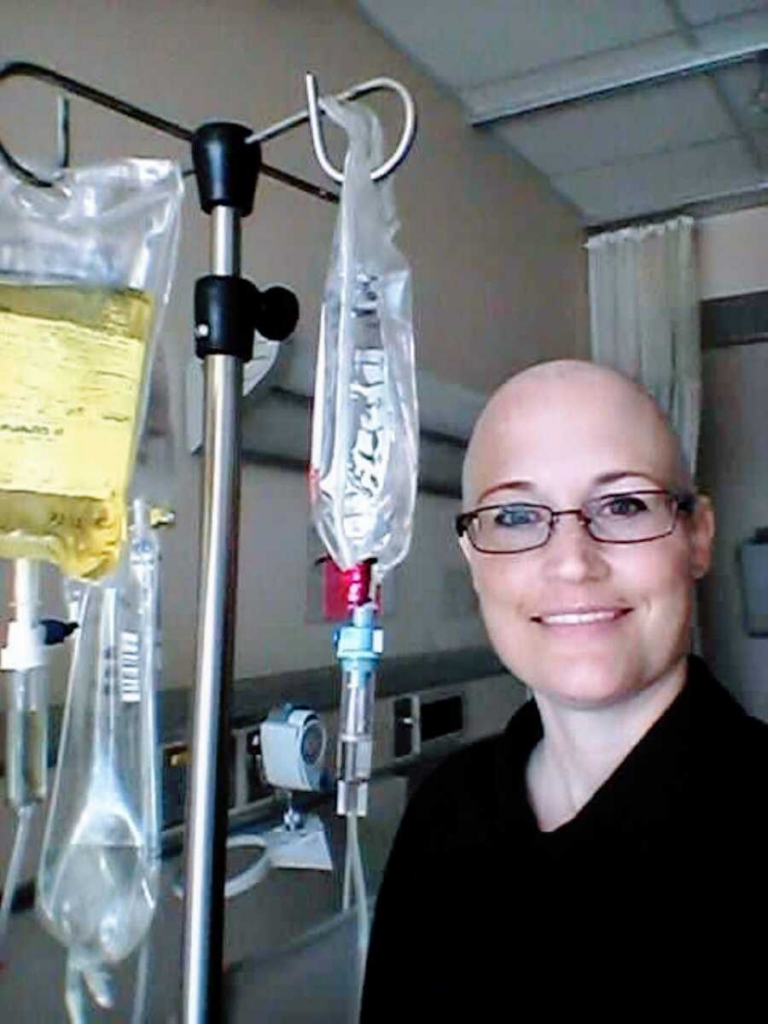
Treatment began two days later. A PICC line went in. What started as one chemotherapy drug a week became a rotating five-drug plan for almost six months. Some weeks she was admitted for days; other weeks she spent half a day in the clinic. She needed blood transfusions and dealt with low white cell counts. Nurses warned her to avoid sharing bodily fluids with her family while the drugs were in her system. That was heartbreaking with a newborn at home. She tried to nurse one last time before starting chemo, kissed her baby and husband, and stepped into the fight.
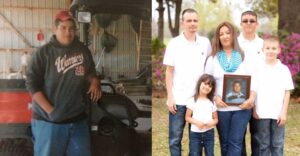
The science gave her part of the story. The rest came from faith, grit, and community. Answers arrived in pieces. The high pregnancy hormone made sense. The early itching and later contractions fit the timeline. The “grapevine” image matched the tumor on the same side as the lung spread. Through it all, she learned to ask better questions and to keep asking until someone listened. Years passed. Cindy beat the cancer, but life tested her again when her husband died suddenly at work. She was a widow with four children, including the daughter she had delivered in an ambulance. Grief did not erase her progress. It pushed her to grow stronger. She stayed open about the twin she never met, finding comfort in naming and honoring that life. She lived with side effects, adapted to a new normal, and kept going.
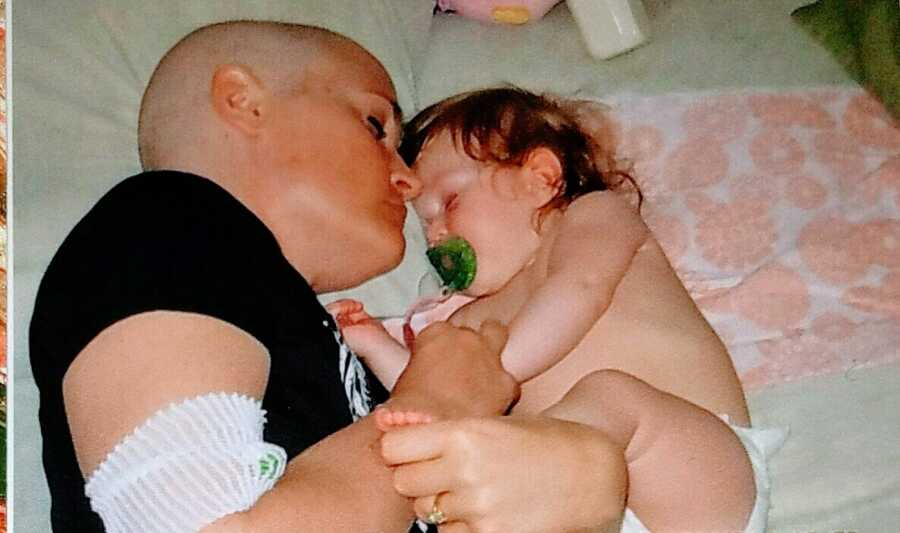
She was a survivor and an advocate. She writes, speaks, and connects with women worldwide who face gestational trophoblastic disease. She turns medical terms into plain words and fear into practical steps. She reminds families that strange symptoms are signals, not secrets. Her message is steady and simple: learn what you can, insist on answers, and remember that whole placentas and normal-looking tests do not always tell the truth. Her story began on a desert road and in a fluorescent hospital hallway, but did not end there. It moved into support groups, book pages, and quiet moments with her children. It is a circle of loss, healing, and purpose.