When her father made his last trip home through hospice, they needed to move the furniture in her parents’ home office to make space for him. The large bed with side railings was too big to fit into the second-floor bedroom. His dying wish was to be home. She assumed he wanted to end his life surrounded by the sounds he knew and the people he loved. He must have wanted a few more days in the familiar world he was about to leave forever.
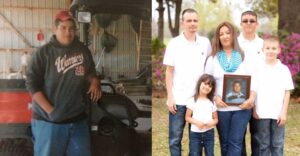
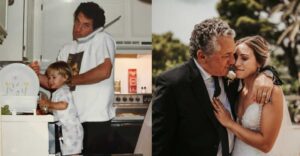
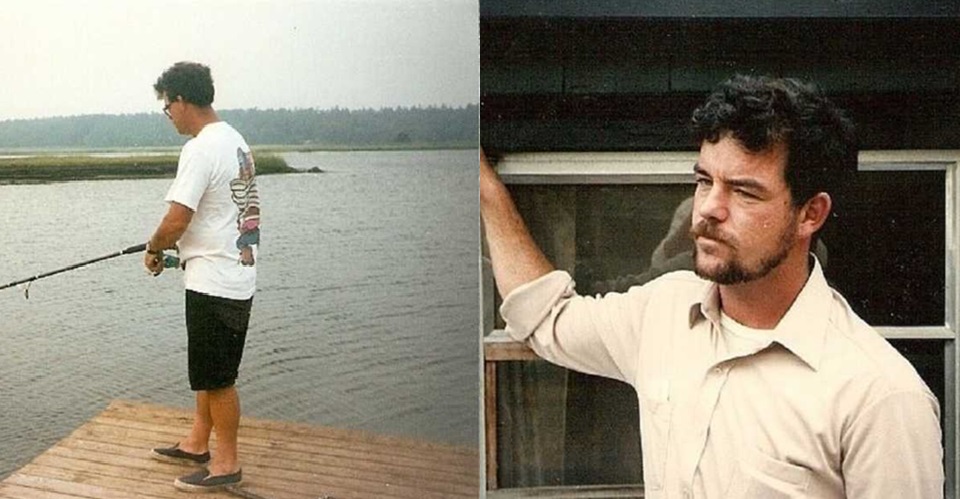
Her father was gentle but also masculine and strong. Anyone who knew him would understand this perfectly. Before cancer came and took everything from him and the family, he had always been the largest personality in any crowd. He cracked the funniest jokes and made the most noise. People either loved everything about him or hated it. But he didn’t care. He simply was who he was, without excuses or apologies. One never had to guess where they stood with him or how he felt. He was also the first to take the shirt off his back for a complete stranger. He always rooted for the underdog and was a gentle, loving father and husband to his three daughters and his wife.
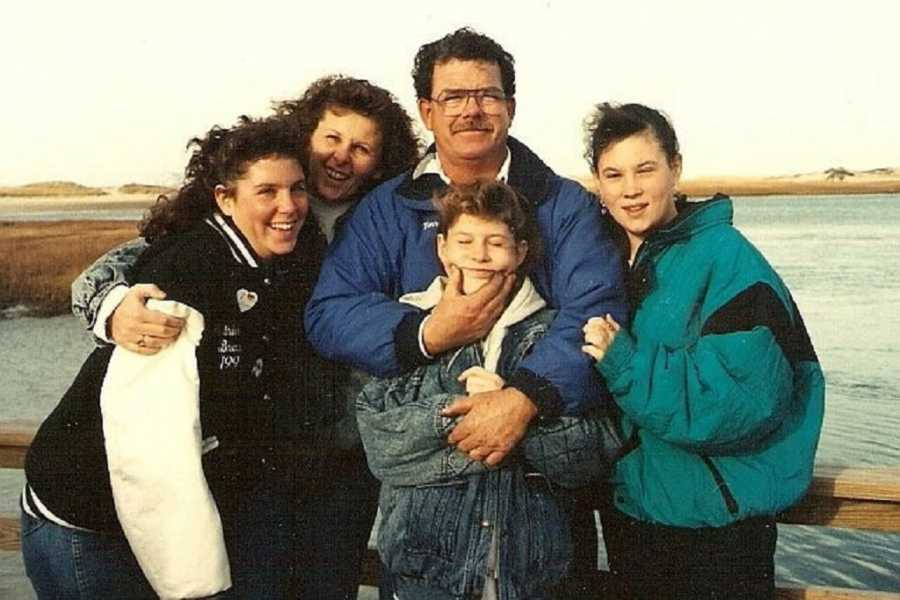
Her parents as a unit were special. Their love could fill a room. Their connection for each other took up the space around them. She had never seen anyone love another human as much as her father loved her mother. One vivid example was their morning routine, unwavering Monday through Friday for as long as she could remember. Her father would get up while the house was still sleeping, shower, and get ready to start his twelve-hour workday. Her mother would quietly descend the squeaky stairs to the kitchen and pack his blue-and-white grease-stained lunch box. They moved effortlessly around the house, preparing for the day so quietly they wouldn’t wake the girls too early. Then they would sit and drink a cup of coffee together. She could still remember the quiet whispers of their conversations. Occasionally, they got louder as they chuckled or disagreed, but it always returned to its slow, quiet rhythm. Her father would wake the girls right before he left for a quick hello and goodbye. He would set his coffee cup in the kitchen sink, the light brown liquid slightly skimming the bottom of the mug. He would kiss her mother before climbing into his big truck and waving as he drove off.
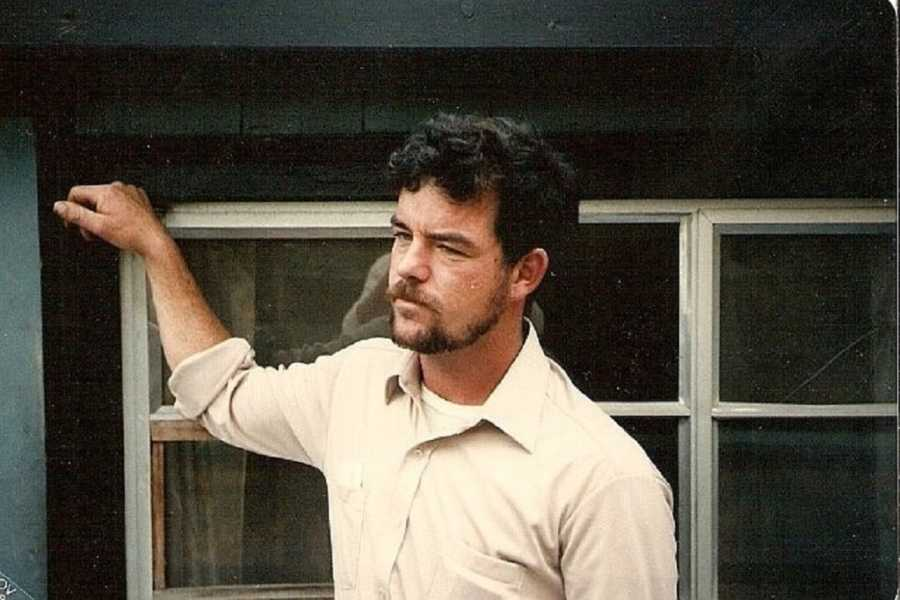
There was more to her father than his love for her mother. Twenty years after his death, the first things that stood out were his dry, calloused hands, the slight hop and whistle in his step, and the way his pants hung slightly in the back. She could hear the sound of him pushing the lawn mower on Sunday mornings, waking her when she was late. She could see him pushing the cart down the grocery store aisle, unbothered that her doll was strapped in the front seat while she walked behind. She remembered him coaching first base in the brightest, loudest shirt, telling her to keep her eye on the ball. She heard him in the band stands screaming “Go Billerica” as she and her friends took the field at marching band competitions. She saw him leaning out of the bus window on the way to music competitions and remembered him rallying the troops as the infamous chaperone on grade school field trips. Pieces of him were stitched into the corners of her mind.
The things she no longer remembered hurt most: how it felt to be held in his arms, the comfort of a hug, the joy of seeing him. She could no longer picture his features clearly. Most of her memories were now covered in a blanket of sadness. Twenty years of grief made loving him feel like reading someone else’s story. She missed walking beside him, hearing him notice her little wins, feeling him dry her tears after school, and watching him quietly hold the family together.
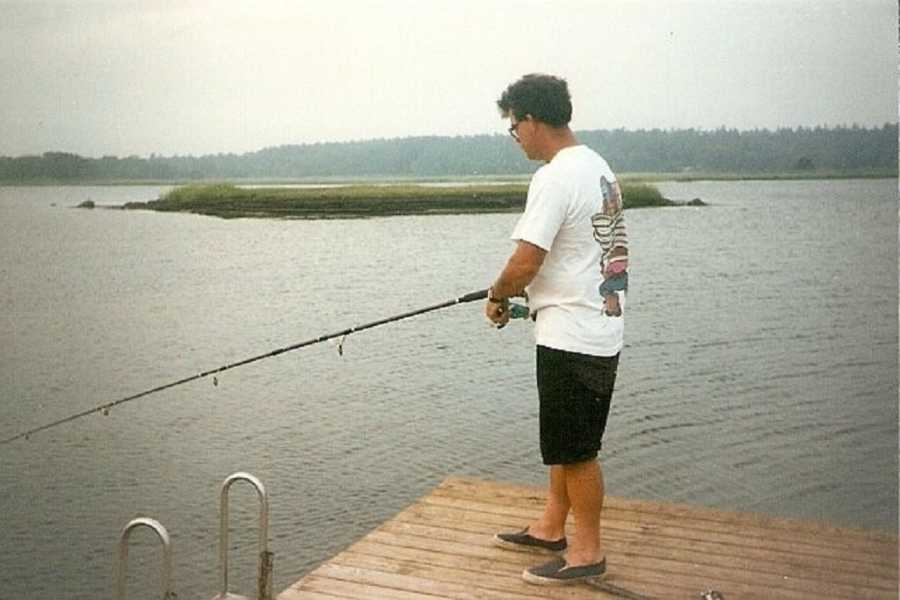
She saw fathers and their grown daughters out in public, sometimes having lunch, walking, laughing. She saw grandfathers with their grandchildren and felt a sense of envy. She never got to walk side by side with her father as an equal, as a friend. He never got to see his hard work pay off as his children received diplomas, established careers, became adults, bought homes, and became wives and mothers. She never got to thank him for drying her tears when she was bullied or for his endless sacrifices.
She was still grieving twenty years after losing him. Most of her grief was anger at having been cheated of time with him. Her memories were treasured, but reminded her of the empty space he left behind. She had grown stronger, wiser, and more resilient than she would have if he had stayed, but she would trade it all to have him back. To see him hugging her children, cheering at their games, falling asleep at their recitals. To hear him snoring in his big green chair after a family Sunday dinner. She would give so much to have him here for her children to climb on, laugh with, and learn from.
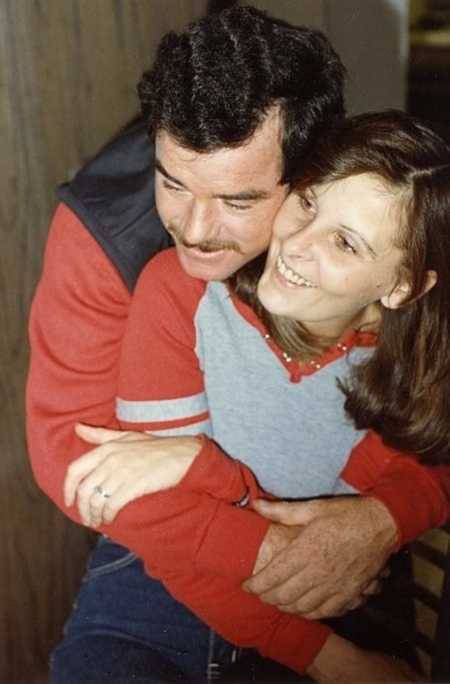
She often told her children stories about their grandfather: his love for the Boston Bruins, his favorite candies, and little quirks that made him who he was. When she saw qualities in her sisters that reminded her of him, she shared them. She also shared how proud he would have been as a grandfather, because she knew for certain. She had to settle for seeing him through her child’s laughter, her son’s drive on the basketball court, her younger sister’s quick wit, and her older sister’s sense of fairness.
Watching her father die put a light out inside her forever, but it also ignited a fire. She forged ahead, learned to appreciate life, to love deeply, to be kind, to remember each day is a gift. She learned to be herself without apologies, to love her partner, her children, and herself. Her father had been gone twenty years, but he was still with her. He had been larger than life, and now, in memory, he was larger than death.