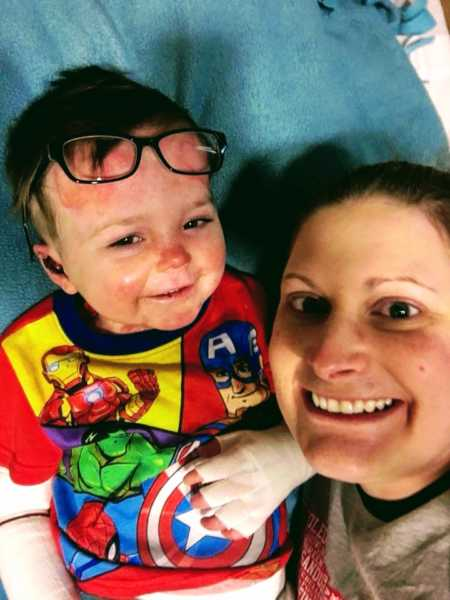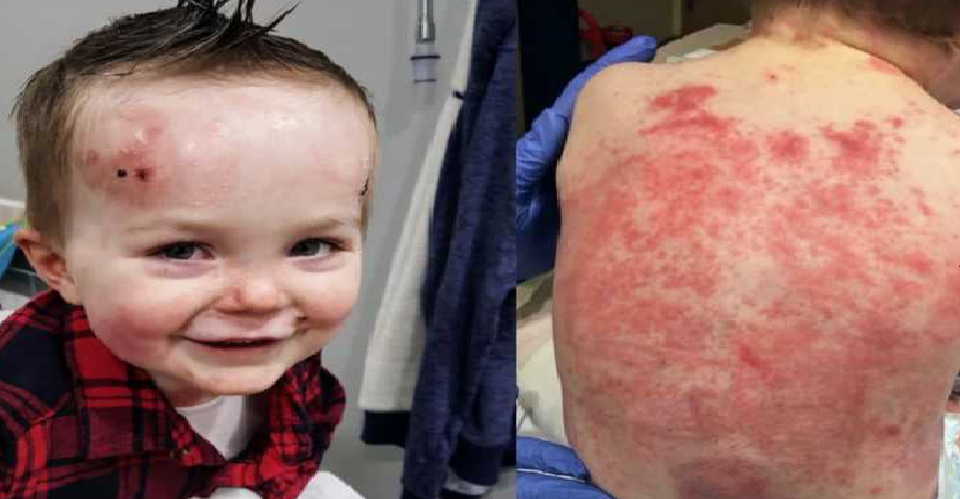
She wants to tell us about her son, Eli, born August 8, 2015, whose skin is as fragile as the wings of a butterfly. From the moment he arrived, they knew his life would be different. He has Recessive Dystrophic Epidermolysis Bullosa (EB), also known as “butterfly disease,” a rare inherited condition that affects not only his skin but also the tissues inside his body.
Eli’s birth came after a long, painful journey for their family. They lost a daughter to stillbirth, endured three miscarriages, and even tried IVF before finally using a donor-egg cycle from her sister. On top of that, she was battling a clotting disorder, which meant she was on blood thinners throughout the pregnancy. Despite everything, they welcomed Eli into this world. But soon after delivery, they knew things were not ordinary.
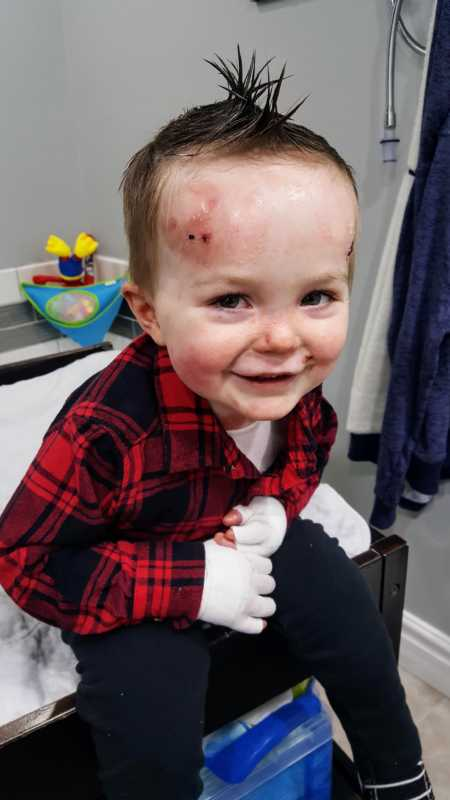
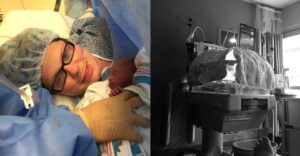
When nurses cleaned him after the C-section, his skin literally peeled off. He had no skin on his feet, and skin sheared off his hand so badly that some came out in suction tubing when they cleared him. He spent three weeks in the NICU and, ever since, has required intensive care at home primarily because his wounds could easily become infected, and big daycare centers were simply too risky. After genetic testing, they learned the truth: both her husband and her sister are carriers of EB, and she is too. It was heartbreaking to realize that a “hidden” gene had caused their child so much suffering.
Because EB is so severe, they decided to travel to Minnesota for a bone marrow transplant, which is currently the only systemic treatment available that might help. It isn’t a cure. But if it works, it could slow down the progression of the disease and help Eli grow stronger skin. They hold on to hope. To make this happen, she had to leave her job and spend months by his side. Her husband, the donor, flies between their home in Ohio and Minnesota, trying to balance work with caring for their son. The medical team has warned them: after the transplant, his immune system will be nearly nonexistent.
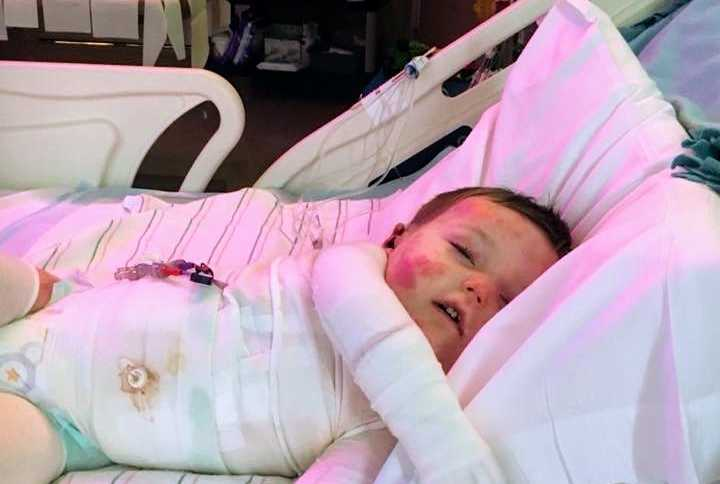
His hemoglobin might drop severely, he may need transfusions, and his white blood cell count could fall to dangerous levels. Side effects of treatment, like hair loss, nausea, and pain, are likely. Every day feels like a gamble, and the hardest days are yet to come. One day, as she watched him lying frail in a hospital bed, covered in bandages and red spots, she felt despair like never before. She saw her son in pain, deeper pain than she’d ever seen. His skin was raw. His body is fragile. And though he smiled, she felt helpless. She heard his voice, his protector, and in that moment, she felt weak. She cried. She felt tired physically, emotionally, and spiritually. She questioned how long she could be strong for him.
But then he looked at her and said, “Happy!” even though he was barely able to stand. He doesn’t understand what’s happening. He’s just a child. Despite everything, he remains kind, cheerful, and full of love. He hugs her gently, offers her small smiles, and laughs when she asks how he feels. And in those moments, he teaches her about hope. He teaches her what bravery means.
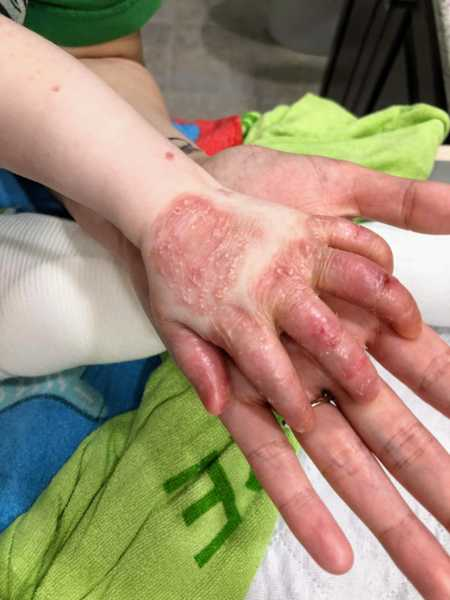
This journey has taught her that EB is more than “skin deep.” It’s a disease that affects nearly every part of life body, heart, and mind. But most of all, it has shown her the power of love, of resilience, and the strength one small child can have in the face of unimaginable pain. Because Eli doesn’t just survive, he lives. And as long as she is his mother, she will fight to give him the best life he can have. She will be his advocate, his comfort, his strength. Even when the nights are long, and hope feels small when fear threatens to swallow her whole, she remembers the word “happy” that came from his lips. And she keeps believing in him.