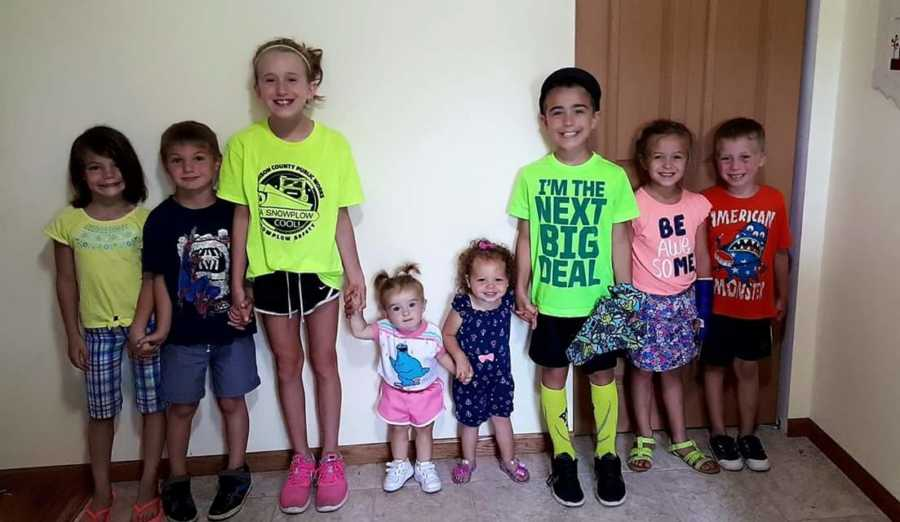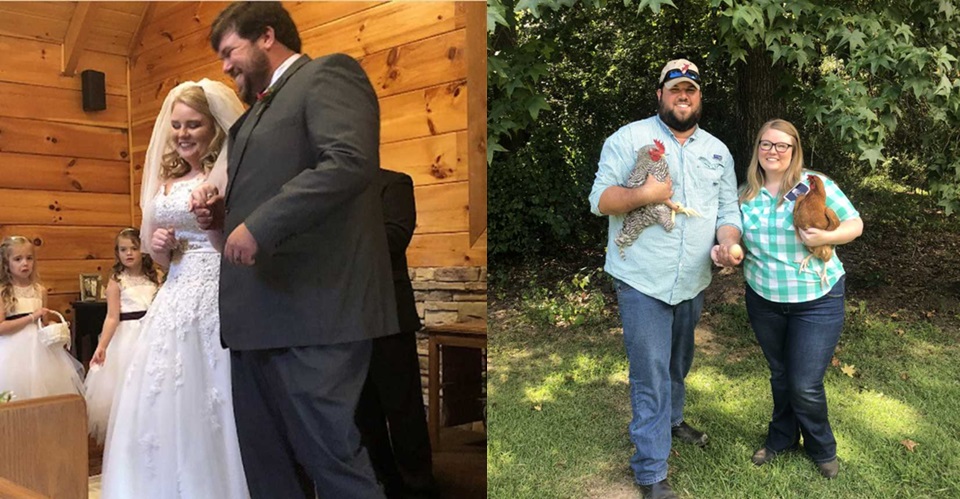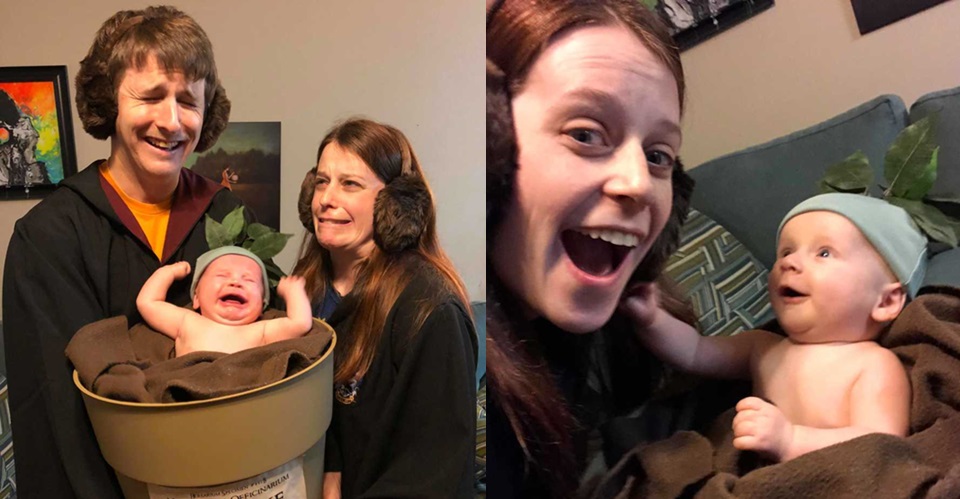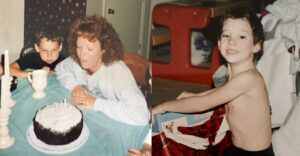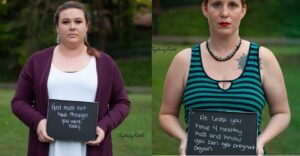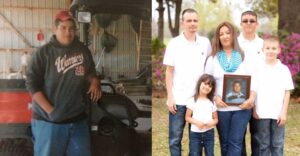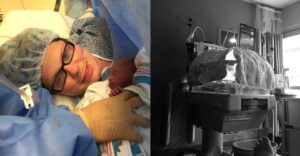
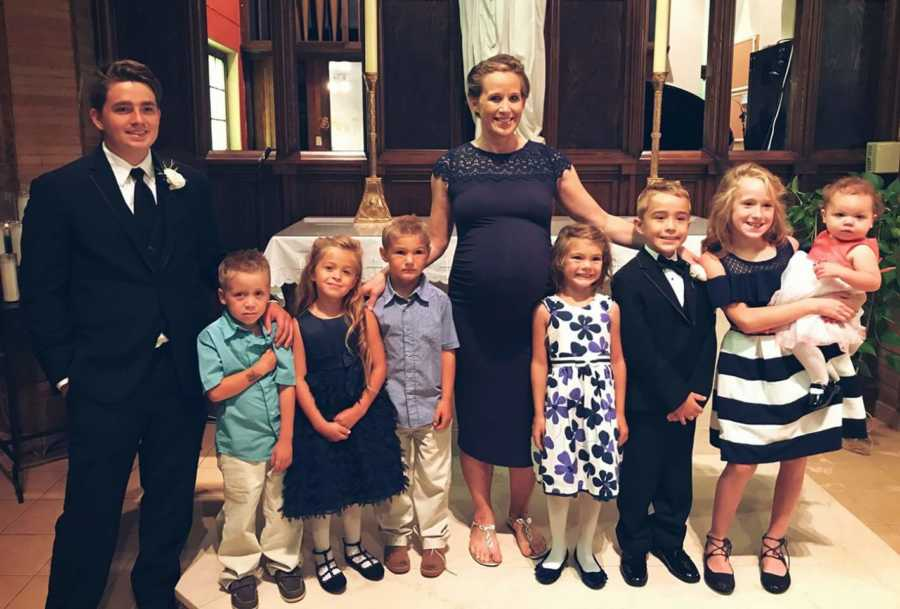
Her name is Carrie, and she and her husband are parents to nine children. They began with so much pain that she wouldn’t let me hold her. Instead, she just sat nearby and spoke to four biological kids. Later, they became foster parents and eventually adopted a sibling set who needed a forever home second baby had a rough start. She spent time in the NICU and went through withdrawal because she was exposed to drugs before birth. It was hard. Many feared reunification with the birth family was possible, but they held on. For them, foster care wasn’t meant to be easy; it was meant to be real. Even when things are messy, sometimes the very best outcome is giving kids a safe, loving home.

When she was a child, she used to line up her dolls and pretend she ran an orphanage caring for each “baby” as best she could. As she grew older and read about real cases of child neglect and abuse, she was deeply hurt by the injustices. She asked her: What can she do to help? The idea of fostering lingered for years, always on the back burner. Excuses like “we’re too busy,” “they just had a baby,” or “they will get too attached” kept it at bay. They finally decided to jump in after they already had a full biological family. Because the truth is: there is no “perfect time” to start. And getting attached, that’s the point. Children need love and stability.
Still, she wants to be very honest, you don’t always enjoy every child who comes into your home. Some kids are easy; you’d do anything for them. Others are very, very hard. These children often come with deep wounds. They’ve been betrayed by those who were supposed to protect and care for them. That kind of hurt leaves scars, emotional, social, and sometimes physical. They’ve cared for children born exposed to drugs and alcohol, many of whom were underfed, left alone, or close to death before coming to them.
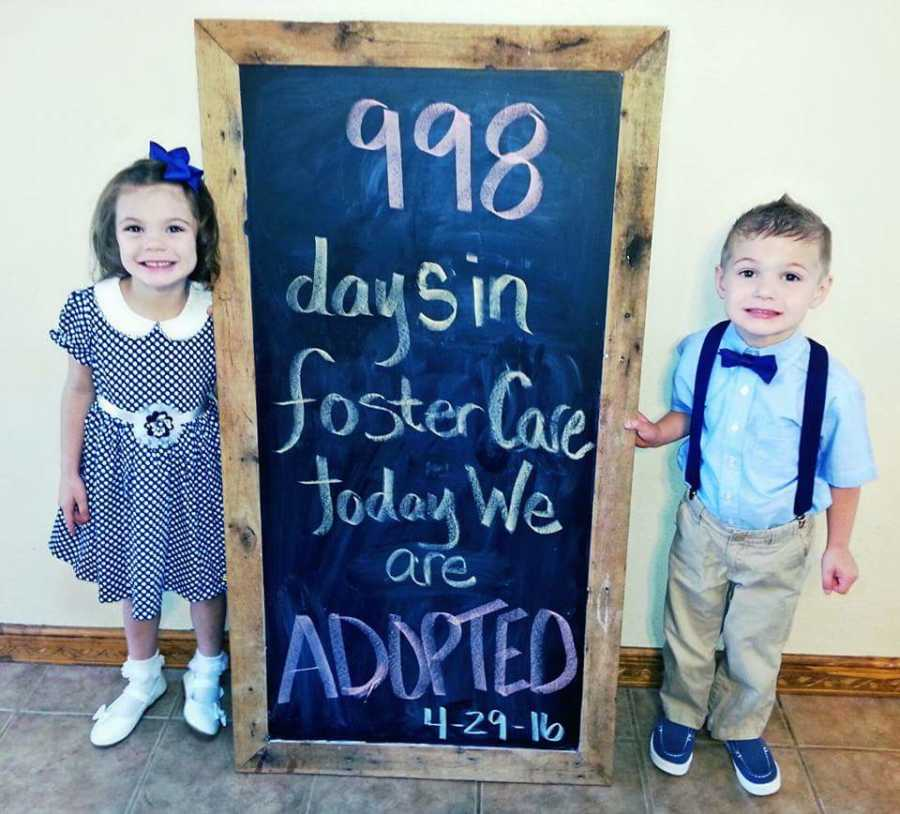
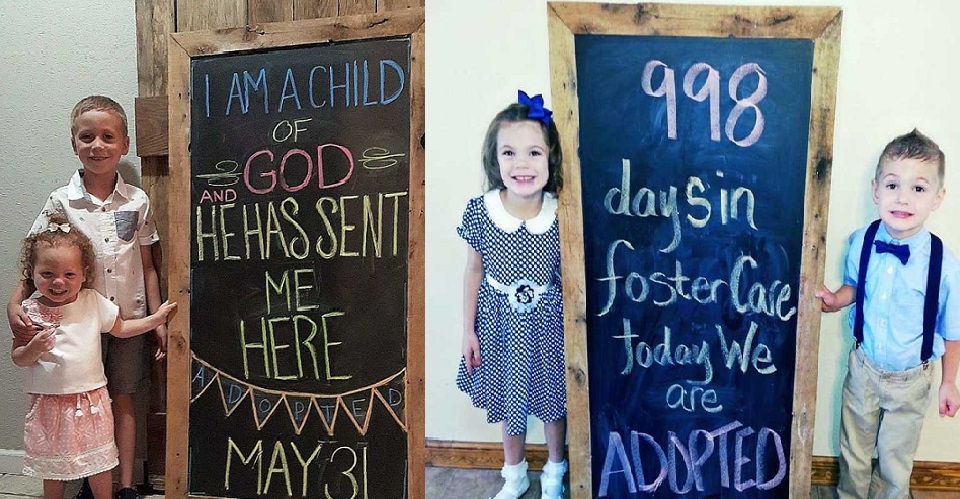
They are human beings shaped by trauma, and even with all the love in the world, some of their wounds may never fully healIn foster care and adoption, “love” by itself is rarely enough. Over the years, they have welcomed children from many different backgrounds, abused, neglected, hungry, frightened, and lost. But mixed in with the pain, there was also goodness. She saw it in the children themselves, their resilience, their smiles when they finally felt safe. She saw it in social workers, tirelessly juggling paperwork, hearings, therapy sessions, family searches, visits, trying to do right by these kids. And she saw it in their children, both biological and adopted, making room in their hearts for every new kid, sharing stuffed animals, offering comfort to frightened toddlers, holding babies who desperately missed their moms.
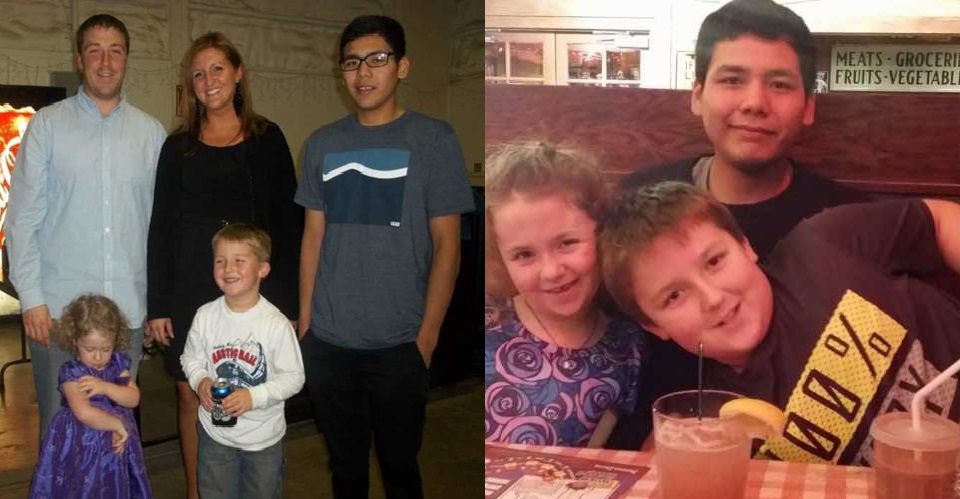
On May 18, 2016, her eldest son’s 16th birthday, they got a call about a frightened two-year-old boy. They dropped everything and went to pick him up. He was terrified when he arrived. Her oldest son knelt beside him, spoke softly, and reassured him. Often, the goal is reunification; they try to support the birth parents, mentor them, and pray for them. But many simply don’t have the capacity to heal in time. Despite efforts, sometimes families remain broken, and the children need a safe home forever. Their home is loud, busy, chaotic, full of food, laundry, laughter, tears, and hope. Their kids have learned about compassion, but also about pain.
They know what heroin is. They know what parole violations mean. They’ve learned that not all moms and dads know how to be loving or safe. And yet, they have opened their hearts to every new kid who walked through their door. They have held scared babies, comforted hurting toddlers, and offered love when it was hardest to give. In their house, love is messy, imperfect, but real. And we keep trying. This is her story, a story of fear, heartbreak, love, hope, and resilience. She is not unique. There are many families across the country doing what we do: opening their homes and hearts to children in need.
She shares this not to scare you, but to show you the truth. For every time fostering crushed you, there were five times it lifted you. These kids need people willing to fight for them. If you have space in your home and in your heart, don’t worry about “getting too attached.” Adults can handle heartbreak. Children need a warm hello.