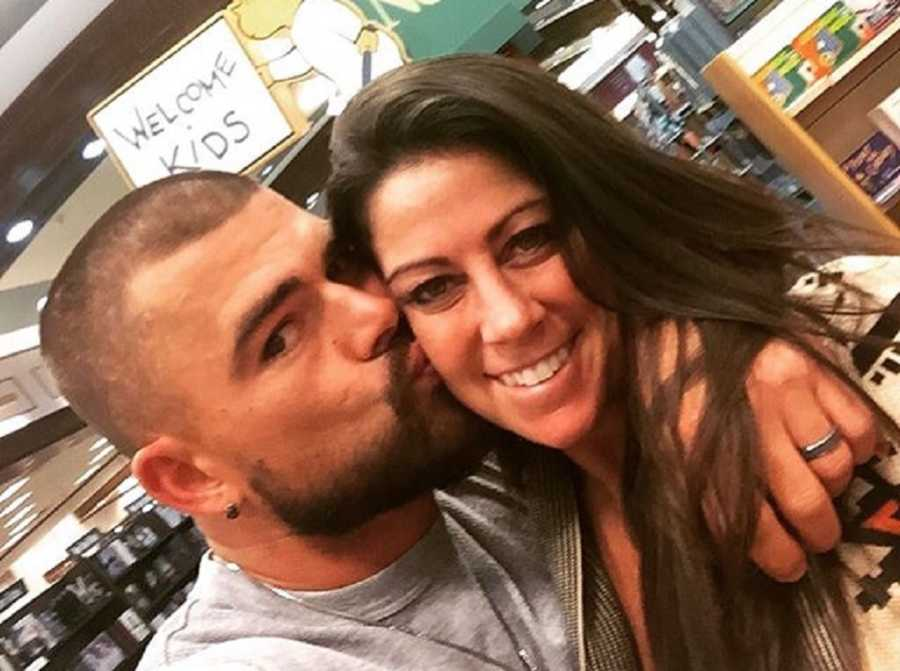
He was everything she thought she wanted-charming, ruggedly handsome, intelligent, an athlete, and a loyal friend-the kind of man whose presence made the ordinary feel extraordinary. Everyone who met him seemed to feel it; falling for such a person isn’t tricky, t and she fell in love with him quickly, his charisma and confidence, although everybody warned her and she listened to no one else’s warnings. He was a “bad boy,” the kind of man her parents would have cautioned her against, yet naive enough to believe her love would change him. They met when they were in their early twenties; both were ego-driven athletes who got everything they wanted. Sixteen weeks into dating, he proposed to her, and she accepted, proud, flattered, and invincible in his love.
Yet, from the beginning, there had been warnings she ignored: his temper was hot and volatile, burning with an intensity that at first had thrilled her; she felt protected by him because, she thought, this strength was what made her safe.
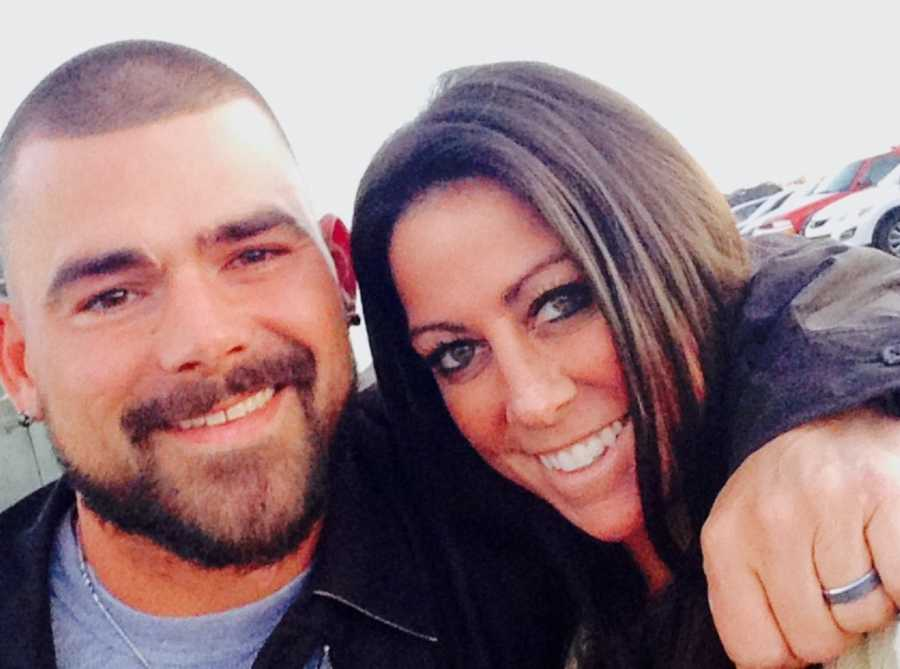
Over time, that same intensity would become terrifying. At first, he had kept his anger to himself, but as the years went by, it only escalated. He would punch walls, break doors, and shatter glass. All this made her learn to walk on eggshells, changing her behavior for him, but nothing helped. He turned more and more abusive, having endless arguments, leaving her all alone, stuck in a life where the man she adored became unrecognizable. She begged him to seek help, but pride and ego kept him blind to the damage he had already caused. Her home became a battlefield, with her constantly calculating how to survive each day.
He held her hostage during fights, which would not allow her to call out for help. When he was at his worst, she was left shaking with no idea how to react around the man she had once adored. Therapy afterwards helped process the fear and confusion, but even years later, the lines between love and trauma were blurred.
Two years and eight months ago came her breaking point. He physically attacked her, causing her to miscarry their first child. She knew then either they would get help, or she’d have to go. The months to follow were the calm before a storm she could never have imagined. On April 29th, 2016, he committed suicide in their bedroom. It was just an average day, and upon going into their room, she found her husband lying there, unresponsive and bleeding, with a gun next to him. Panic set in when she tried to stop the bleeding and understand what had happened.
For a quick moment, she thought of going with him, just because she was depressed about everything. It was only because of their love for their precious dogs that she had a reason to stay. She called 911 because her voice was shaking; from there, everything became a blur-a confused, shocked, and empty experience. His death was a relief, but also a trauma. She missed the life she had longed for, but she also felt the liberty it brought her. It became clear to her that pain exists, too, and that no one’s pain ever lessens another person’s. She promised herself that she would live her life in honor by wanting to thrive, not merely survive. She found solace in taking back her life, incrementally, methodically, because it is a process of feeling, of grieving, of truly living.
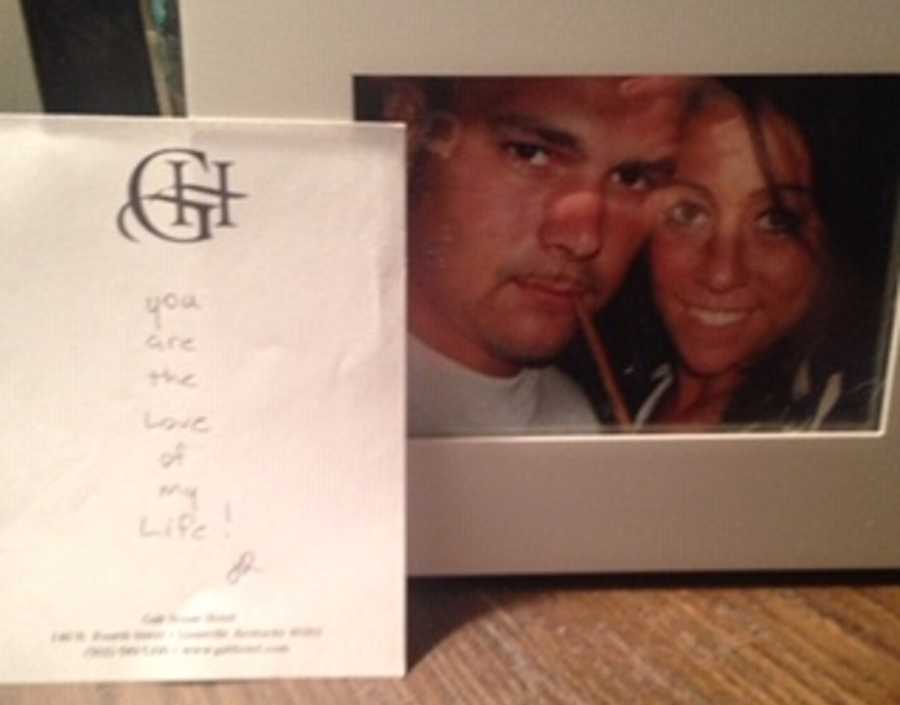
She forgave the man who wronged her; it was not because he deserved it, but because she deserved a life free of pain. She now tells a story of resilience, a testament to what the human spirit is truly capable of achieving through transformation, despite the loss that caught her life off guard. She moves on, day by day, as a daily choice to live life to its fullest, to keep true to her feelings, to live freely amidst a world that was feared. Despite all the pain the past has brought her, the present is a reality now defined by her durability, by her deliverance, by knowing that she is, for the first time, finally free because, finally, she is all hers.