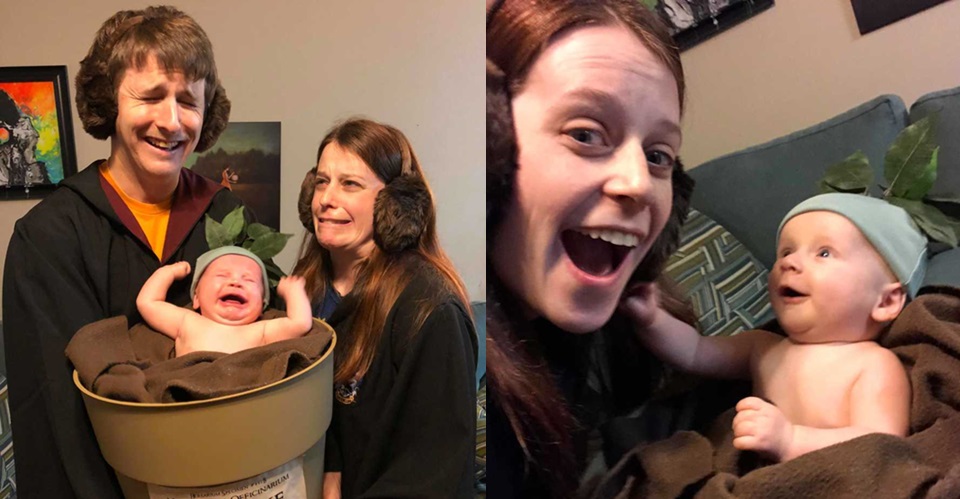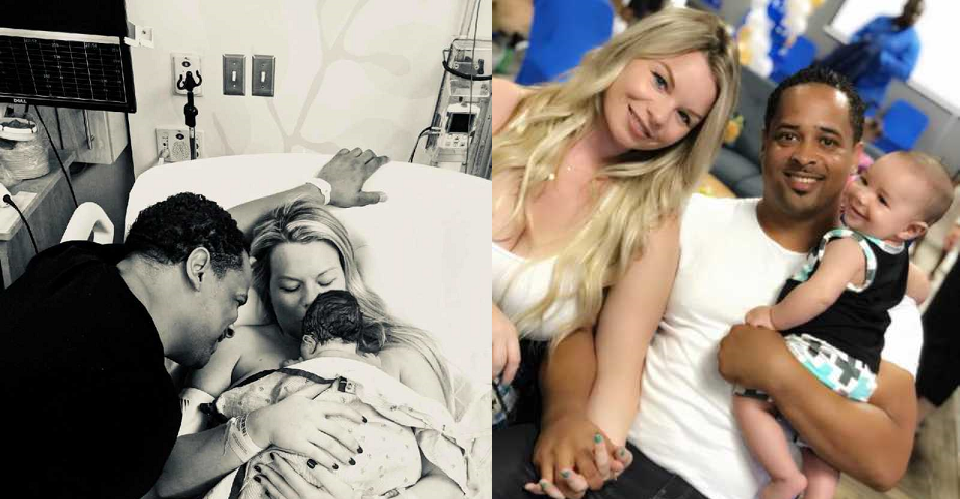
When she became a new mom, she expected joy. She dreamed about holding her baby, laughing at his little smiles, and feeling the warmth of motherhood. But what actually happened was nothing like what she had imagined. Instead of feeling happy all the time, she felt something she couldn’t explain, deep sadness that washed over her without warning and without reason. In the first days after her son was born, she was more tired than she ever imagined possible. She had heard about sleepless nights, but nothing prepared her for how exhaustion would make everything feel heavier. She struggled to keep up with the constant feedings, the crying, and the new responsibilities.
Even when her baby was peaceful and calm, she felt unsettled inside. One night, as she stood in the bathroom brushing her teeth with her partner, tears suddenly streamed down her face. Her partner looked at her with concern and gently said, “You seem like you’re having a really hard time with this.” She didn’t hold back the tears that fell, and in between sobs, she said, “She is so sad, and she doesn’t know why.” At that moment, all her feelings came out, and she realized she wasn’t just tired or overwhelmed; she was deeply, painfully sad in a way she couldn’t control.
She felt ashamed. She thought she had everything she ever wanted: a healthy baby, a loving partner, so why does she feel this way? She believed that motherhood should feel joyful every moment. She thought sadness meant she was ungrateful or weak. So she tried to hide it. She bottled up her feelings and pretended she was fine, even when inside she was breaking. But the sadness didn’t go away. It stayed with her. Some days, she cried in the shower so no one would see.

Some days, she felt like she couldn’t get out of bed. Caring for her baby, something she had dreamed of for years, felt both precious and unbearably hard. She began to wonder if something was wrong with her. She worried she wasn’t cut out to be a mother. Thankfully, her partner didn’t judge her. Instead of turning away or dismissing her feelings, he listened. He didn’t tell her to “just be happy” or to “snap out of it.” He hugged her, offered comfort, and reminded her she wasn’t alone. He even talked to her mom and helped her reach out for professional help. Together, they encouraged her to see a therapist, and she agreedTalking to a therapist helped her understand that what she was experiencing was not something to be ashamed of.
She learned that many new moms face deep sadness after childbirth, something called postpartum depression or intense “baby blues.” Just because her baby was healthy didn’t mean she wouldn’t struggle emotionally. And just because she didn’t know the reason for her sadness didn’t mean the feelings weren’t real. Over time, and with support, the heavy sadness began to lift. It didn’t disappear all at once, but little by little, she started to feel more like herself again. She learned that asking for help is not a weakness, it’s a strength.
She learned that being a good mom doesn’t mean feeling sad. She learned that healing takes time, patience, and compassion. Today, she still loves being a mom. She loves the sound of her son’s laughter, his little fingers wrapped around her, and the way he looks at her with pure trust. But she also remembers the days when she cried and didn’t know why. Those days taught her something important: feeling sad doesn’t make you a bad mom. It makes you human. And reaching out for help can change everything.