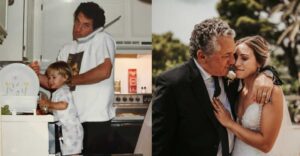
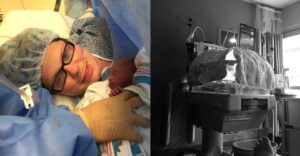
When Charlie first learned she was expecting twins, she felt like she had joined a secret club. Only seven weeks pregnant, she was already telling herself she could handle anything. She glowed, the energy, even the smug smile of someone who thought motherhood was about to unfold exactly how she pictured it. She was more excited than afraid when her water broke at thirty-two weeks. She wanted a natural birth, but when one twin was breech, doctors rushed her into an emergency C-section. She told herself it was fine, as long as both babies were healthy.

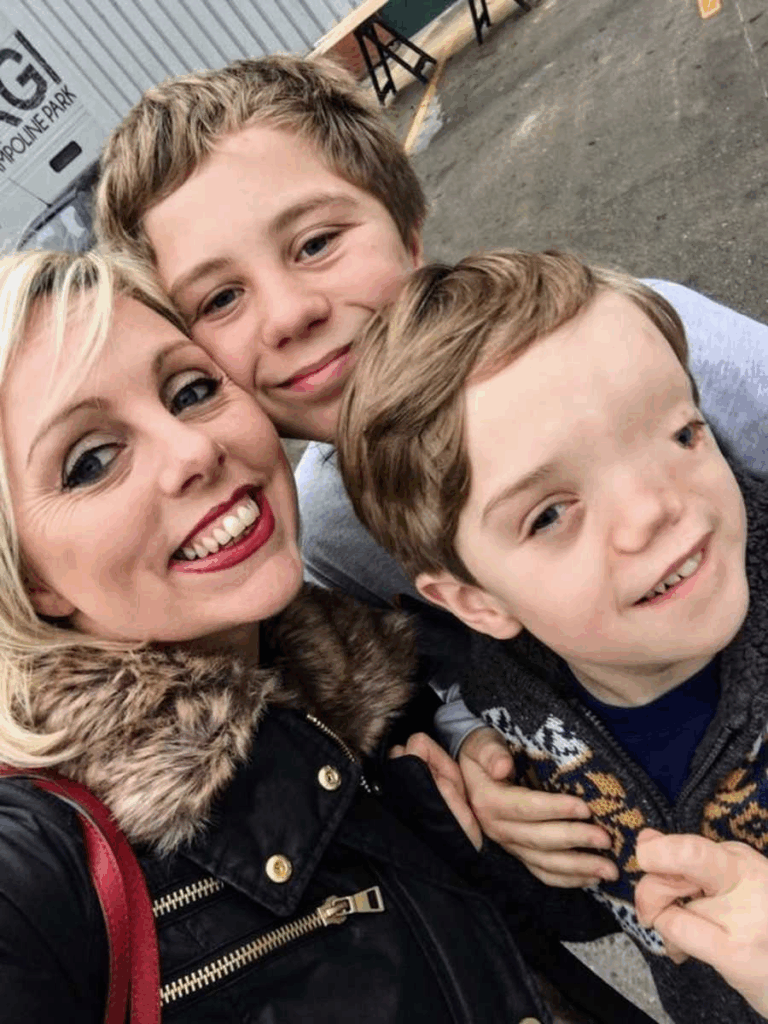
But the morning her boys arrived would turn into a memory she still struggles to process fully. Oliver, the firstborn, was fine. Harry, his twin, came into the world missing an eye, an ear, a nostril, and part of his jaw. The condition had a name, Goldenhar syndrome, but labels didn’t matter at the time. What mattered was the wave of guilt that hit her chest so hard she could hardly breathe. Charlie convinced herself she had done something wrong, that her body had failed her son before he even had a chance.

On the outside, she smiled, acting like the steady new mother she thought everyone expected her to be. Inside, though, she was unraveling. She expressed milk like a woman possessed, even after the nurses begged her to slow down. When she pushed herself too far and ended up with painful mastitis, she sat crying, body aching, sure she was failing at everything. Harry’s medical needs meant he required more attention, and no matter how she split her time, she felt guilty. Guilty when she was with Oliver because she should be with Harry, guilty when she was with Harry because Oliver deserved more. It was an exhausting cycle that left her hollow and aching.
By the time the boys were toddlers, her marriage had collapsed. She was a single mother, still smiling in public, still crumbling in private. When Harry was diagnosed with autism at age three, her grief deepened. She worked full-time as a teacher, cared for two boys, and functioned on just a few hours of broken sleep each night. Silence became her shield, but silence also dragged her further into despair.
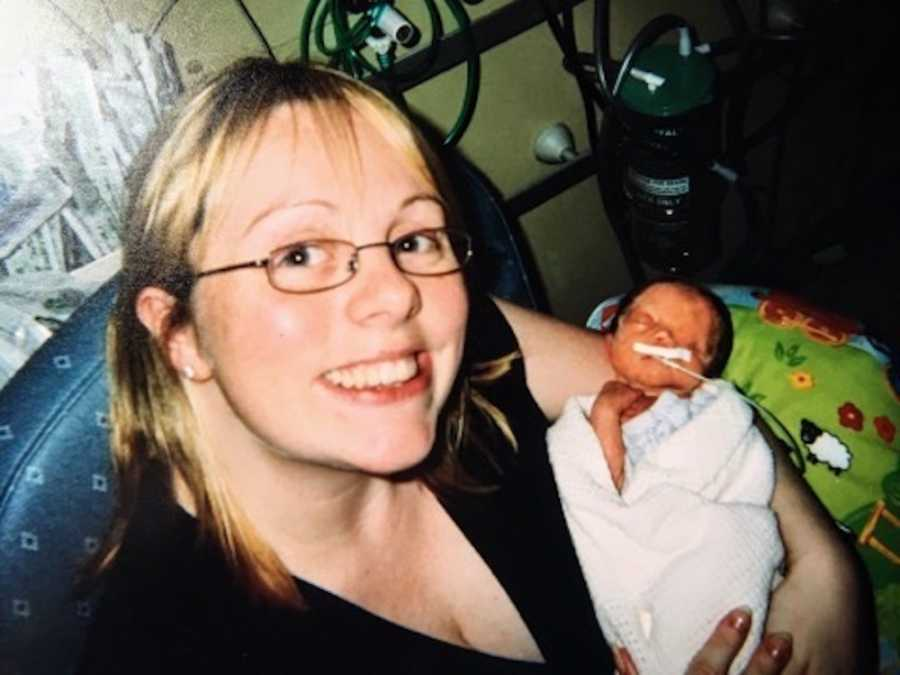
It wasn’t until her own mother dragged her to the doctor that she finally admitted she needed help. Sitting hunched and ashamed, she confessed her inner battles and agreed to antidepressants. Slowly, the dark fog began to lift. She started facing the world differently. Instead of avoiding stares or rushing away from curious glances, she leaned into them. She began to smile first, answer questions, and show people that her boys were beautiful exactly as they were. And strangely enough, those small acts started to heal her, too.
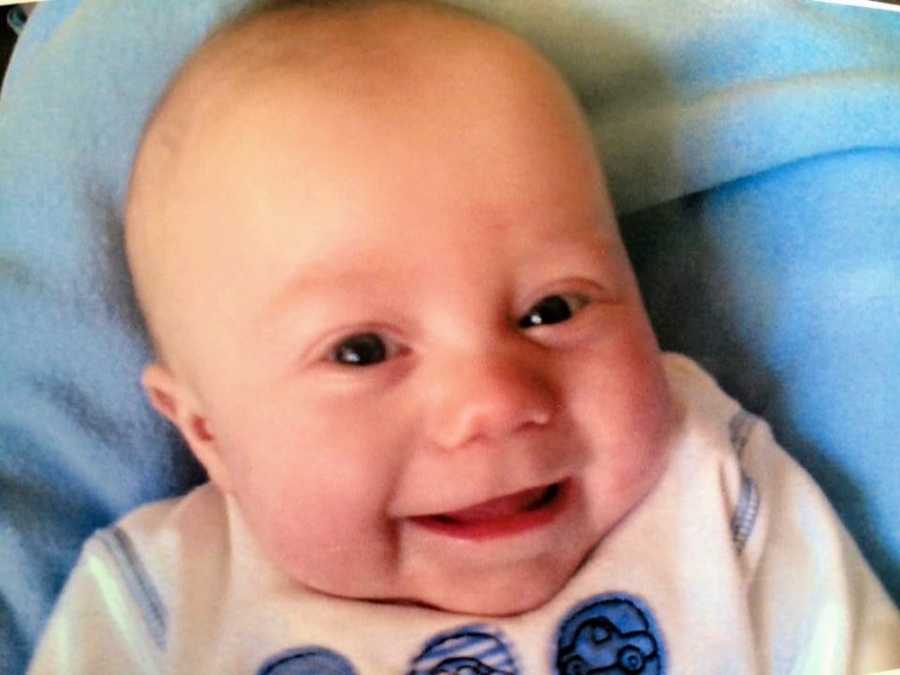
Years passed. Harry underwent more than twenty surgeries, and autism added new challenges. Oliver battled dyslexia, anxiety, and fragile self-esteem. Their lives were not simple, but they were full. Eventually, Charlie finds love again and builds a blended family with her partner, her two boys, and even a dog to complete the chaos. She no longer felt like a broken woman pretending to cope. She felt like the mother her children truly needed, not despite their struggles, but because of them.
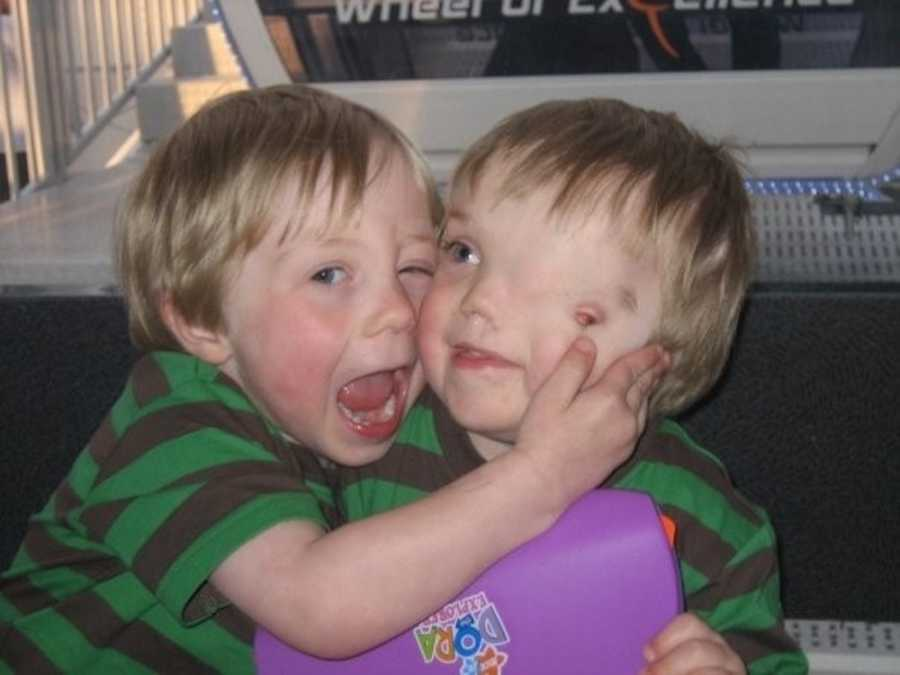
Looking back, Charlie sometimes aches for the moments she lost in grief, the times she forgot to celebrate Oliver’s milestones, or the beauty of Harry’s unaffected side. She knows now that her guilt blinded her, and that the armor she wore to keep pain out only trapped it inside. Yet she also knows that her story, her altered life, is worth sharing. That is why she published her journey and began speaking in schools about difference and acceptance, introducing children to Harry and teaching them to look beyond appearances.
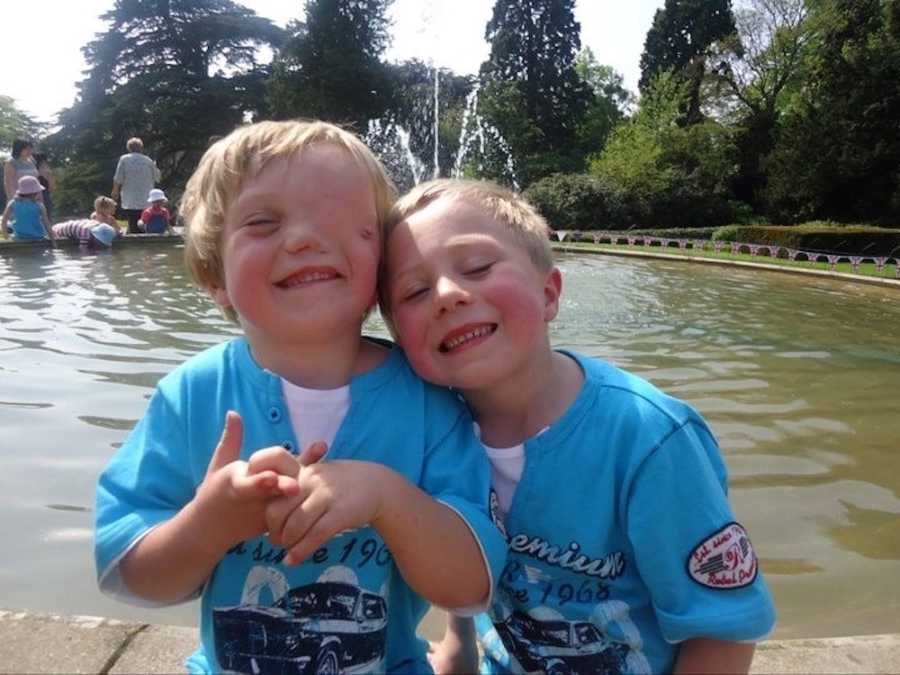
Almost thirteen years later, Charlie stands in pride, not shame. Her family may not look like the picture-perfect one she imagined at seven weeks pregnant, but it is hers, full of love and resilience. She hopes the world her boys inherit will be kinder and that Harry’s differences will be celebrated instead of judged. Above all, she has learned that even when life shatters the picture you painted, you can take the pieces and make something unexpectedly beautiful.