She and her daughter are not broken; they are simply tuned to a different frequency, and they are learning, every day, to make beautiful sense of the sound they have. She was the kid people accused of tuning them out as a child. Adults called it selective hearing, and sometimes that might have been true for any kid. Mostly, though, voices blurred unless the speaker was right before her. She said “what” and “huh” a lot, not because she missed the moment, but because words arrived soft and muddled, like whispers through a wall. She taught herself to read lips, so her speech sounded fine to most people.
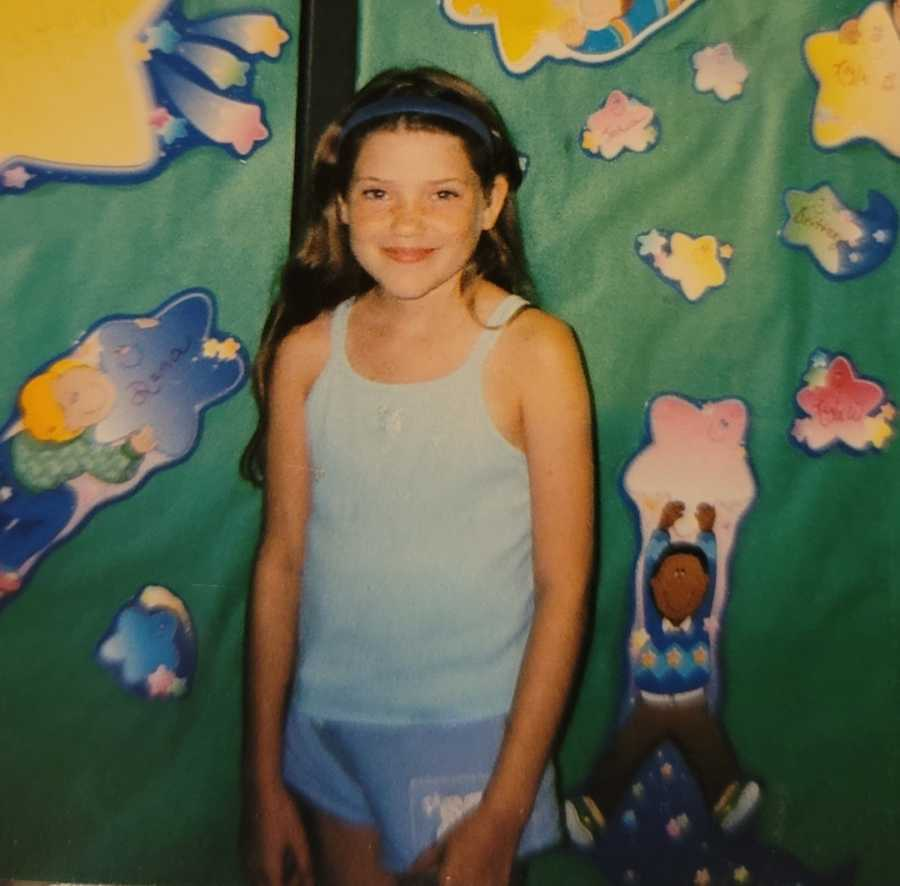
Her mom suspected hearing loss when she was two. She could sleep through a blasting stereo while her older brother woke at once. She did not react to dropped objects. Yet she kept passing office hearing tests because she learned the rhythm of the tones and followed along. In kindergarten, a specialist finally tested her differently, and the truth appeared: sensorineural hearing loss. Her audiologist explained with a poster and simple words. The tiny hair cells in the cochlea, the little messengers that carry sound to the brain, were damaged or too few. She did not see it as a flaw. It was simply how she was made. Hearing aids meant she could hear more sounds, and the diagnosis proved she had not been ignoring anyone.
Middle school brought a sign language teacher. At first, she resisted. She wanted to blend in, to rely on speech therapy and a classroom microphone, not stand out more than she already did. But that class opened a door. She met others with hearing loss, made friends, and found a language she did not know she needed. Now, a sign helps her in everyday life, especially around water in summer when hearing aids must stay dry. In noisy group conversations, she still loses the thread and sometimes nods along, not from rudeness, but from overload. Repeating can wear people down; pretending feels easier.
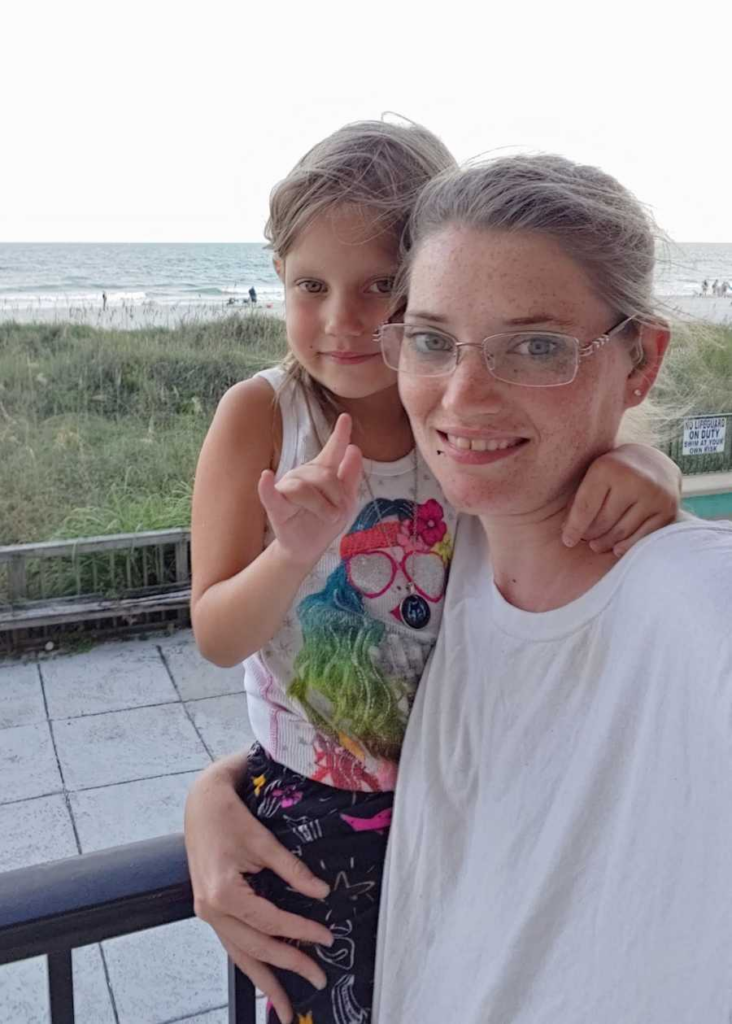
Labels can be tricky. She once called herself hearing impaired until she learned many find that term hurtful. She identifies as hard of hearing and also deaf, because without her aids, the world goes quiet. In hearing spaces, she can be treated as deaf; in deaf spaces, she can be treated as hearing. That in-between place requires constant explaining. During the pandemic, a mask that said hard of hearing, please be patient changed things. A theater attendant offered an assistive device she had never known existed. Speaking up, she learned, opens doors. What helps her most is not shouting or slow, exaggerated speech. She needs to see your mouth or clear, separate words. A nurse once leaned into her ear to talk after she was hurt. He meant well, but it blocked the one tool she relies on: vision.
Her daughter, Liana, was diagnosed at two. A game of hide and seek made it clear she had missed a loud “boo” behind her back. An auditory brainstem test showed moderately severe to profound loss. Liana now wears hearing aids and is a candidate for cochlear implants one day, a decision her mother believes should be hers. Thanks to early programs, Liana has grown up with spoken English, American Sign Language, and Signing Exact English to help bridge reading and speech. She prefers signs and sometimes struggles with social language, like mixing up who is a husband or a dad, but she is learning. Her mother tries pictures, videos, and hands-on examples, then rests and tries again.
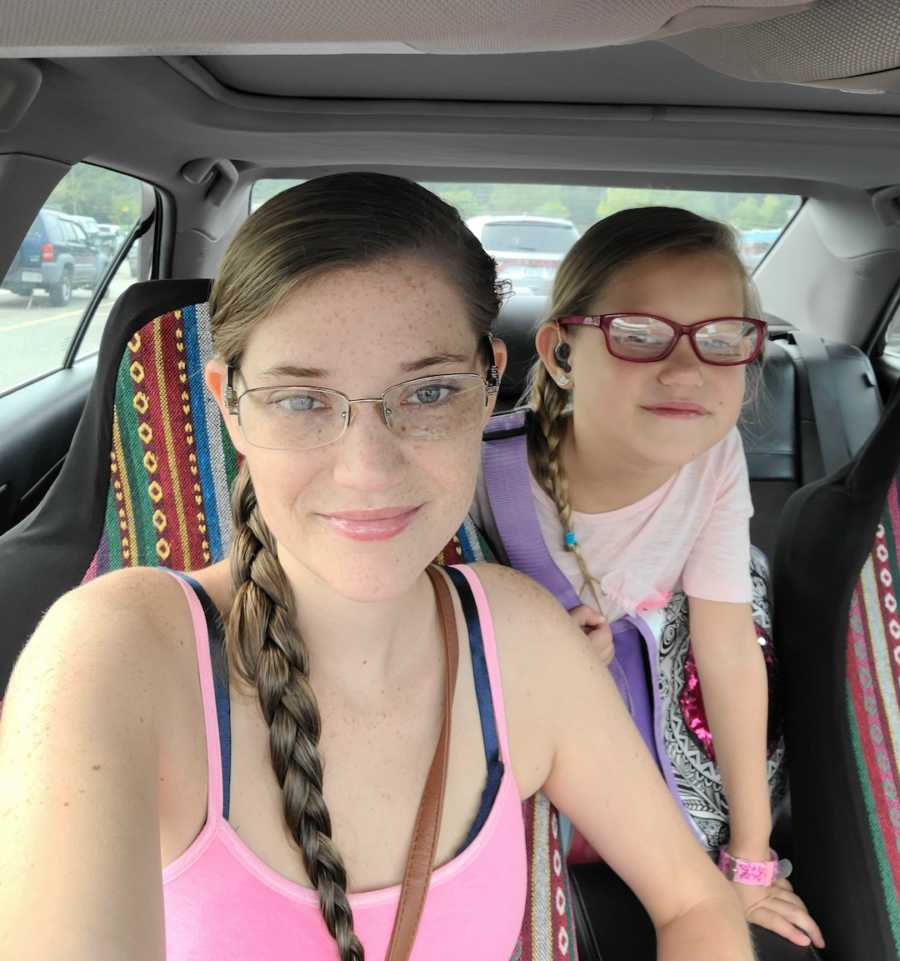
They share a diagnosis, yet their paths are different, and that is okay. Hearing aids are expensive. Insurance often treats them like accessories instead of essentials. Her family scraped and borrowed to cover thousands of dollars every few years. She hopes that changes, because no one should have to choose between hearing better and paying the bills. To other parents, she offers steady advice. It is normal to feel frustrated or behind. Keep showing up. Ask for help. Seek out programs early. Let research be your ally and give your child tools in more than one language.