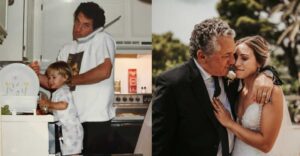
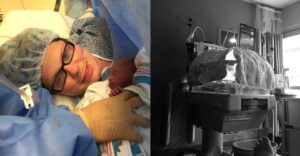
She lost an old story and found a truer one, and in that truth she finally felt at home. She learned the truth a month before turning forty two. She was adopted. That alone was big, but what shook her most was who her mother really was. She grew up the youngest of six, with an eleven year gap that left her mostly in the company of adults, books, and art. Home carried a quiet storm of alcohol, arguments, and heartbreak. Teasing from relatives felt routine back then. An aunt mocked her nose for being different. She thought it was just mean humor. Later she understood it was a hint.
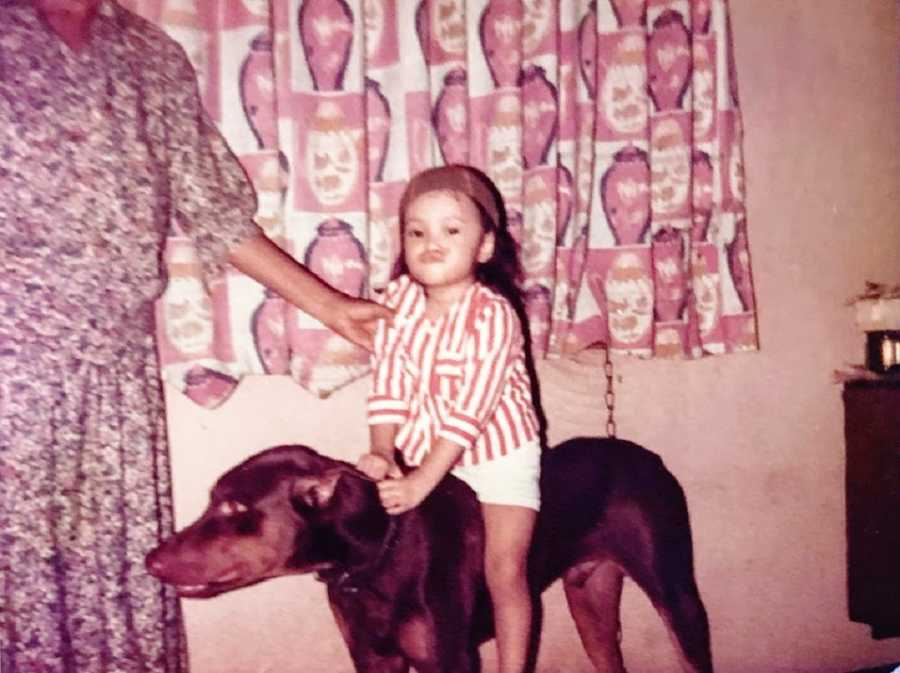
Her relationship with the woman she called mother was distant. There were no easy hugs or kisses. She assumed some families simply were not affectionate and told herself that public displays were for other people. It was her oldest sister, Priscilla, who offered gentle kindness. Years passed, and that kindness would make sense in a way she never expected. During the first wave of the pandemic, hospitals were strict. Priscilla was in critical condition, and her husband called in the early morning. His voice shook as he said Priscilla had told him the truth.
She was not merely a sister. She was the one who had given birth to her. At first there was relief that Priscilla was alive. Then confusion rushed in. Was this real. She called in sick and reached out to her youngest brother, the sibling who had shared the hardest parts of childhood. His reply came back steady. You will always be my baby sister. And with that, the truth settled. The parents she had known were in fact her grandparents. Priscilla had become pregnant at eighteen in a Catholic Filipino family. Silence had been their solution.

The ground shifted under her feet. Mirrors felt strange. Her voice sounded unfamiliar. She reached for sleep and alcohol and then reached for help. A psychiatrist adjusted medications. Therapy began. Friends who loved her raged on her behalf and reminded her she could tell her story on her own terms. A colleague named Lucas, who knew about the struggle to be seen, told her that whatever she chose would be the right thing. She chose a new name, Odile Grey, and began to rebuild.
She wrote. She posted. She started a podcast called That Twisted Truth and connected with other adoptees, especially those with tangled family lines like hers. A year after the revelation, she was stronger. Lockdowns forced slower days and gave space to read, write poetry, run a virtual half-marathon, earn a course certificate, and even try adult ballet. When she felt ready, she looked for her birth father. He had already passed away, which hurt, but she found half-siblings who welcomed her with open hearts. They had been looking for her, too.

Meanwhile, Priscilla’s health improved surprisingly, and Odile kept working on her own. She learned that adoption discovered late can feel like an earthquake. Old memories tilt. Small jokes gain sharp edges. But with time and support, the pieces can be arranged into a more accurate picture. She did not ask her wider adoptive family for their views. She did not need permission to live her truth. She knows what she needs to know. She missed meeting her father, but she found brothers and sisters who share her blood and share her story. For a long year, she felt utterly alone. She is part of a new circle that wanted her all along. The past still carries pain, and the path to peace was not simple, but it is hers. The truth cost her some illusions, and it gave her herself.