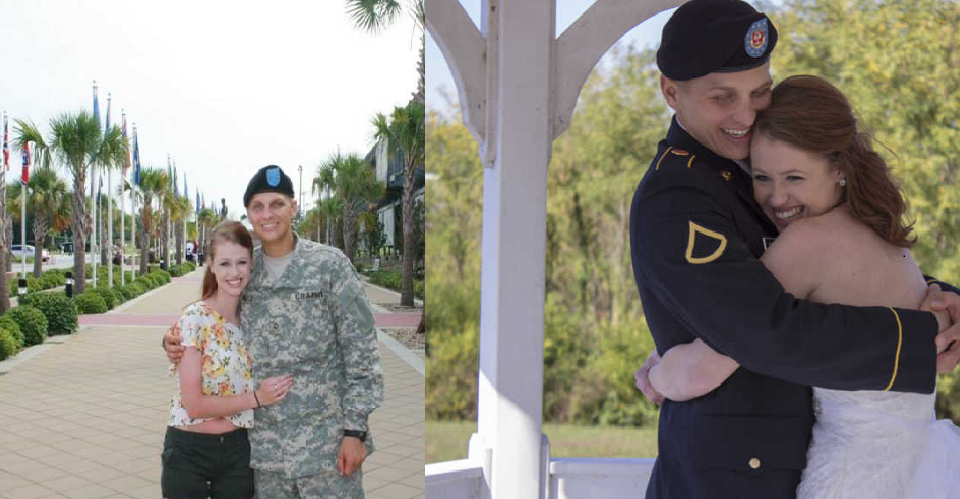
When she saw the positive pregnancy test, she felt hope and fear all at once. She had already lost babies more than once. The thought of miscarriage was no longer abstract. And this time, one loss would feel like so much more than heartbreak. It felt like the end of hope. She wanted this baby so badly. She remembered the grief from her earlier losses, the emptiness, the shame, the silent pain. She didn’t share those deeply painful experiences with many people. Loss after loss, it changed her.
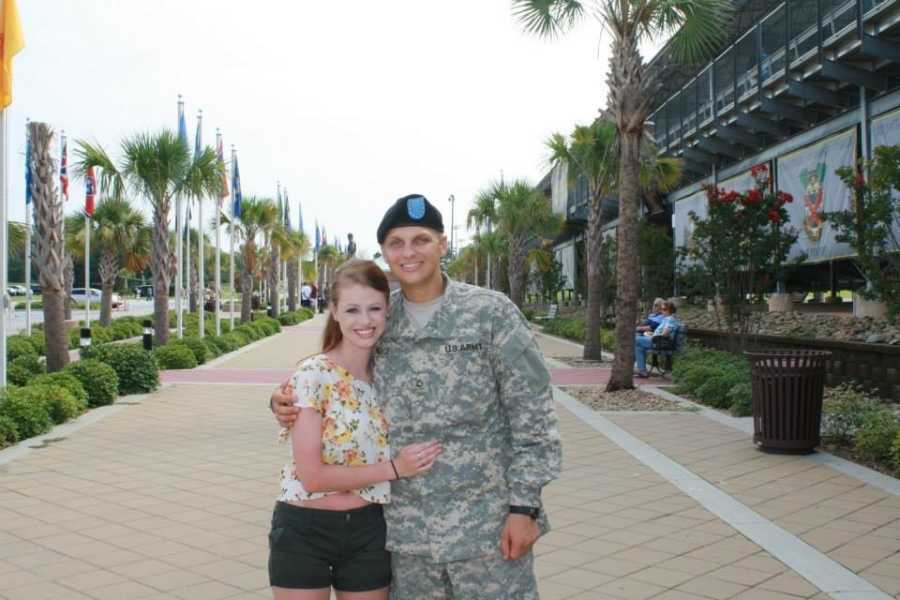
She stopped believing in the usual “this will be fine.” She learned that miscarriage doesn’t care how badly you love your baby. And even if you have had children before, that doesn’t guarantee anything. When she discovered she was pregnant again, she tried to protect herself. She barely told anyone. She jumped through precautions, vitamins, a cautious diet, and quiet optimism. She clung to the pregnancy as if protecting something fragile in a storm. She told herself, “Don’t dream yet. Don’t plan. Just wait for the heartbeat.”
She was terrified to hopeAt first, she felt cautious optimism. But during the first ultrasound, there was only a gestational sac, no fetal pole, no heartbeat, no sign of life. She froze. Her fear, disbelief, and pain all flooded in at once. She was told to come back for blood tests, to wait a few more days, and to give it time. Maybe the baby was just too early. But she already dreaded the worst. She paced the lines on the calendar like a prisoner waiting for a verdict. Every pregnant woman in the waiting room became a mirror for her grief, every announcement of joy stabbed at her hope.
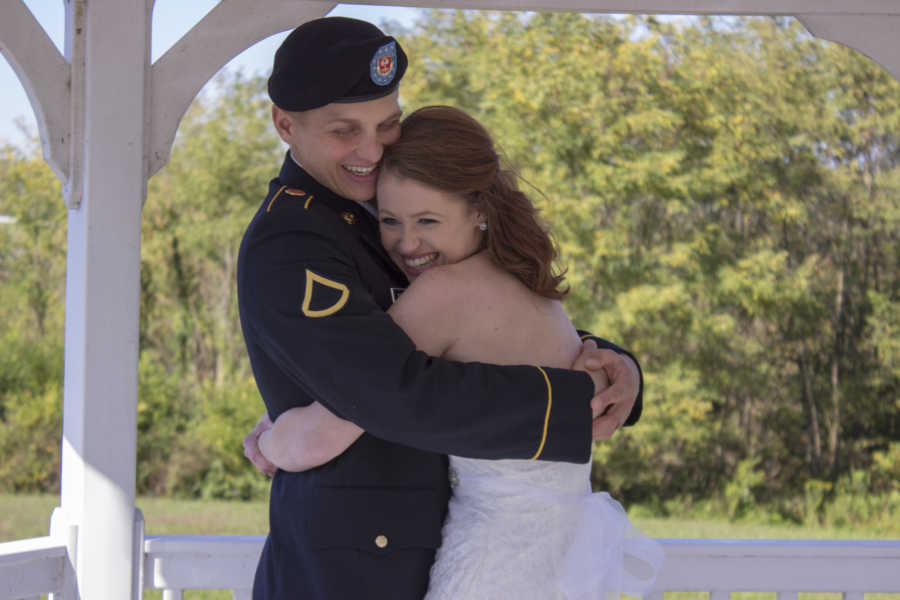
She felt resentful, bitter, not at those women, but at how life seemed so easy for them, and so cruel to her. She loved her husband and her children, but inside, she was crumbling. She wondered: Why me? Why is my body betraying me? Did I do something wrongAfter weeks of heavy anxiety, painful uncertainty, and desperate hoping, the truth became clear: this baby was gone. Her baby had stopped growing. There was no heartbeat. She carried the dead baby inside her for what felt like forever, a month of emptiness, waiting, horror. She described it later as feeling trapped in a body that betrayed her. She felt disgusted, ashamed, utterly broken.
She couldn’t stay that way. Her mental health was crumbling. The pain and shock were threatening to destroy her. So she made the choice: she underwent a D&C to end the pregnancy and release the weight she was carrying. Some may call it a medical procedure, but for her, it was a final farewell to a tiny life that never got to be.
Recovery was slow. On the outside, people might have seen her as “okay.” She had two healthy children already. But inside, inside, she held grief, guilt, anger, and a deep fear she might never try again. She questioned everything. Her body felt hostile, unreliable. The idea of carrying a baby again seemed terrifying. She worried she might not survive another loss. Yet through the darkness, she found one truth: loss like this is not a number. It’s not something to compare. Whether it’s one miscarriage or many, each one matters. Each loss leaves a wound. And every mother’s grief is valid. She learned that when people say “at least you have two healthy kids” or “you can always try again,” they often don’t understand because nothing “at least” or “again” can erase what was lost. She began to speak out.
Not for sympathy, but so others like her would know they are not alone. She reminded herself and other women that it’s okay to mourn, to cry, to not be “over it.” She forgave the friends who didn’t reach out, the well-intended but hurtful words people sometimes say. She forgave herself for still hoping, still hurting, still longing. Because grief doesn’t belong in a time box. Today, she continues to love her lost babies. She cherishes her living children. She moves forward, day by day, giving herself space to heal mentally, emotionally, and physically.
She doesn’t know what the future holds. Maybe more pregnancies, maybe healing, maybe more loss. But she knows this: her pain is real. Her loss matters. Her story deserves to be heard.She ends with a simple message for anyone who reads: “You are not alone.” You are allowed to feel, to grieve, to hope, even if your heart is broken. Even if the world has not given you answers. Because love does not vanish. And remembering is never a mistake.